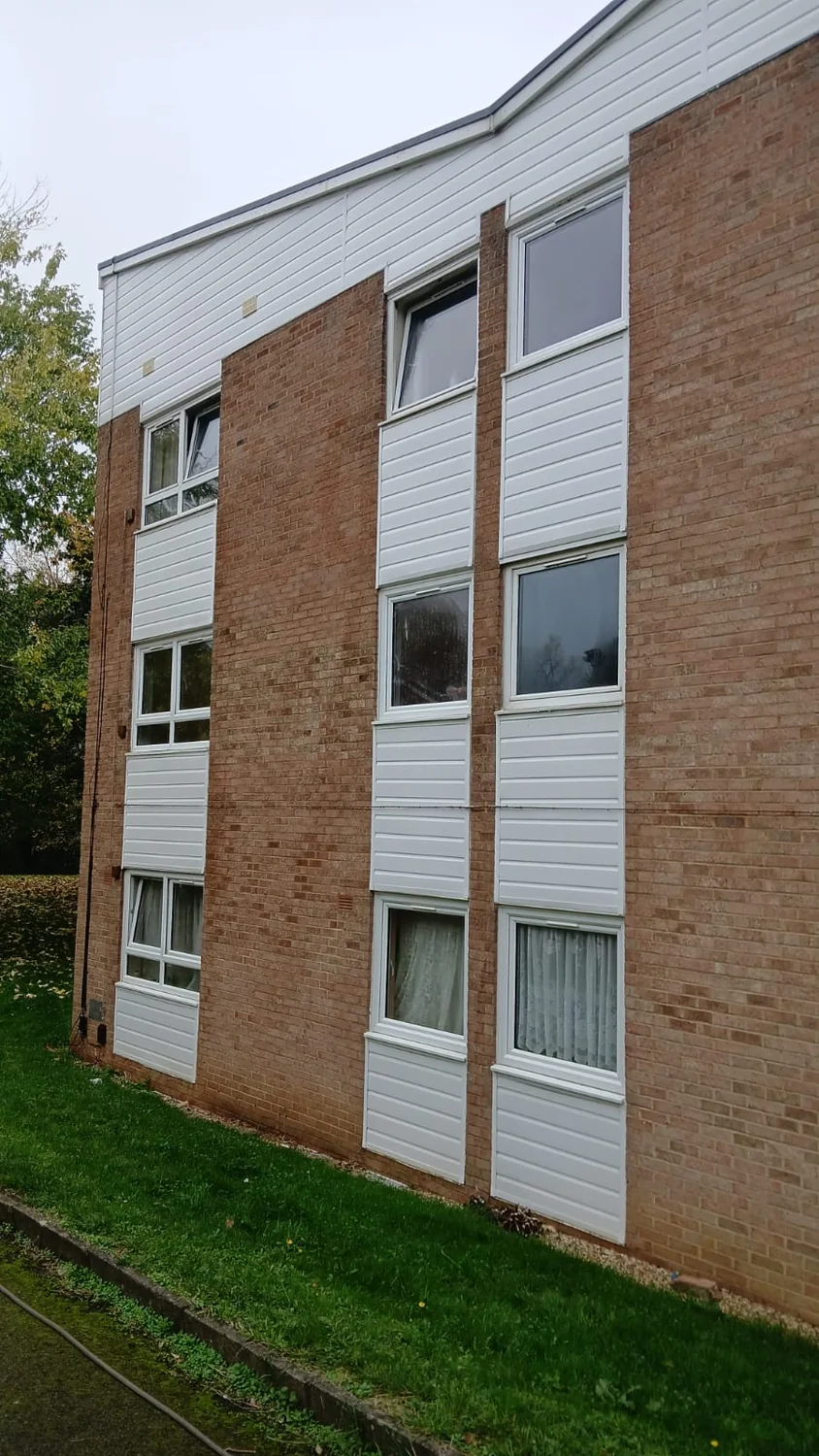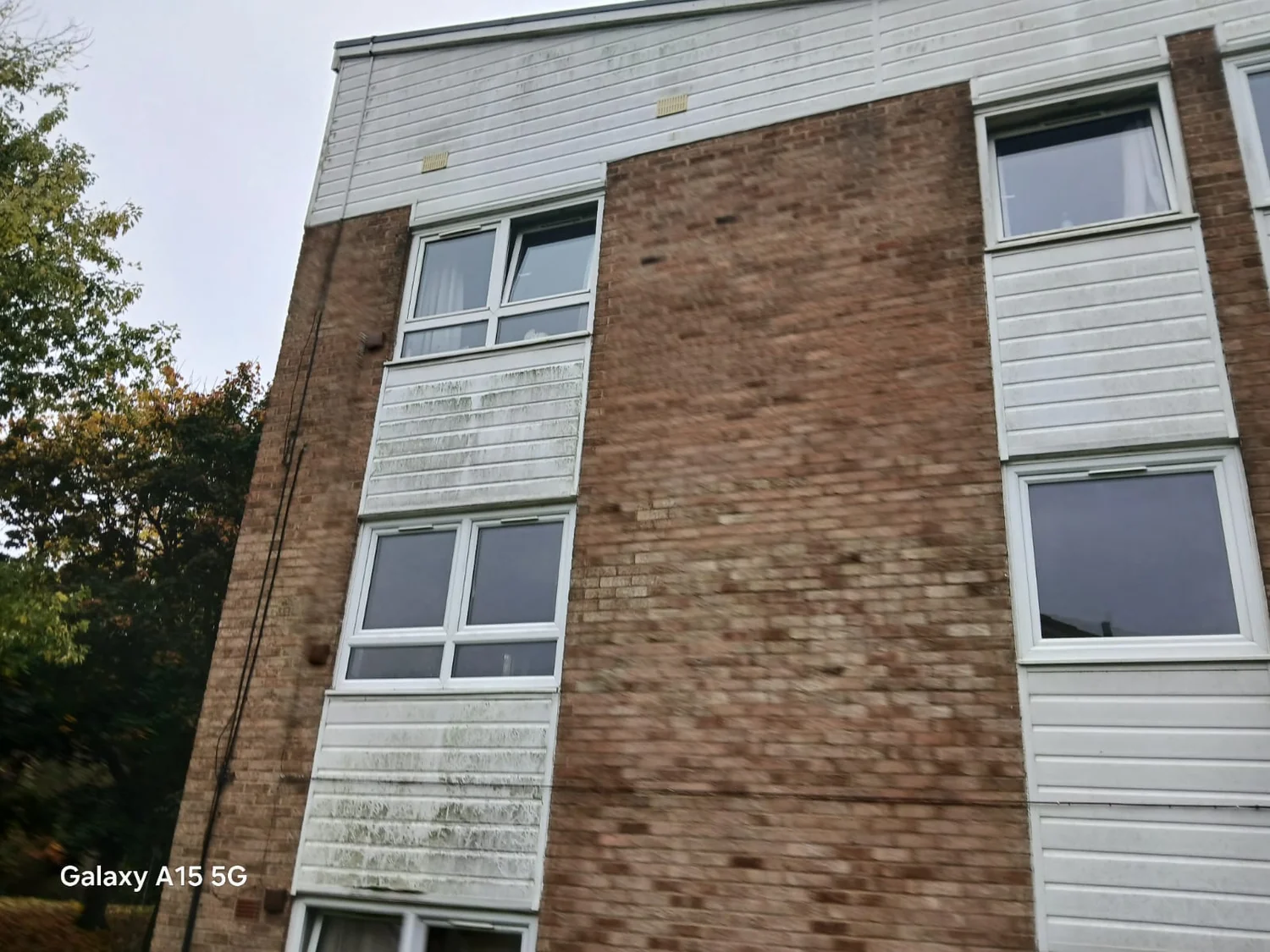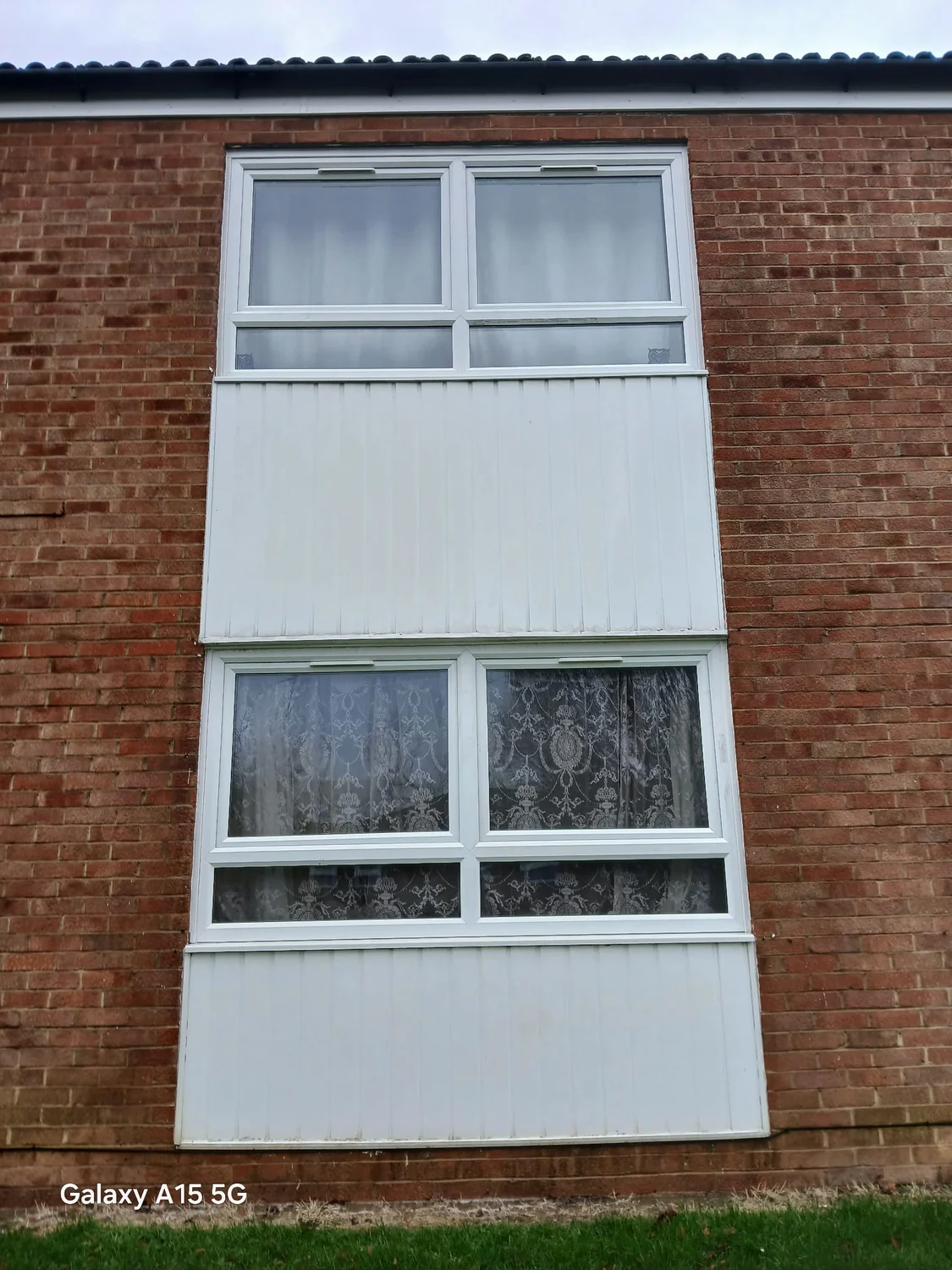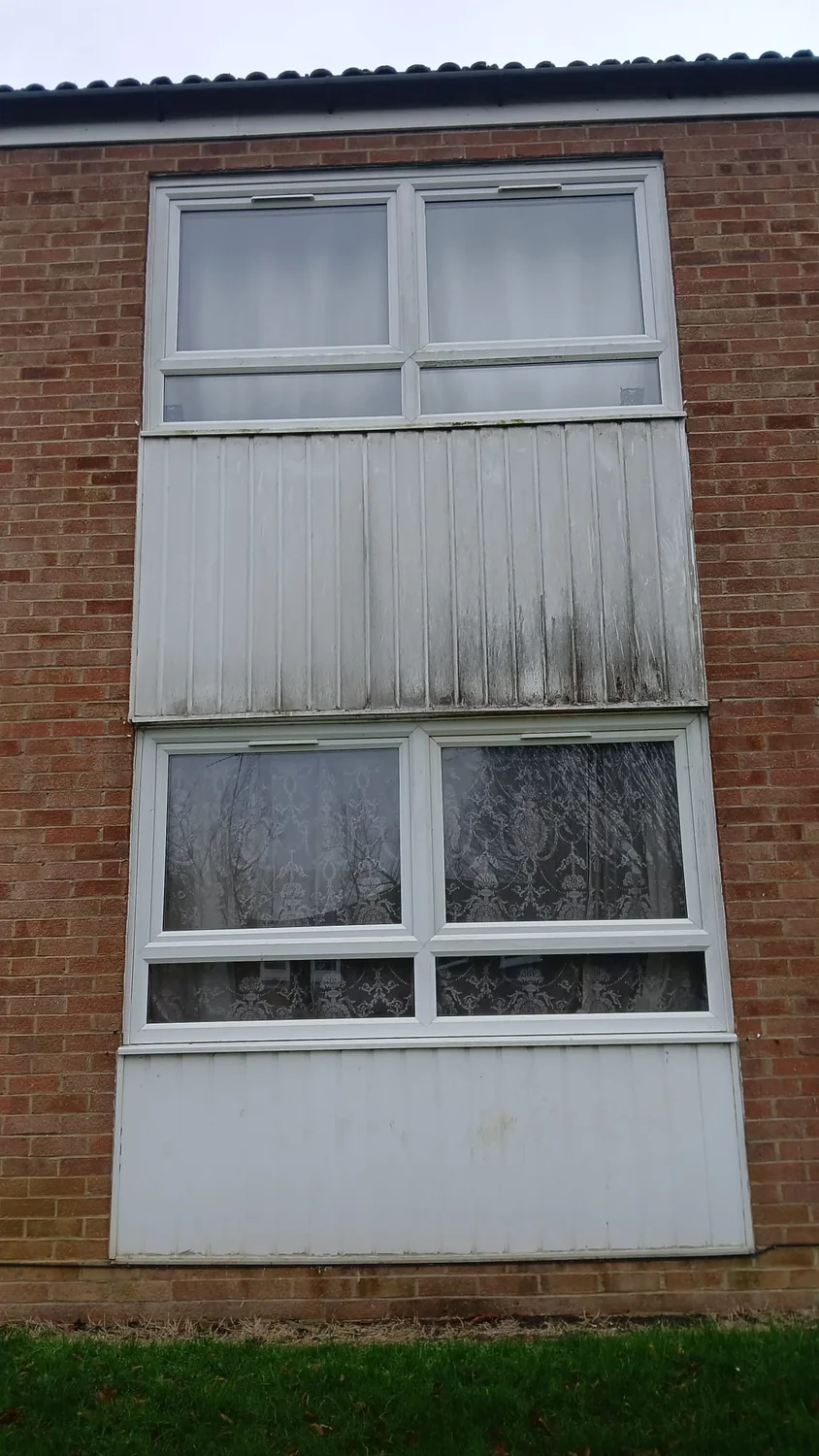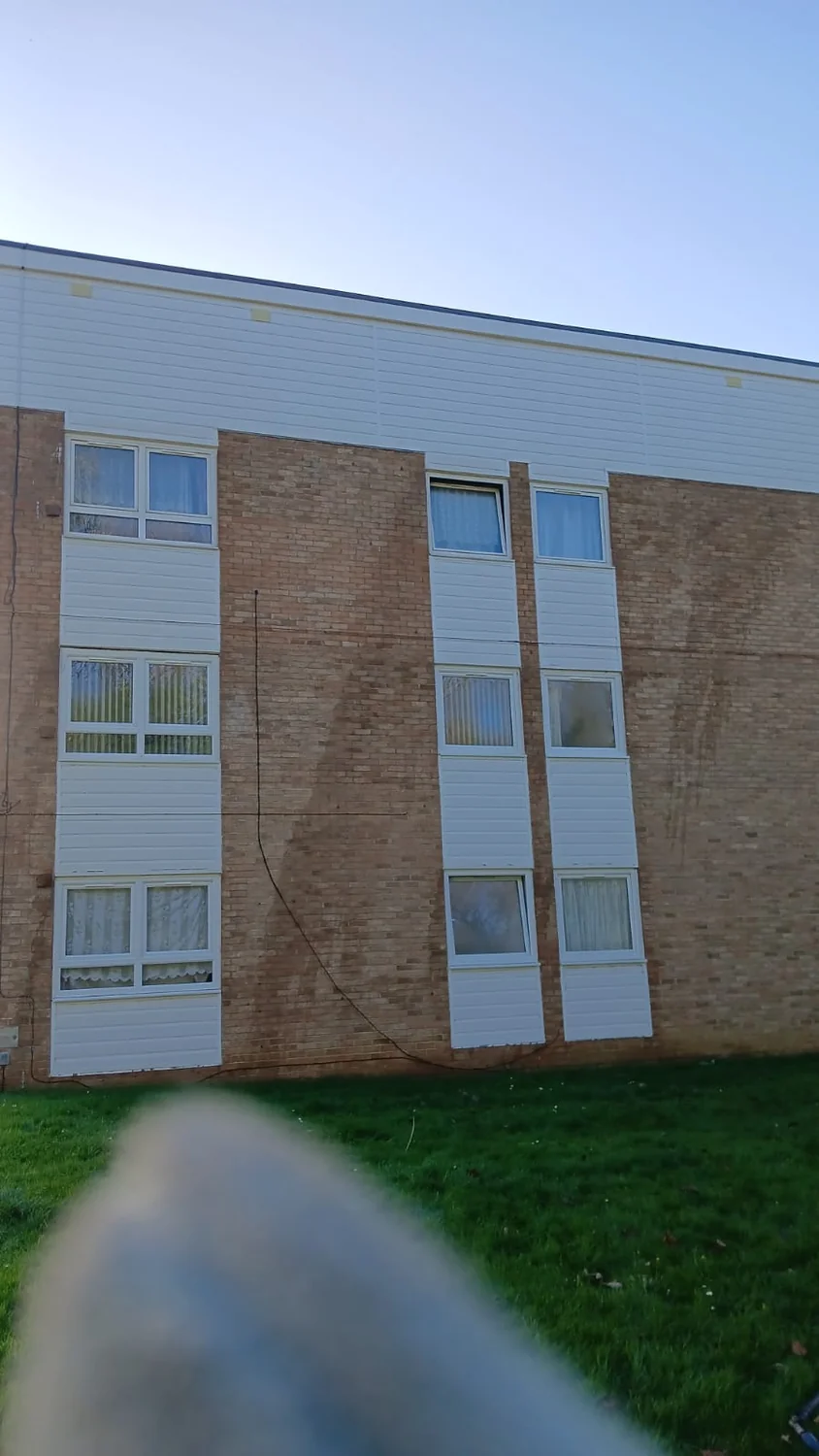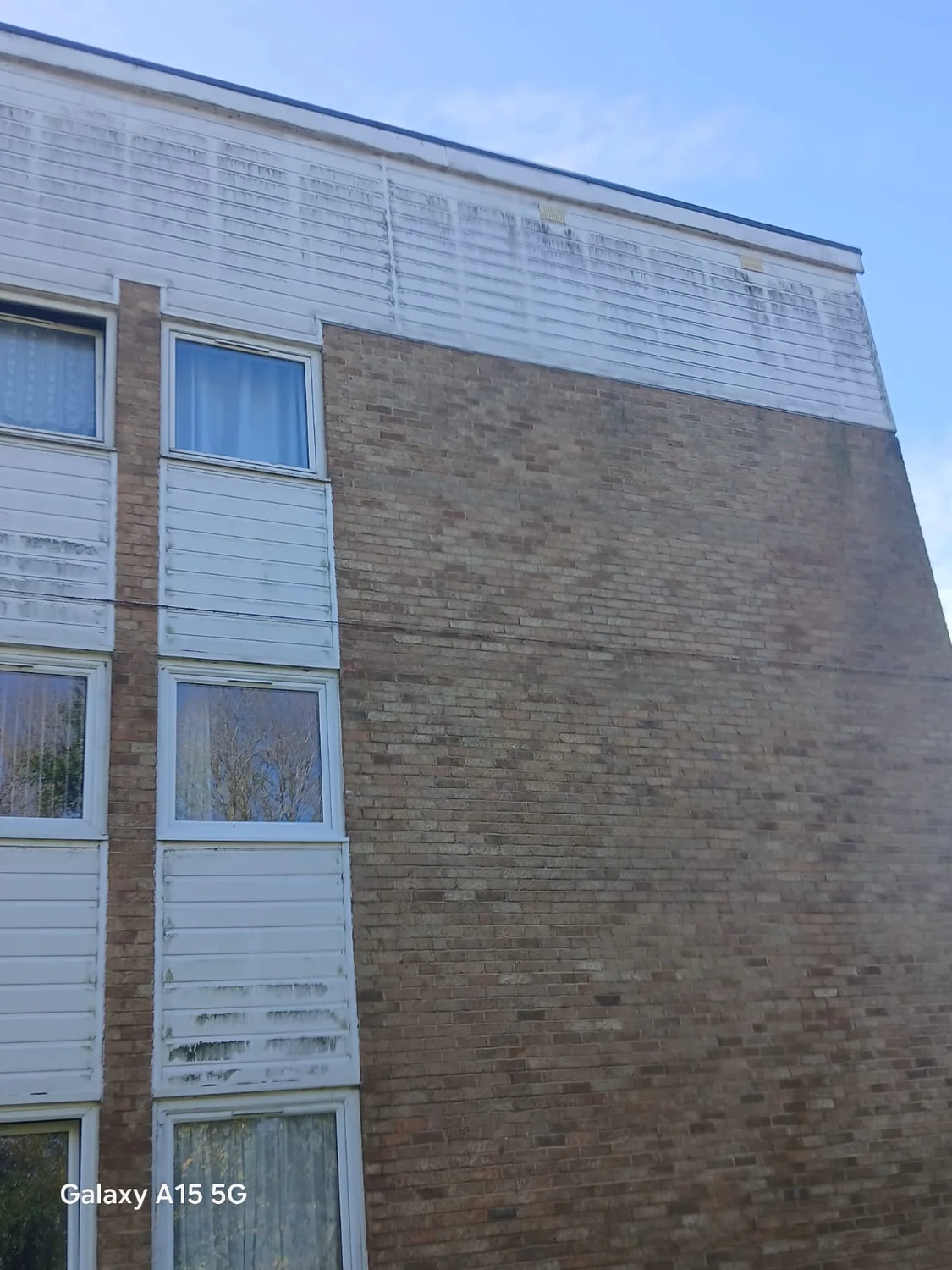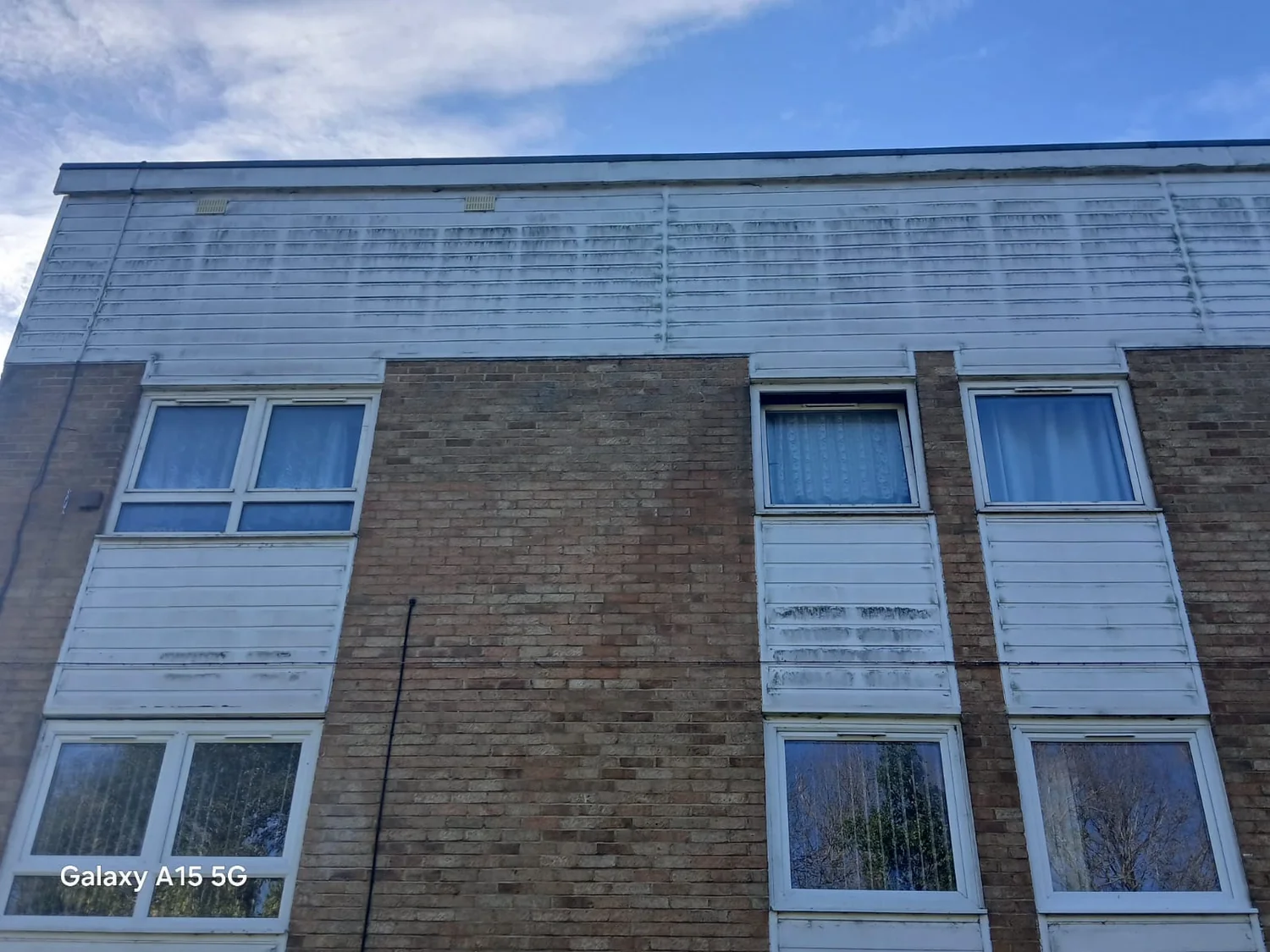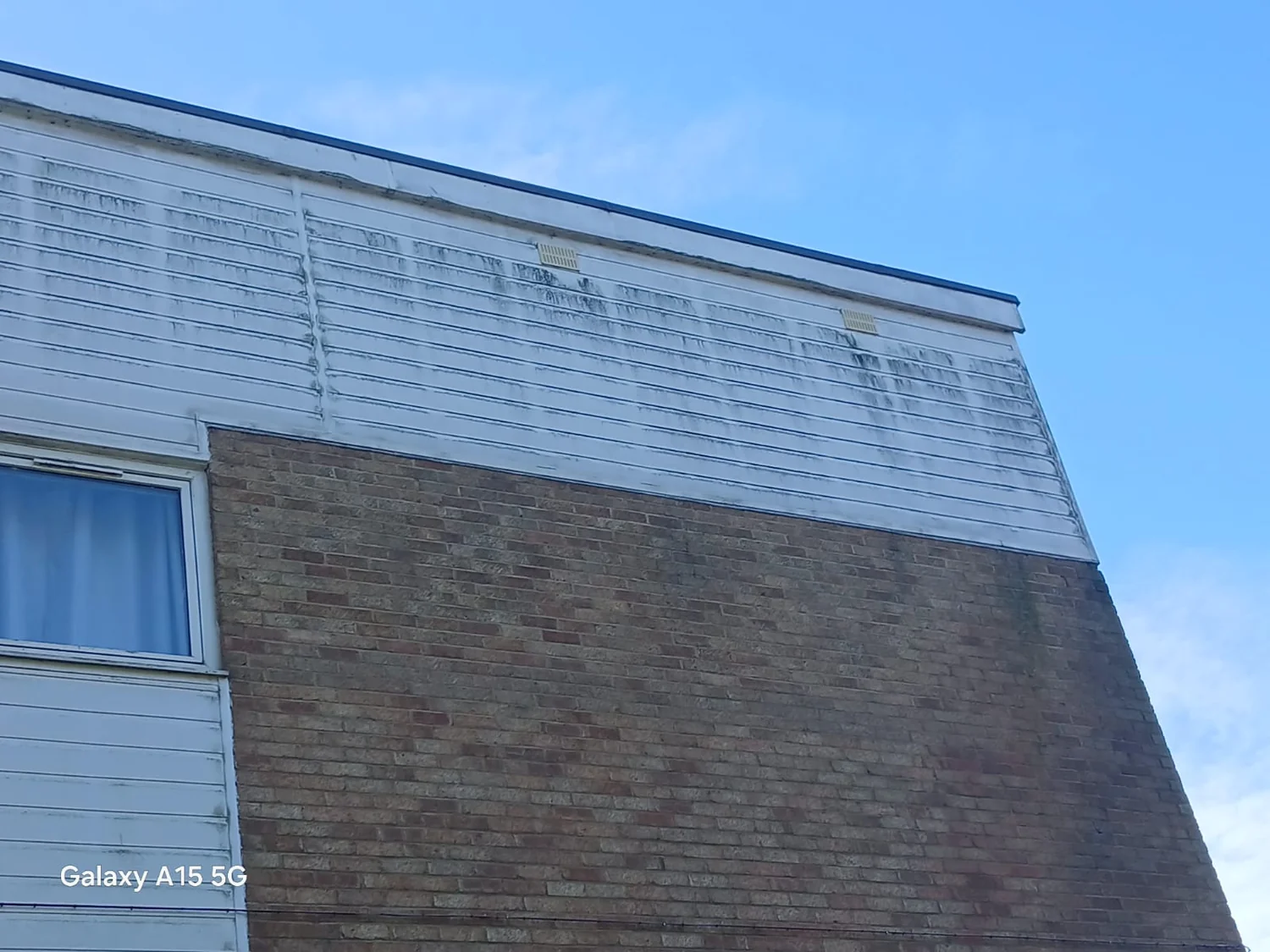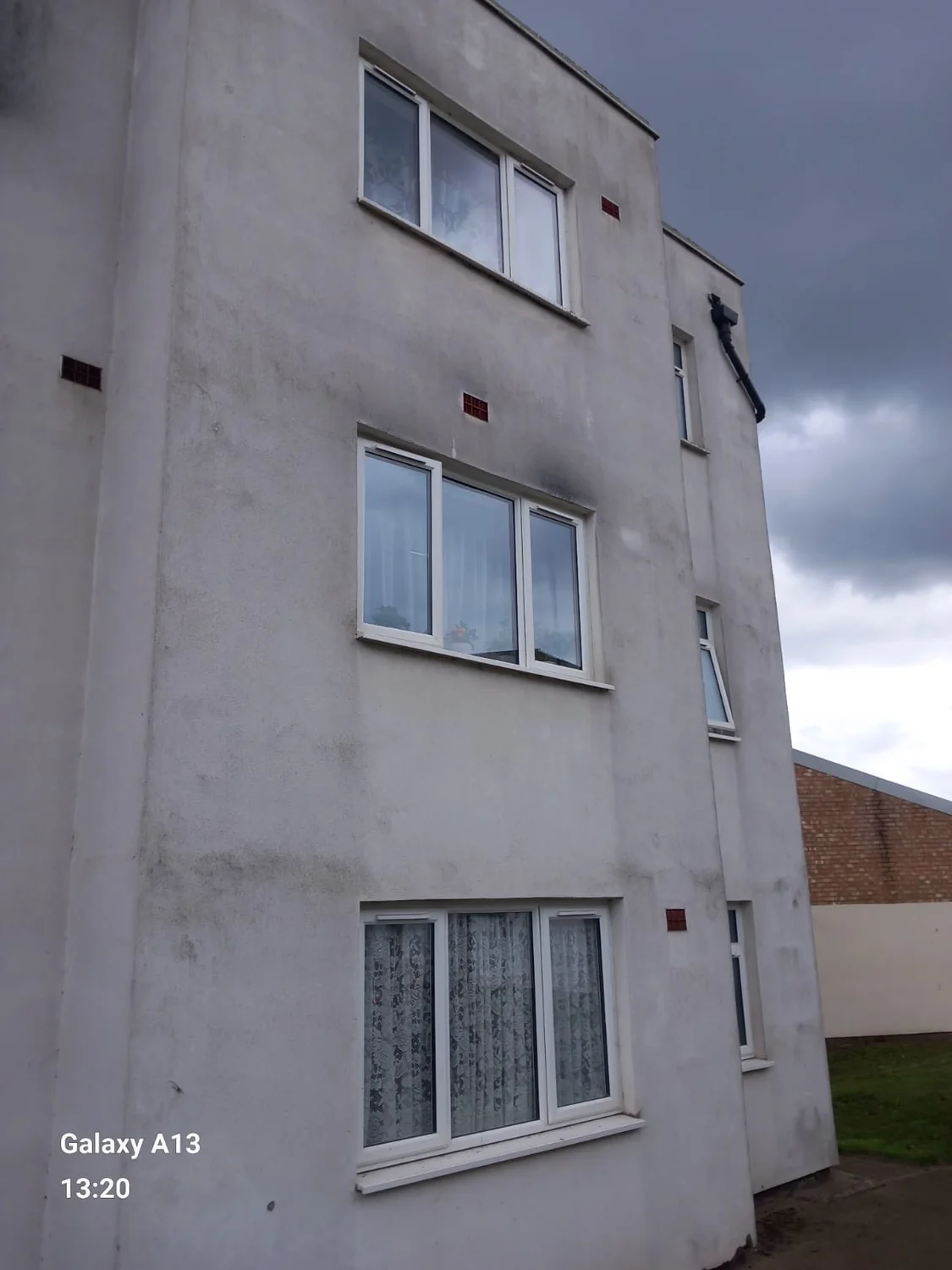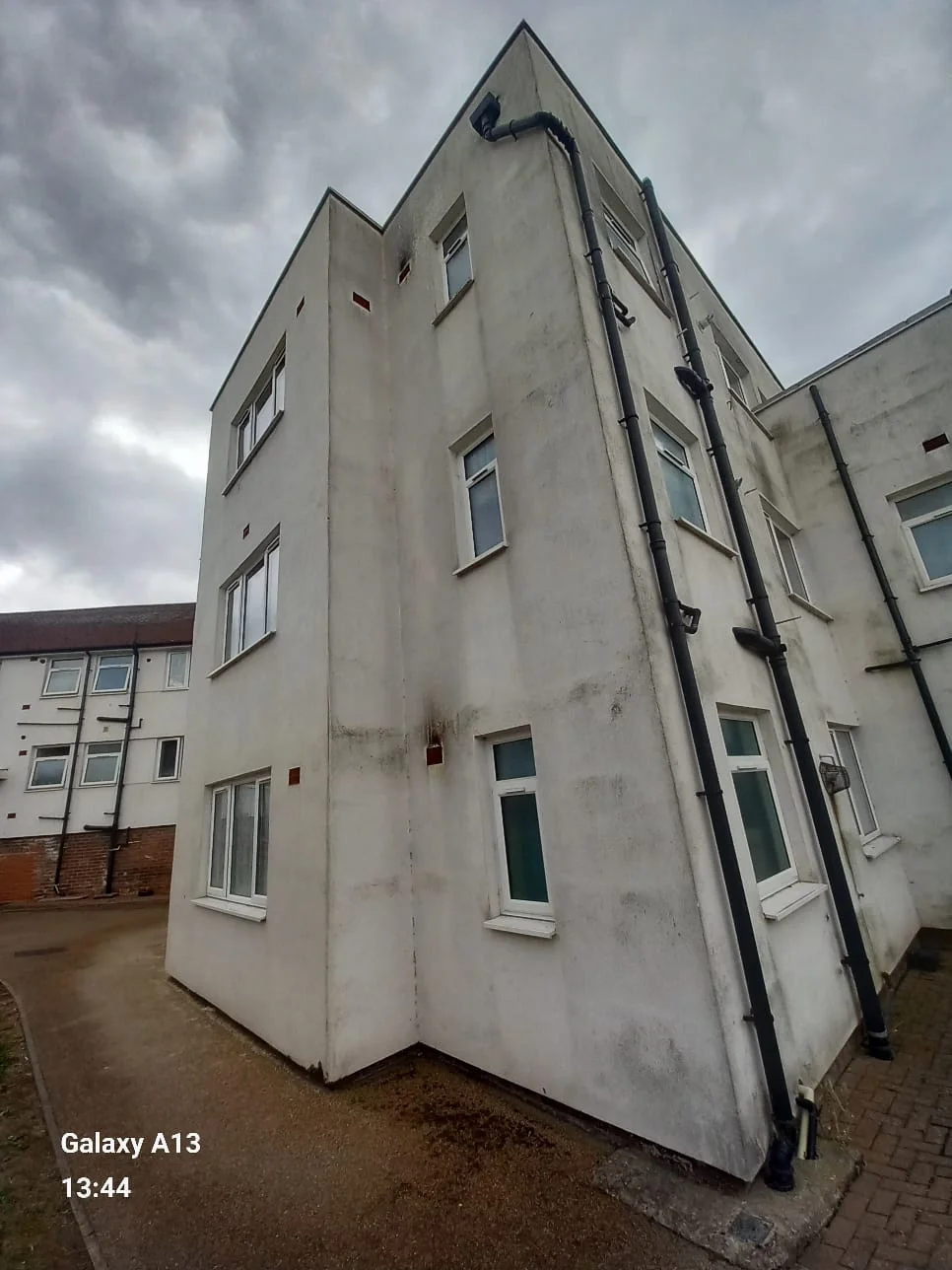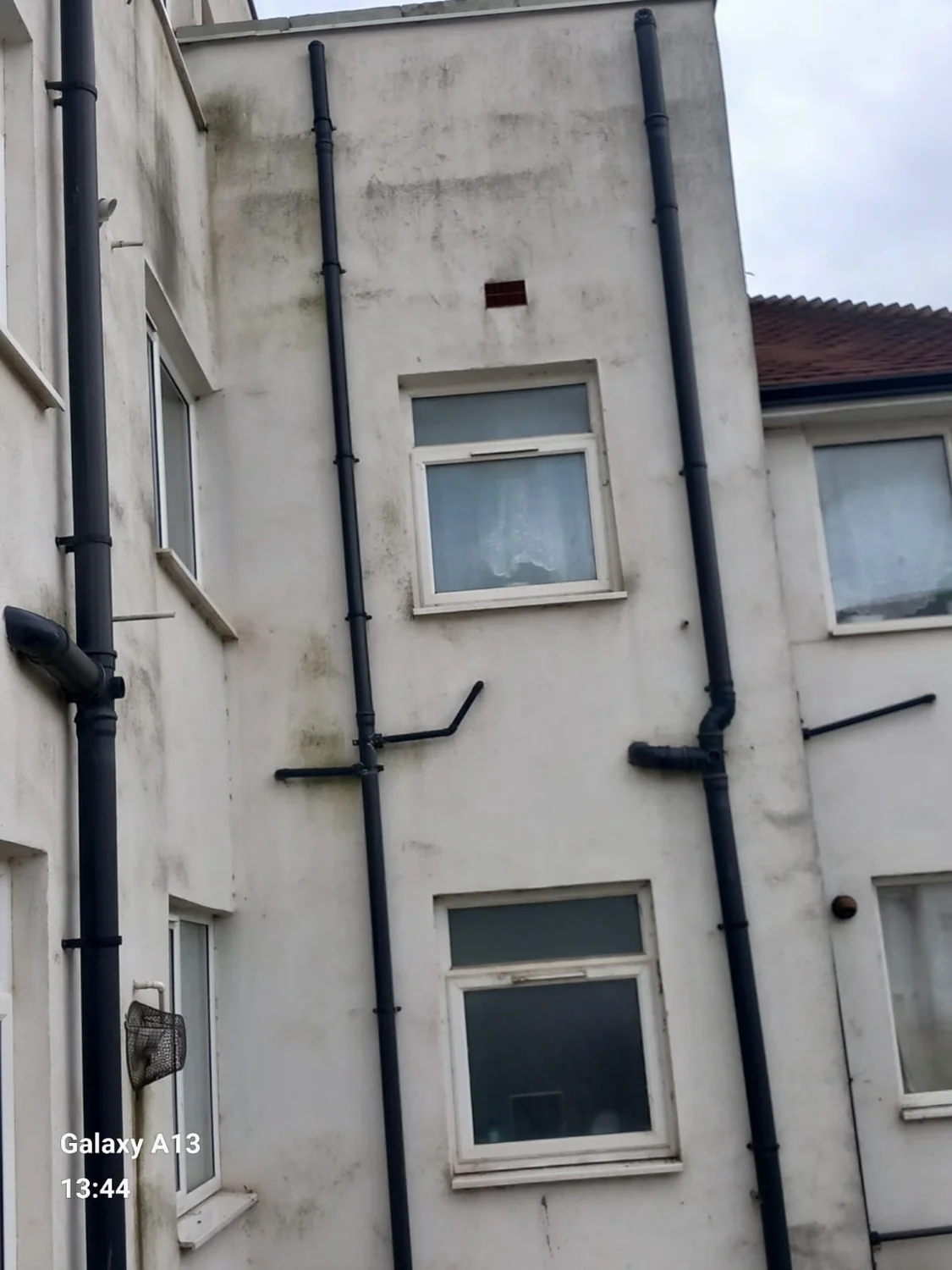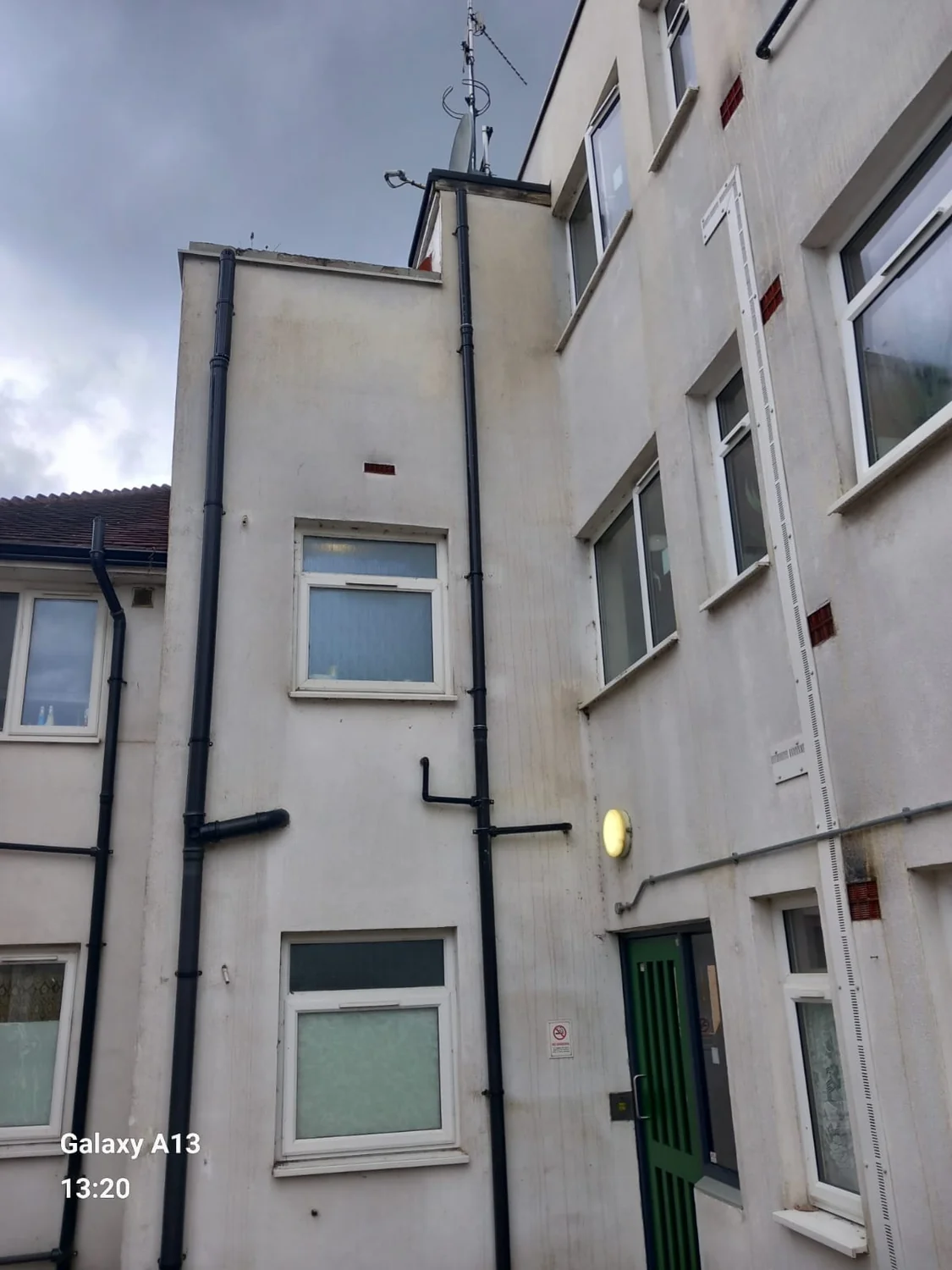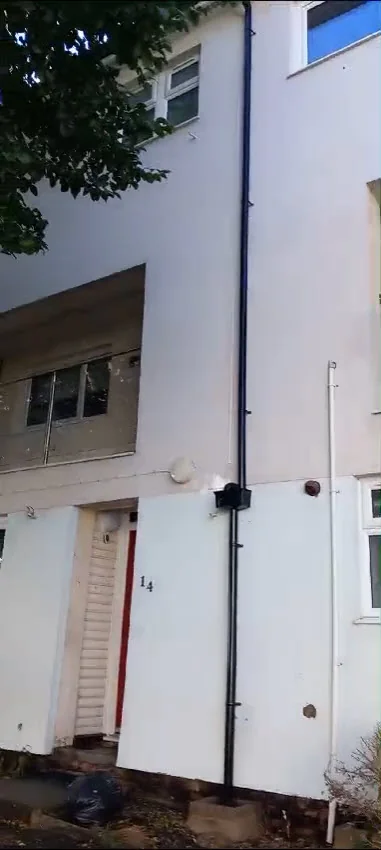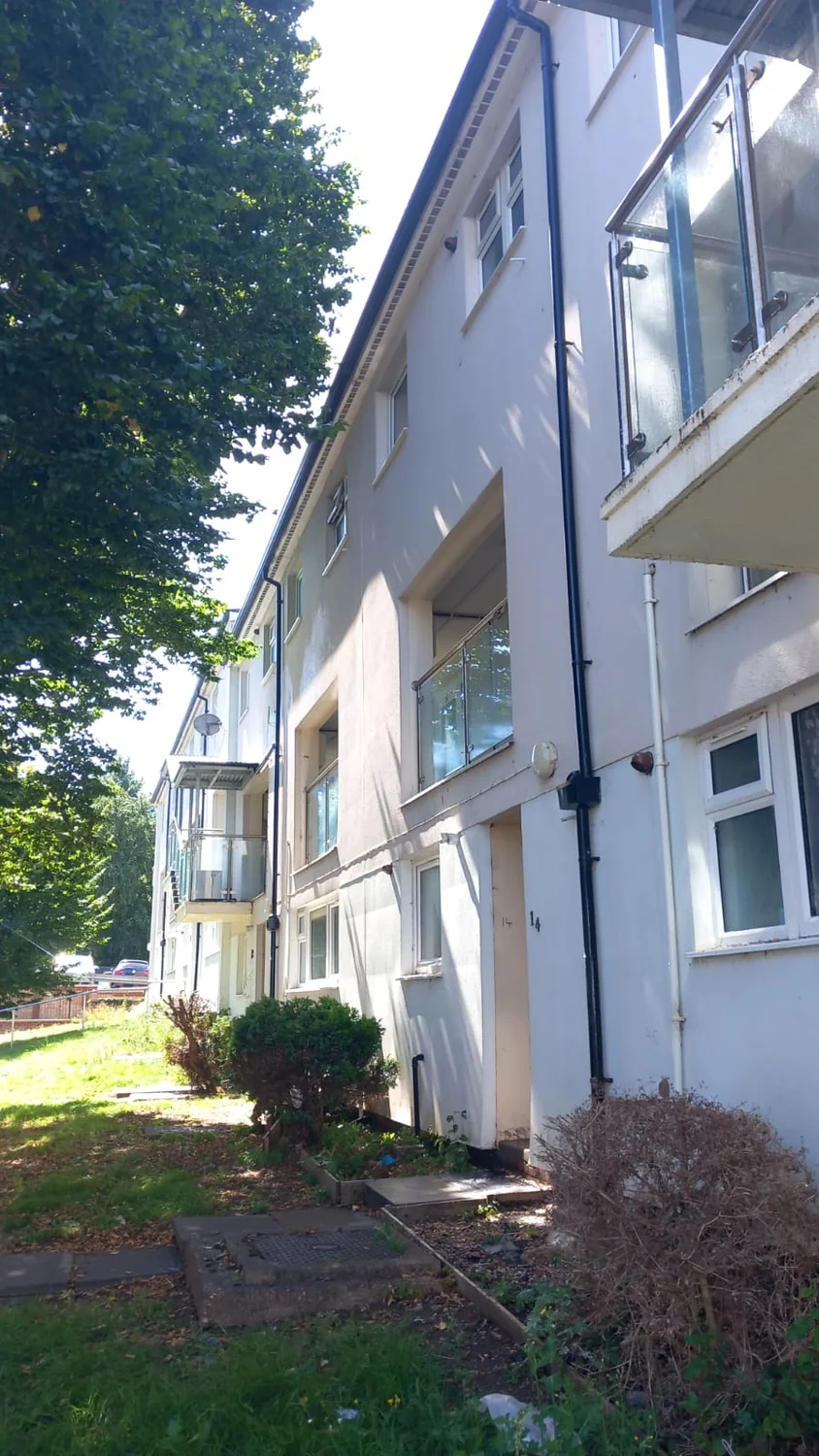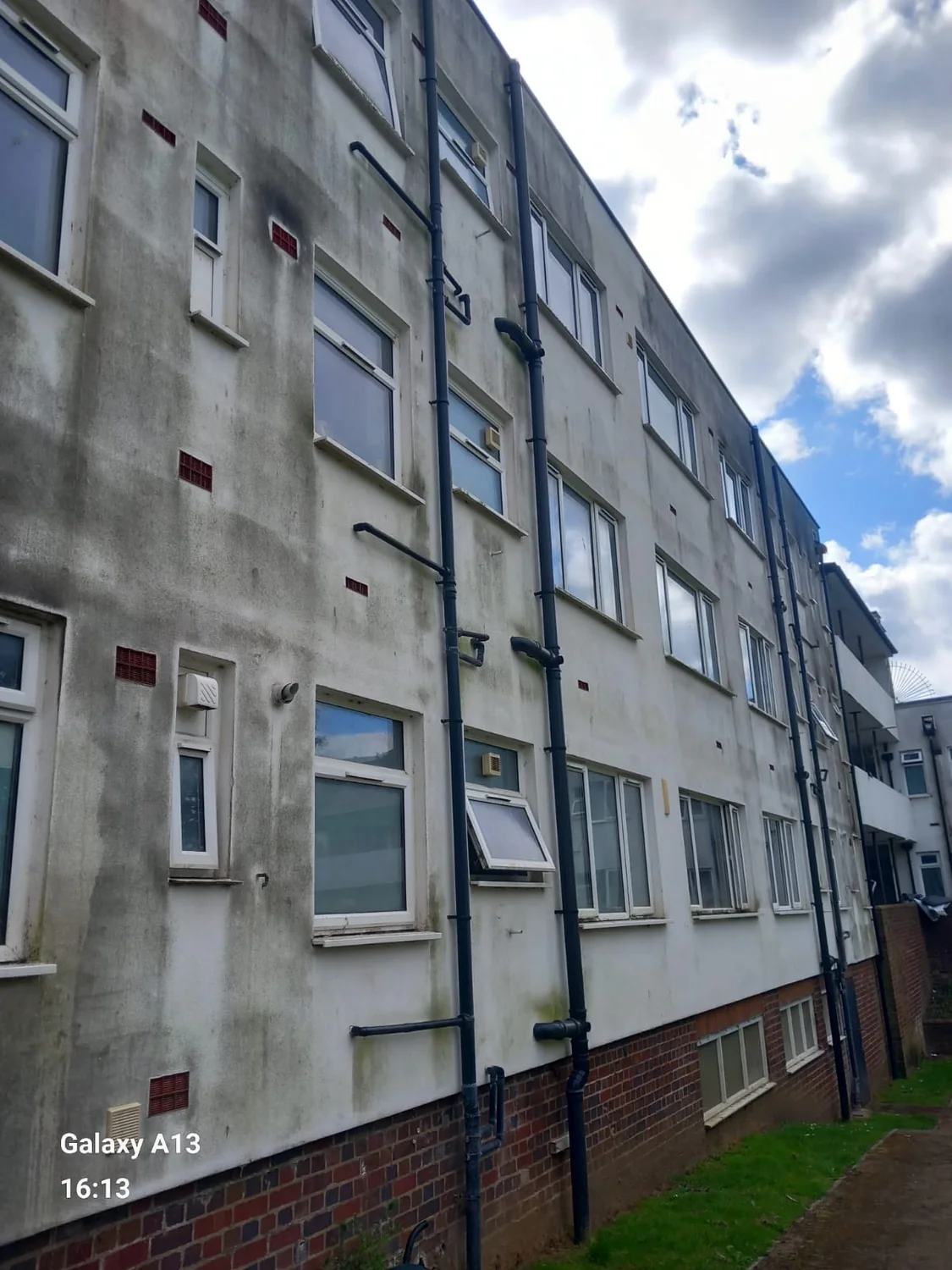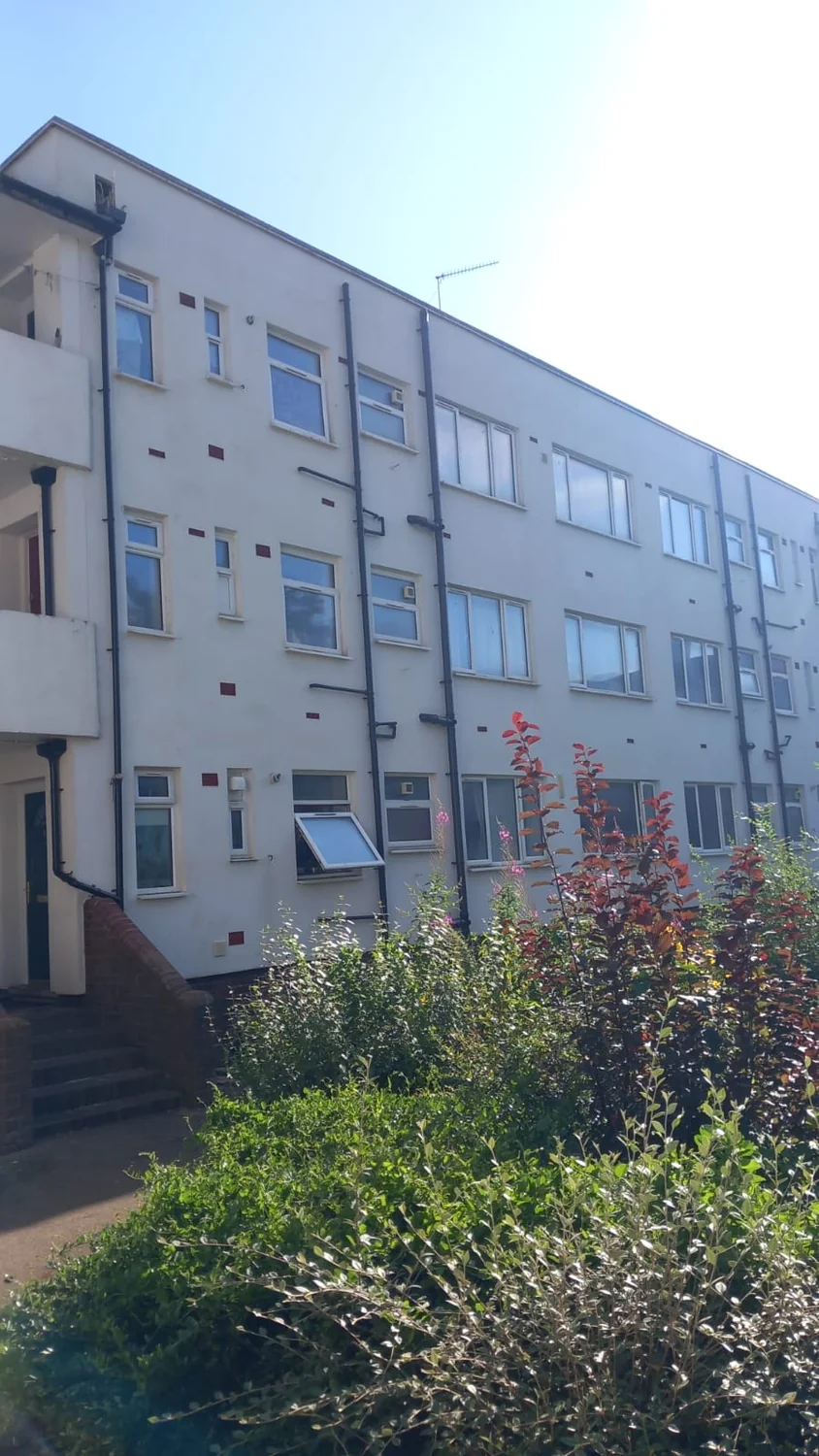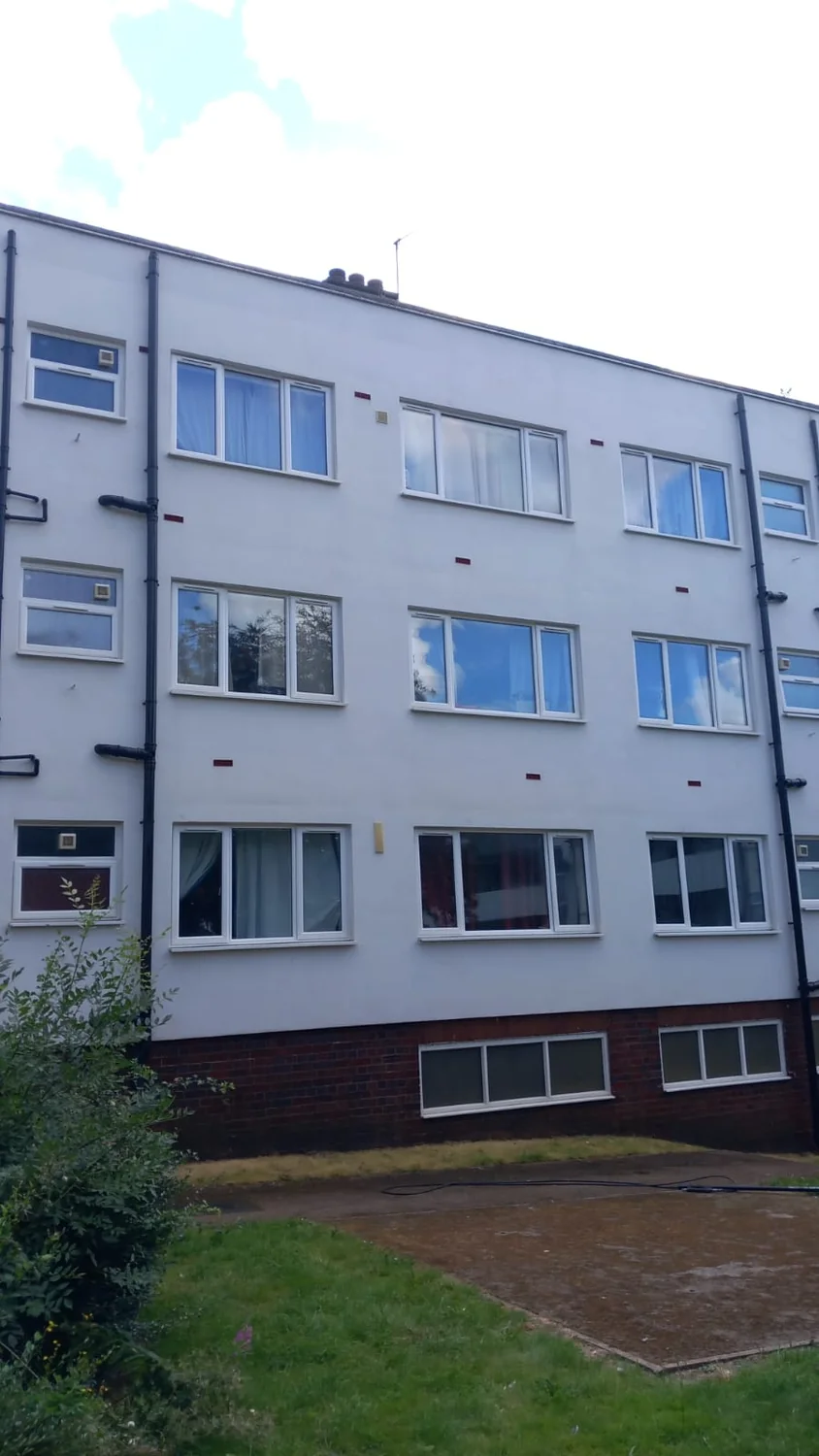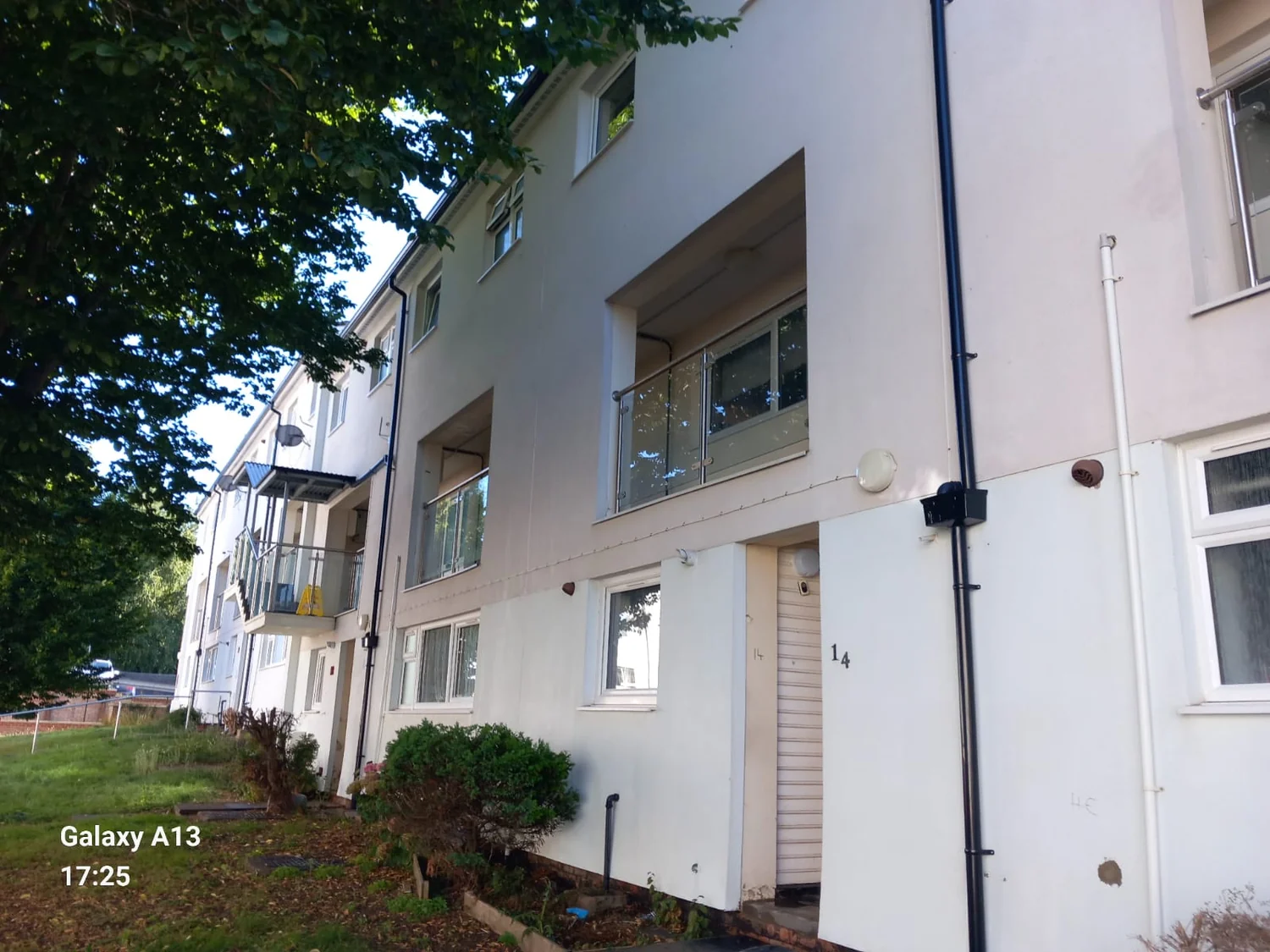
Across 2024–2025, we completed a series of commercial render cleaning jobs for Northampton City Council across multiple residential buildings around Northampton. The goal was straightforward: remove heavy organic staining and weathering so façades looked cleaner, brighter, and more consistent—without creating disruption for residents.
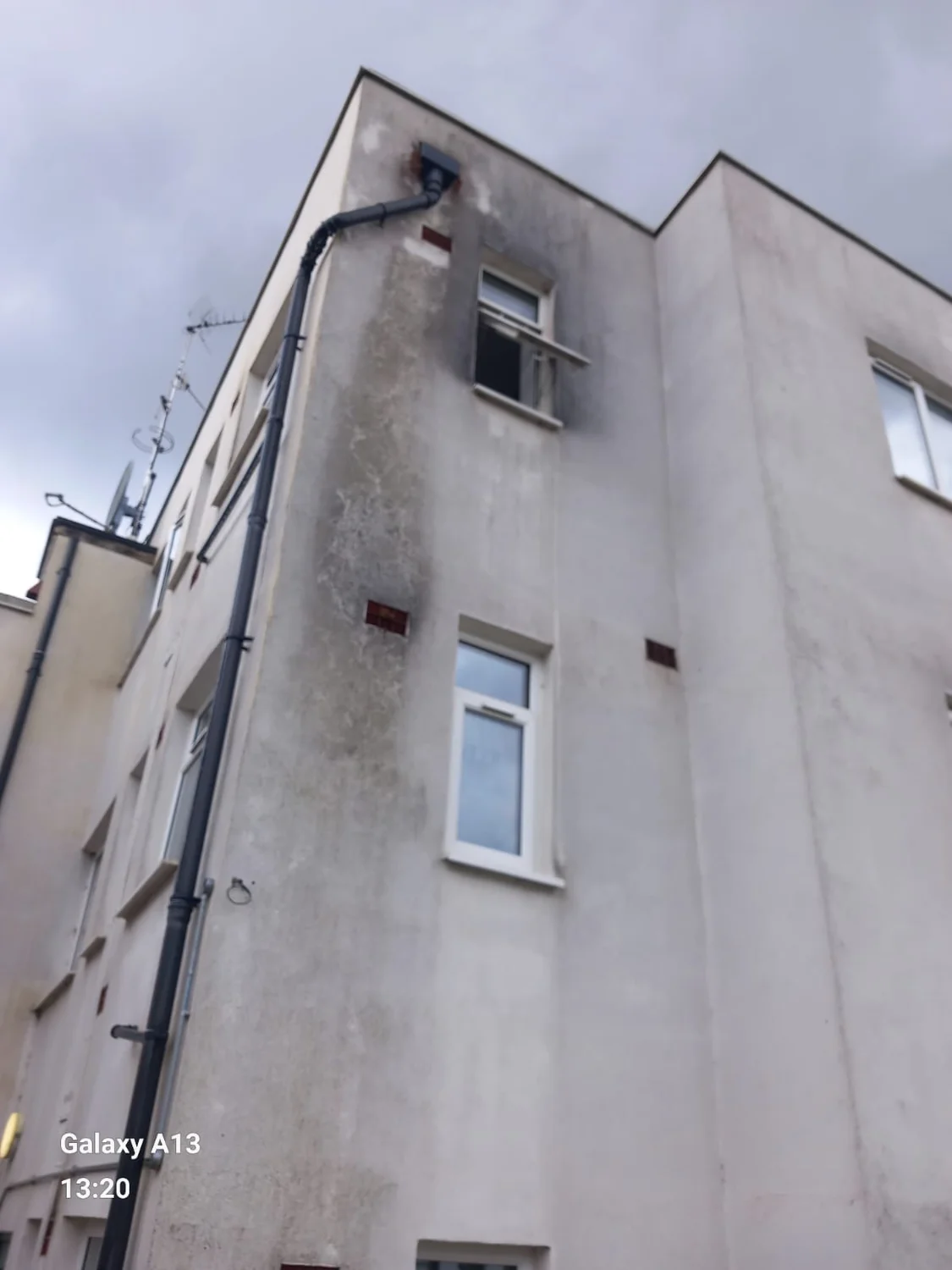
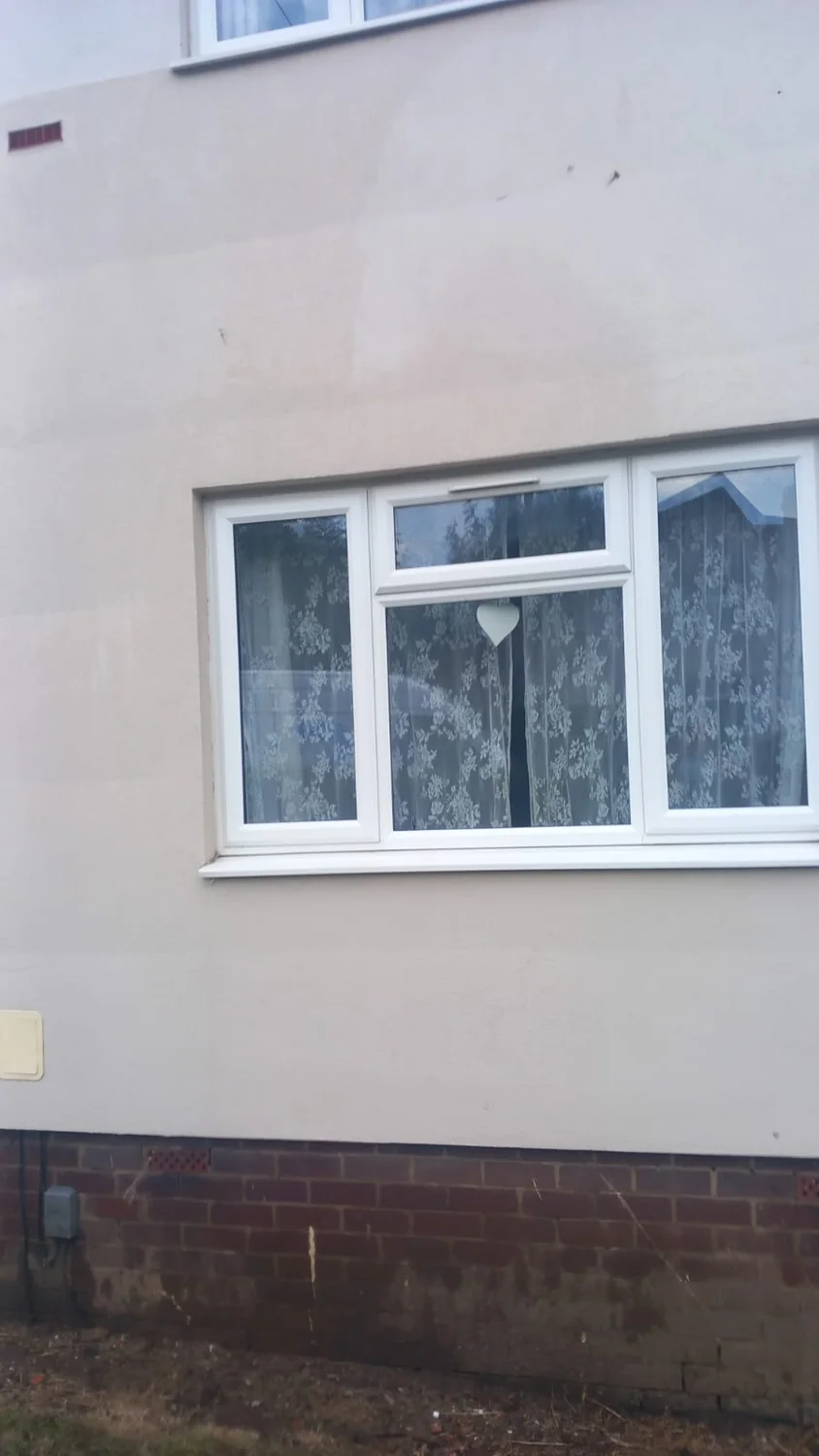
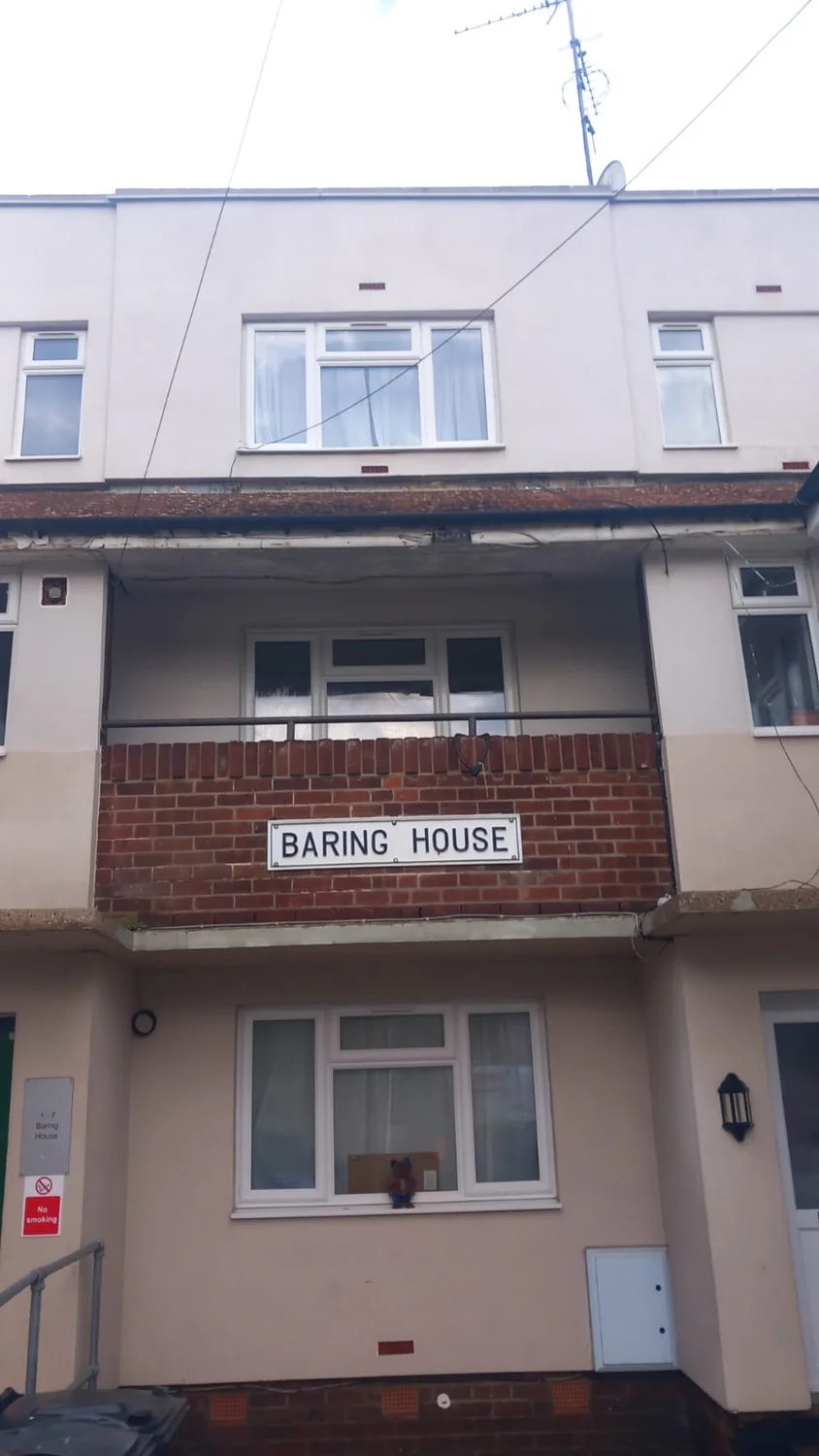
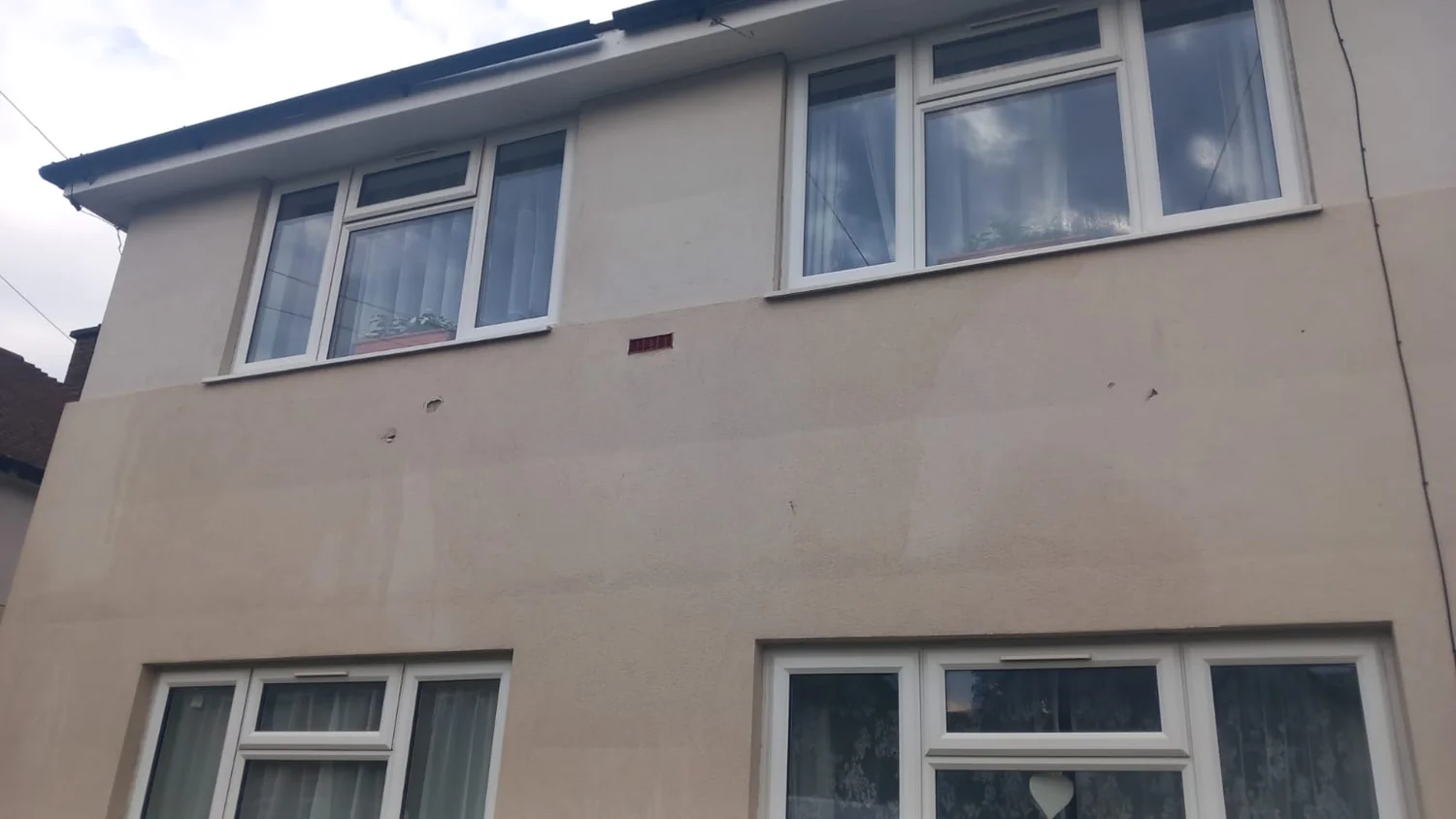
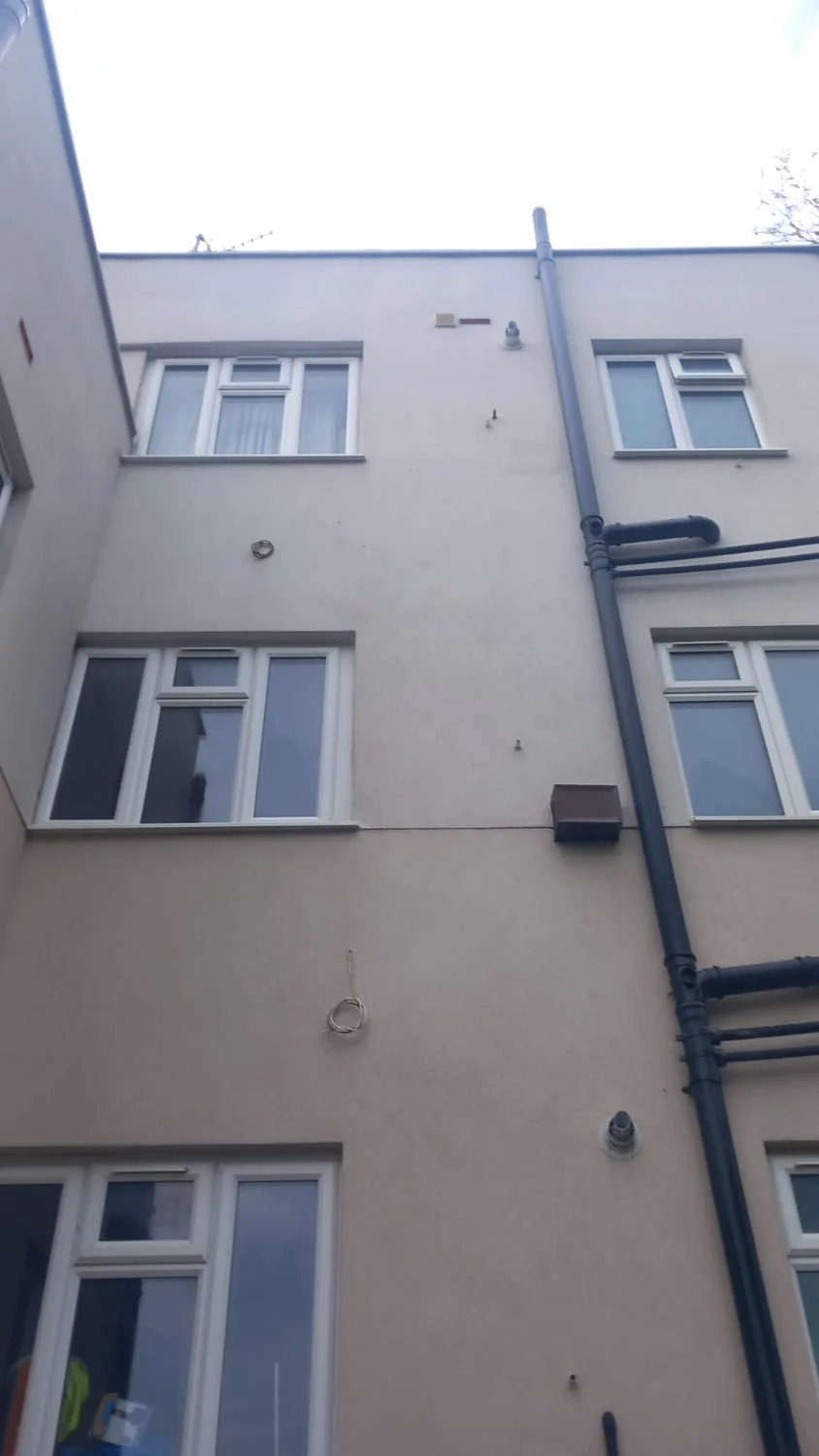
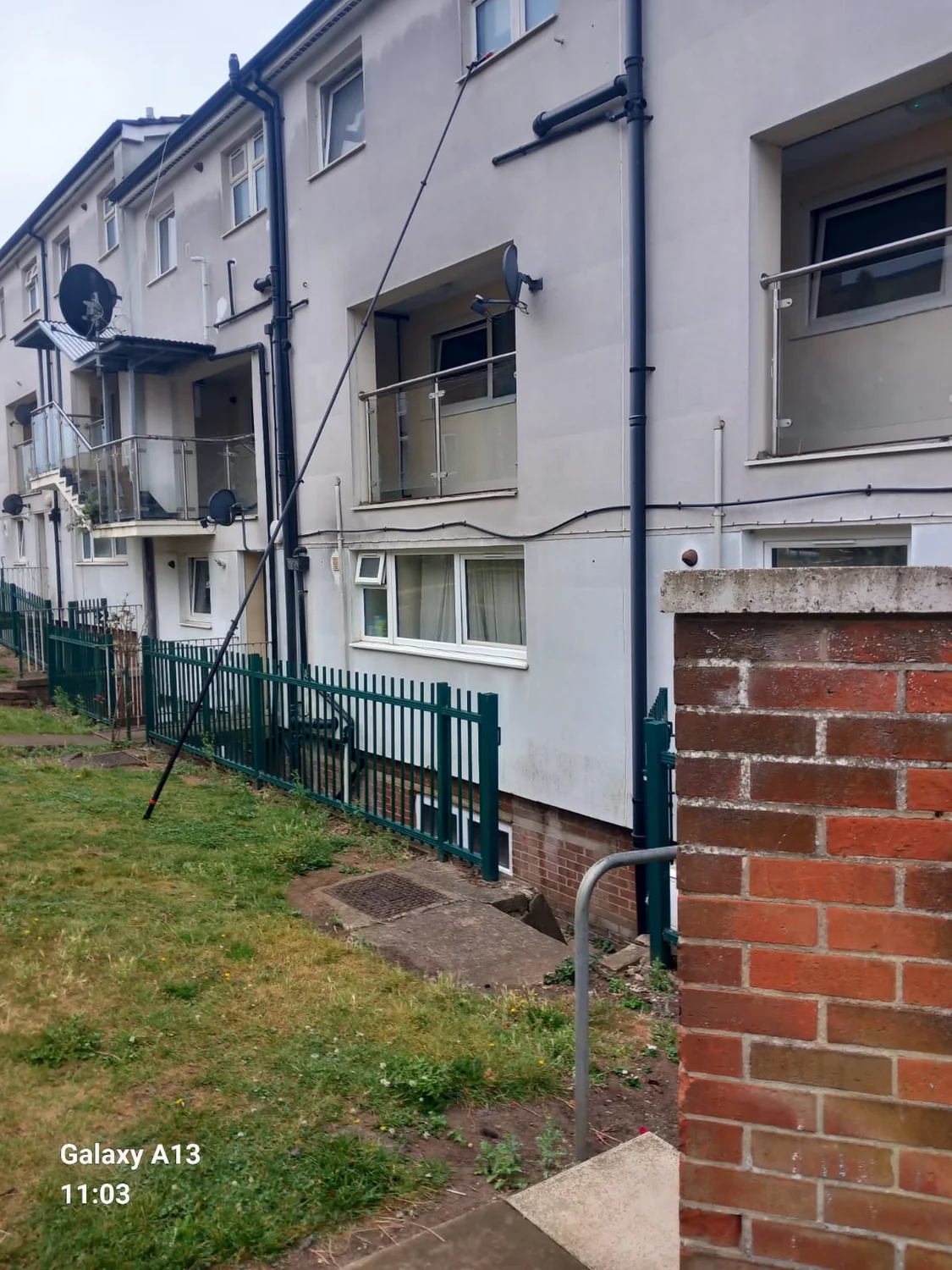
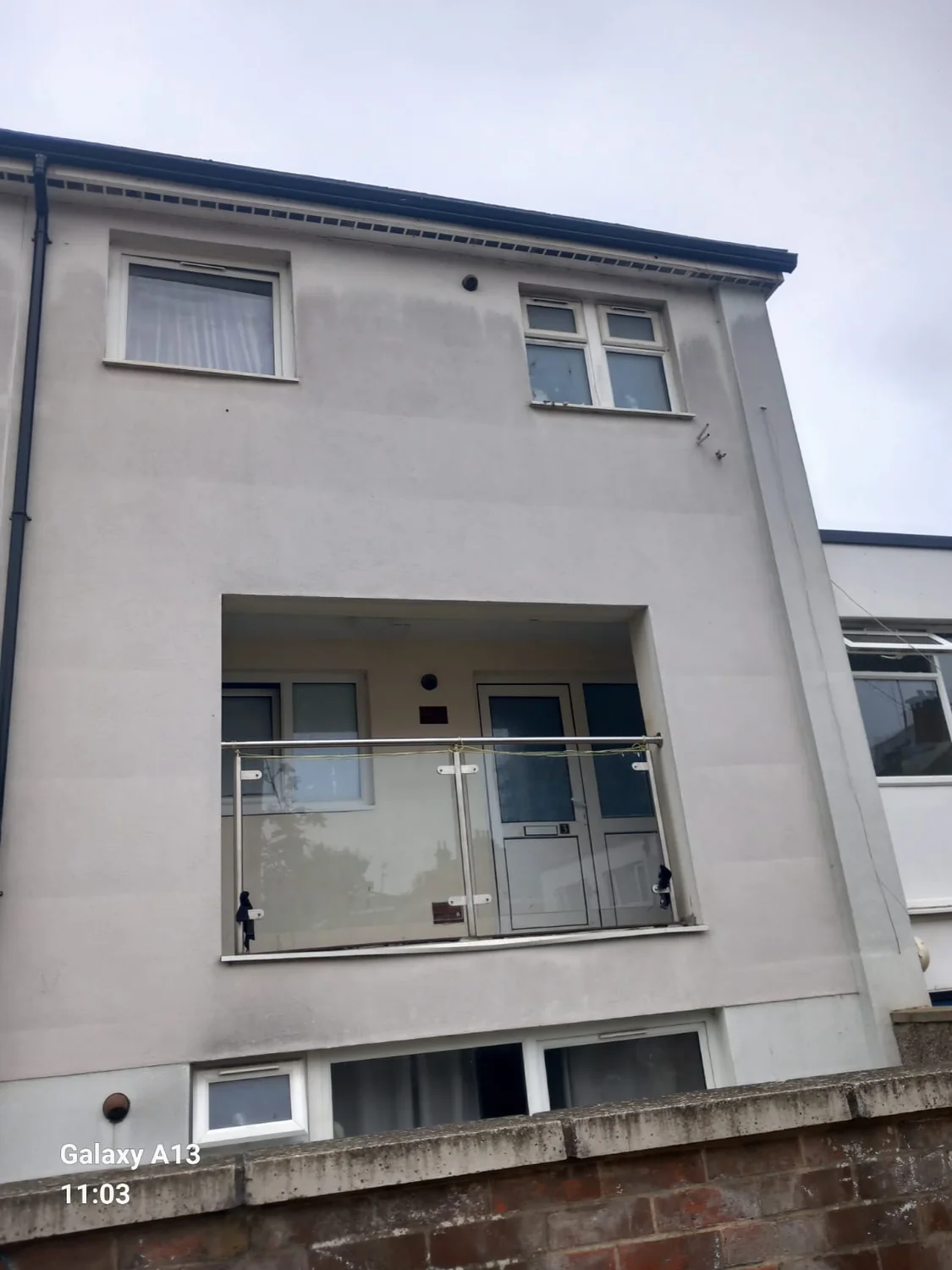
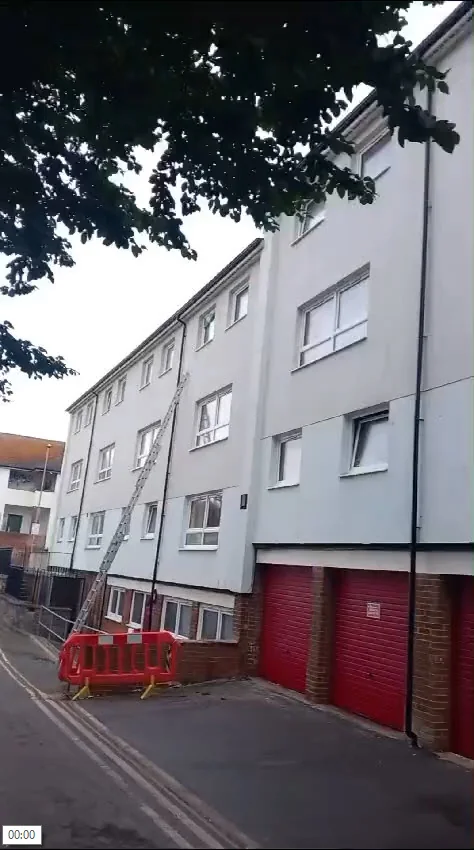
The images show typical issues we’re called out for on multi-storey blocks: green/black algae streaking, concentrated beneath rooflines, around window bays, and down elevations near rainwater pipe runs. Once cleaned, the same buildings present a much more uniform, cared-for appearance across both street-facing and courtyard-facing elevations.
From the site photos, the scope typically included:
Many of these blocks sit near trees/green space, which increases shade and moisture retention—ideal conditions for organic regrowth if left unmanaged.
Council and housing stock has a few consistent realities:
We assess the surface type (render vs panel) and the soiling pattern, then select a safe cleaning approach designed for uniform results on large façades.
Where organic growth is the driver (algae/green staining), the workflow is structured around controlled application + dwell time + rinse, rather than aggressive blasting that can damage finishes or force water behind panels.
We work methodically to avoid streaking and missed sections—especially around window bays, junction lines, and pipework, where grime and runoff staining are most visible.
The job isn’t “done” when it’s wet. We check for consistency across the elevation once surfaces settle, so the finish looks even from ground level—how residents and visitors actually see it.
Across the programme, façades moved from heavily streaked and weathered to cleaner, brighter, and more uniform. The uplift is most obvious on:
If you manage multiple blocks and need an approach that balances appearance, resident disruption, and repeatable maintenance cycles, we can help plan a programme across sites—prioritised by condition and visibility.