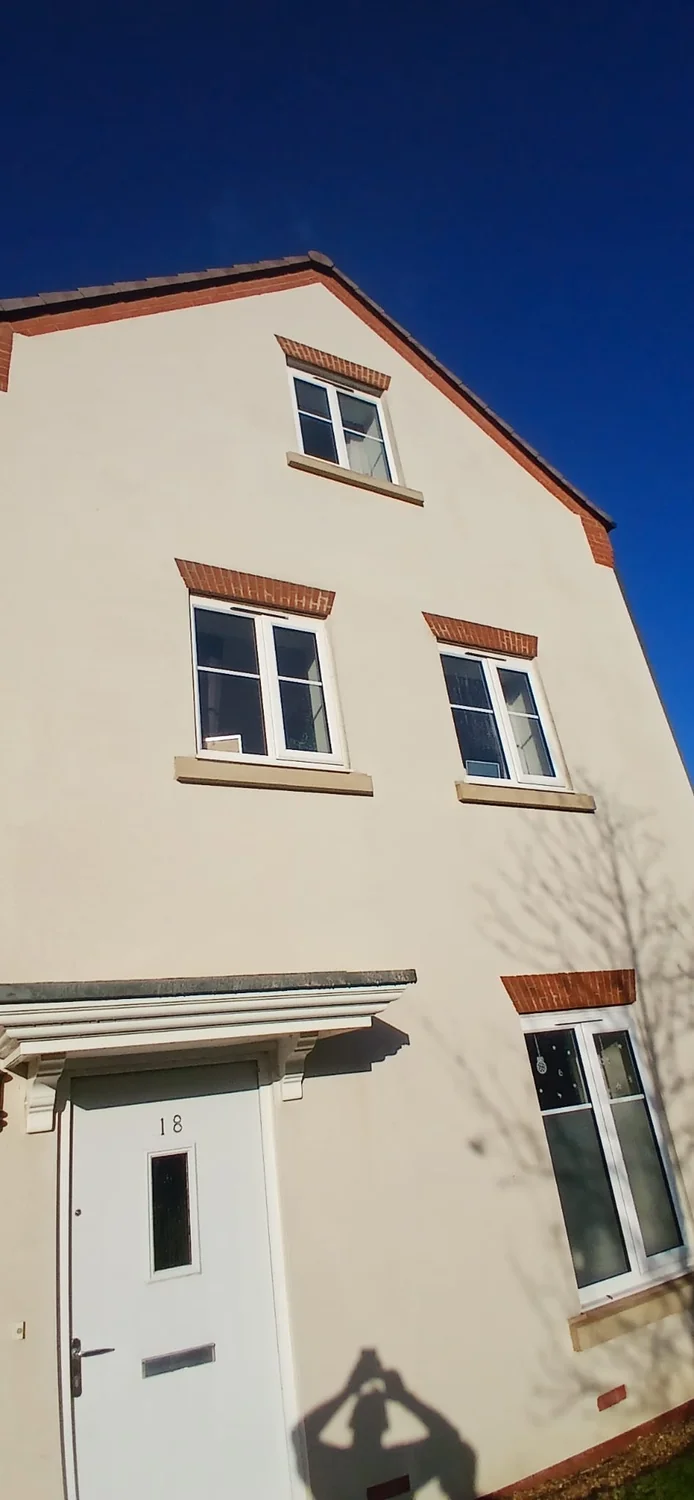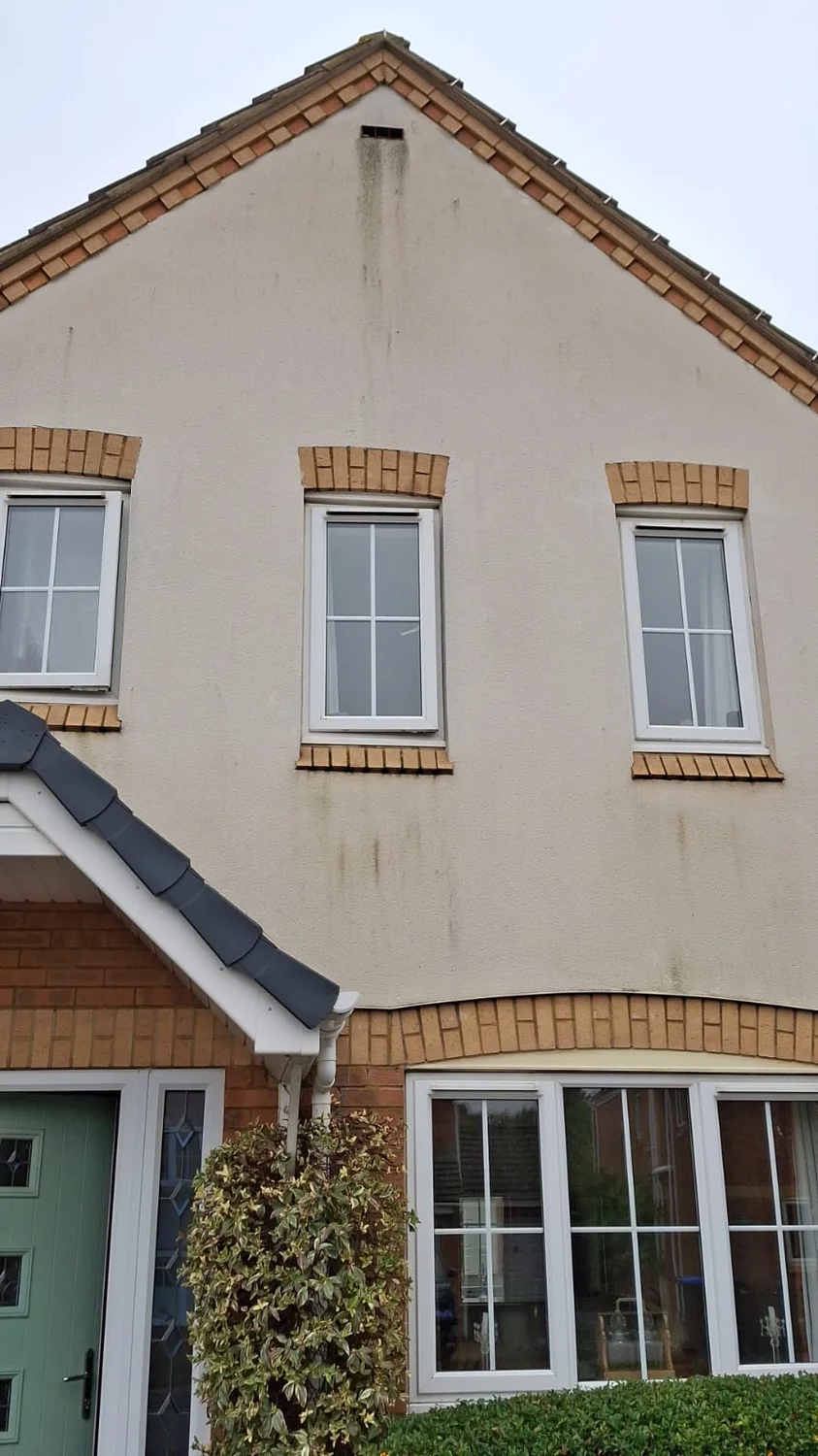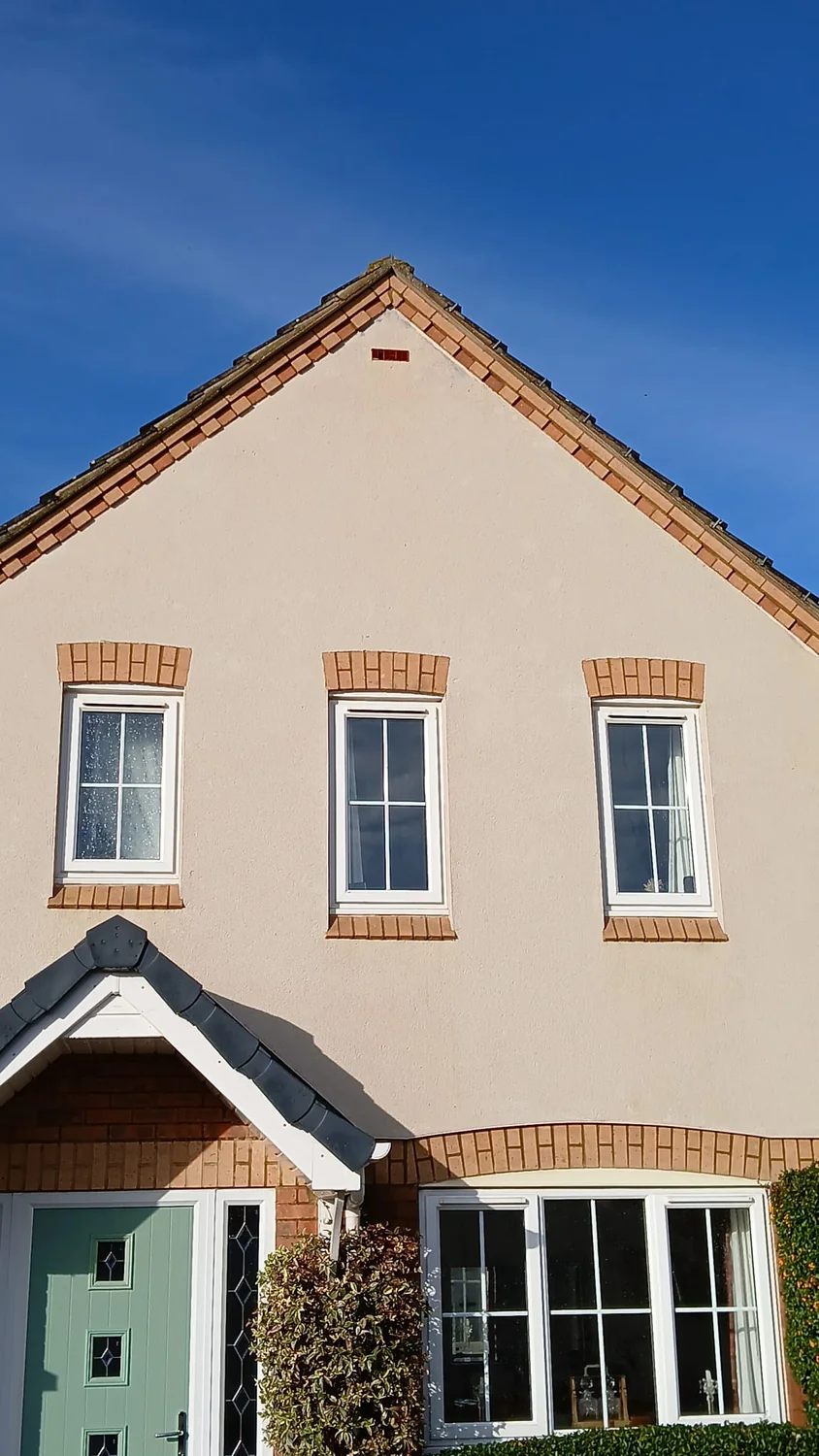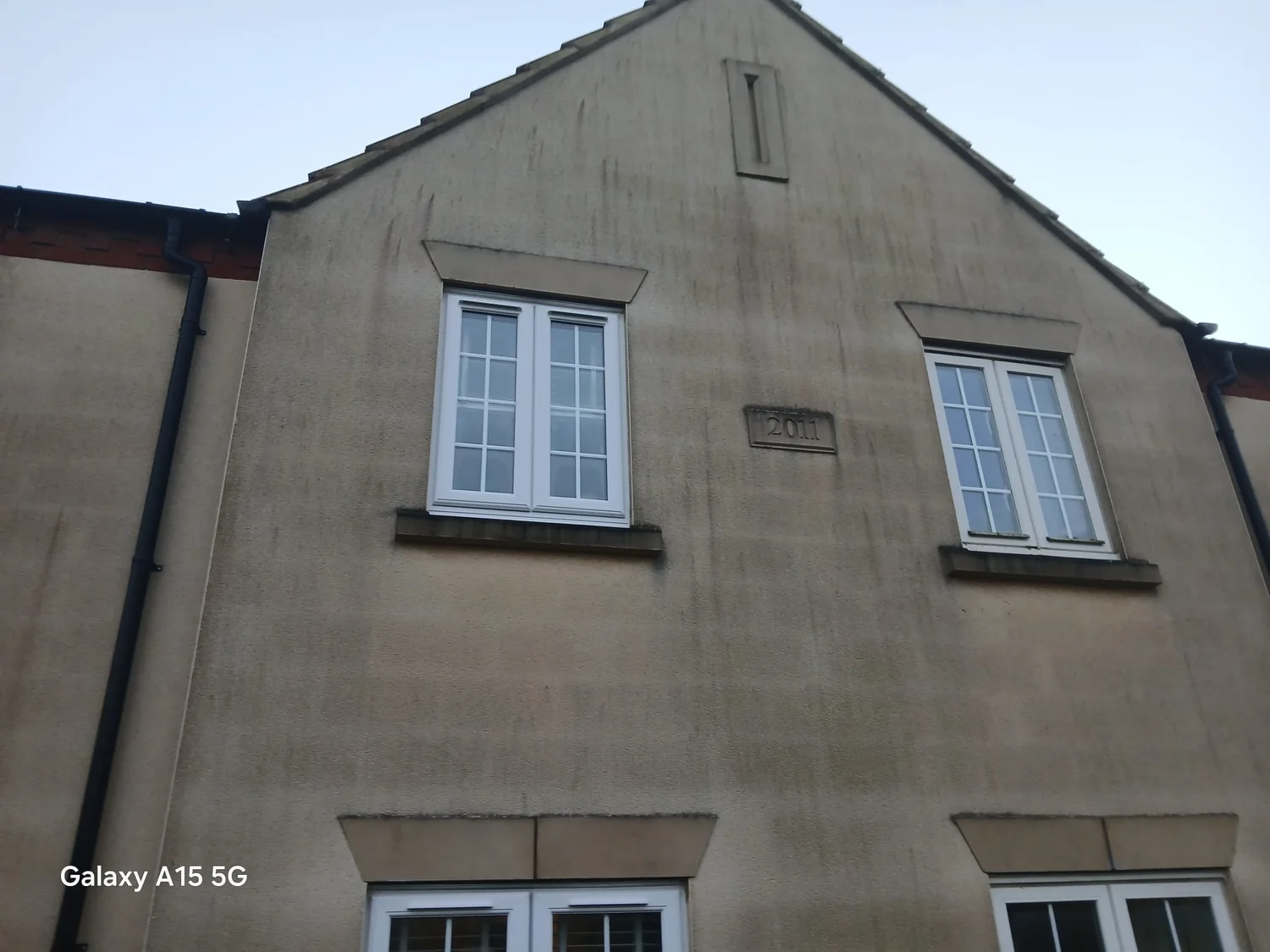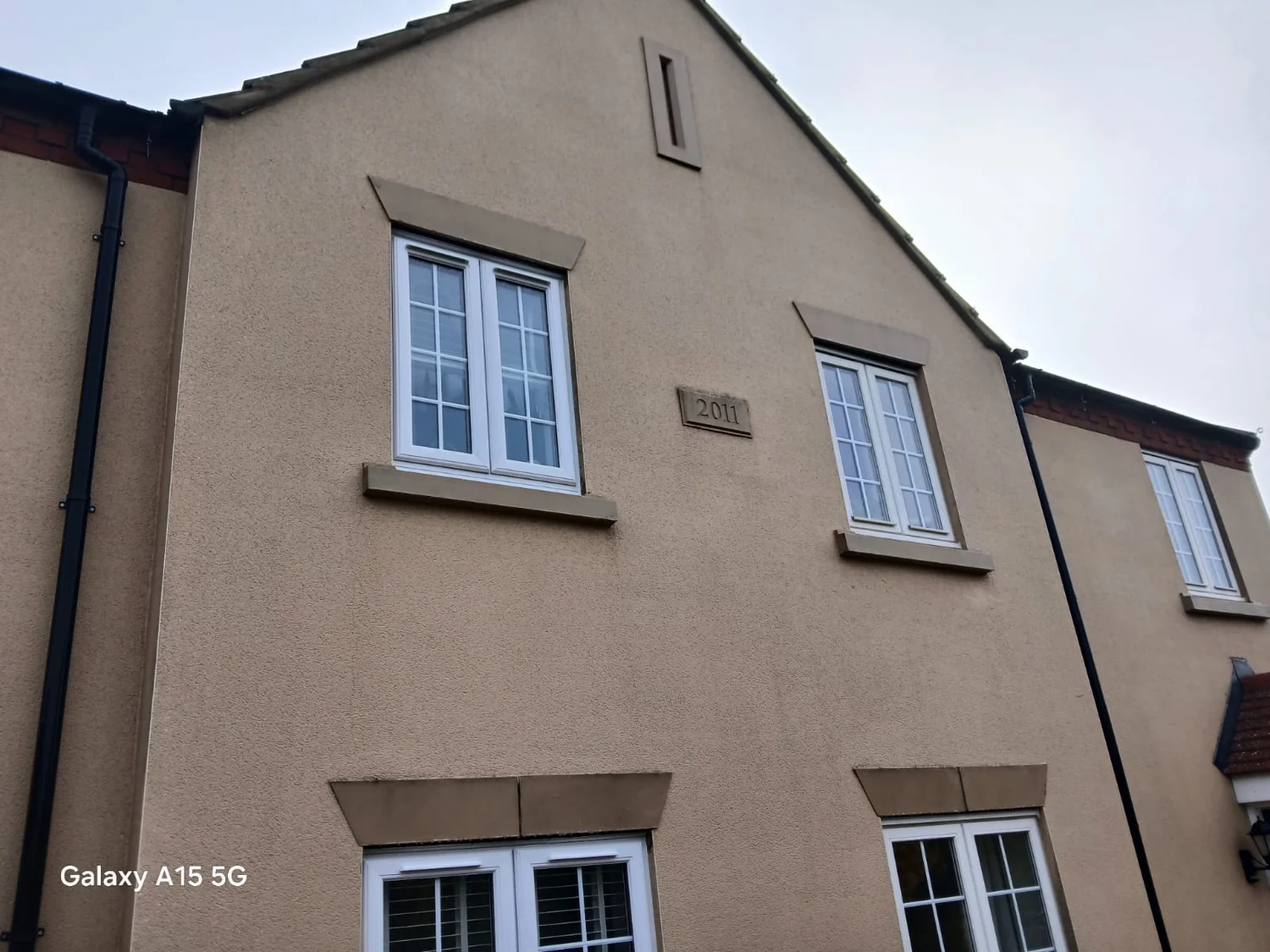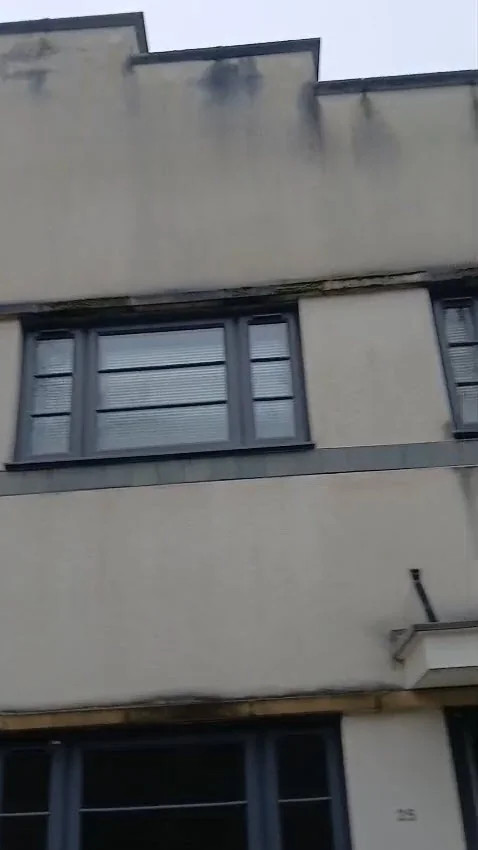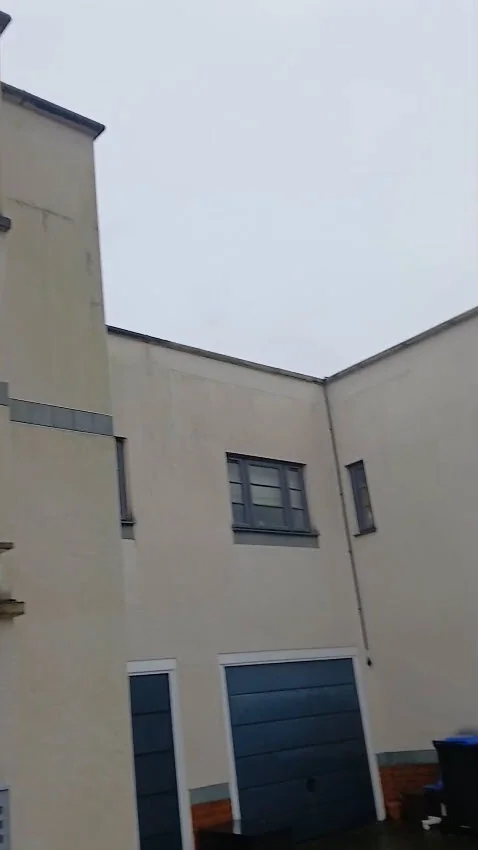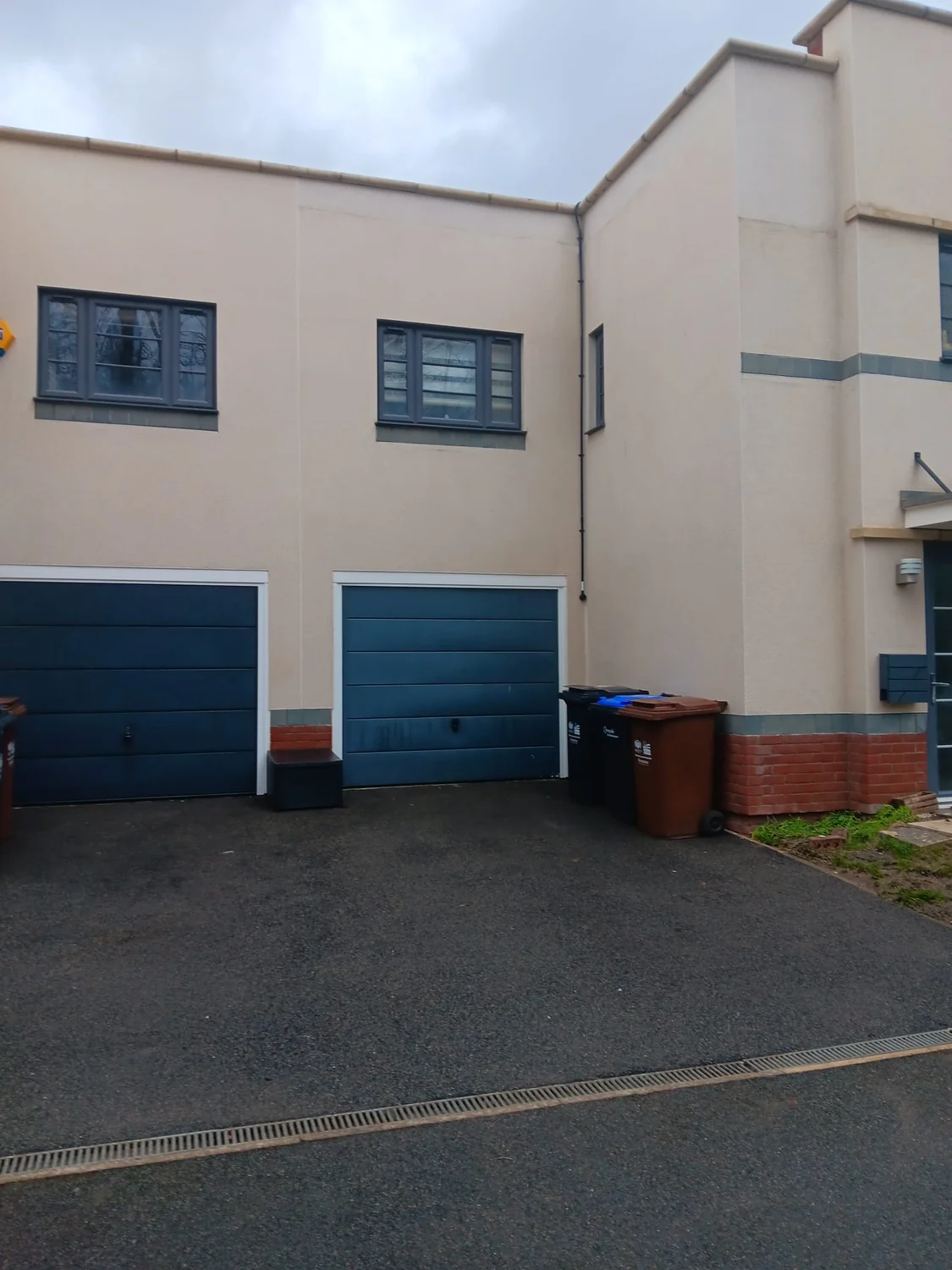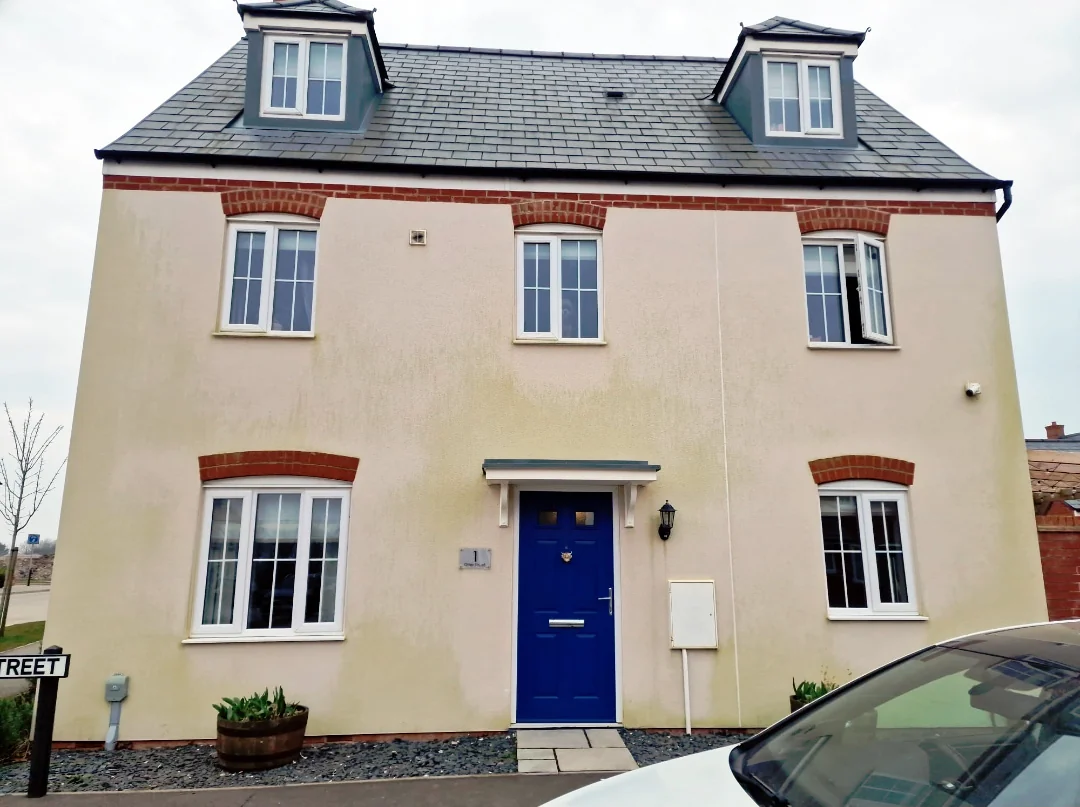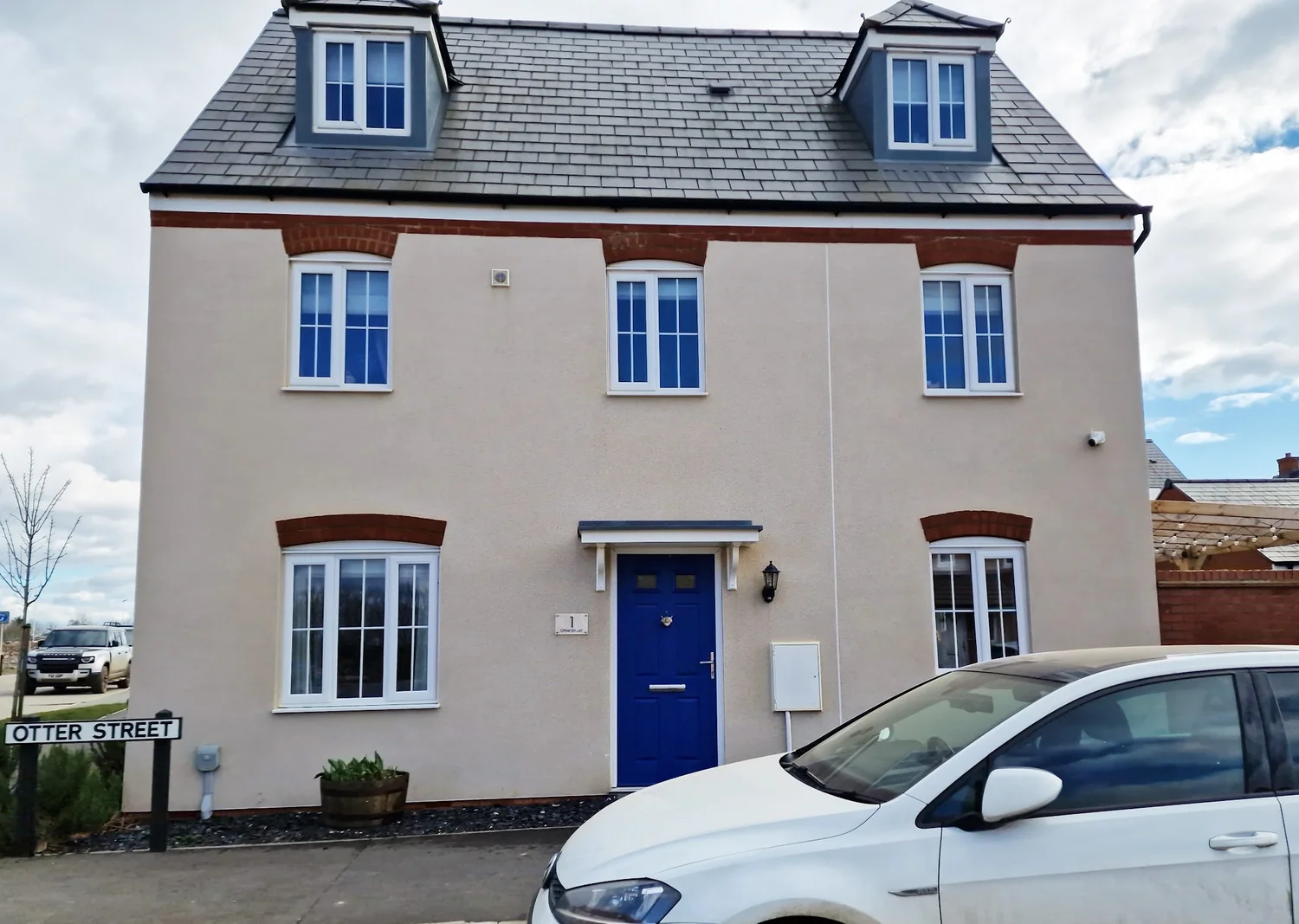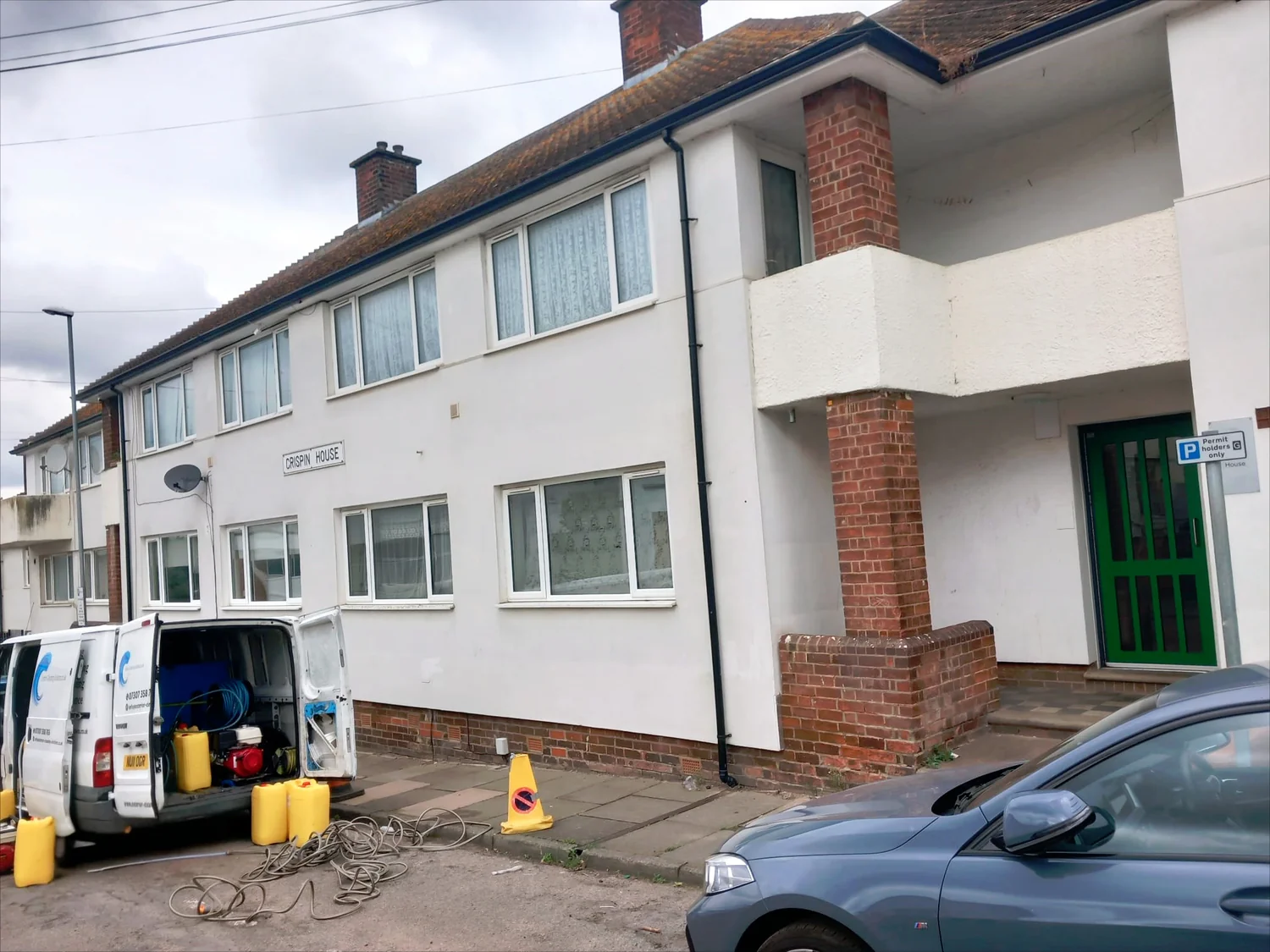
Across 2024–2025, we completed a large number of residential render cleaning jobs around Northampton, restoring stained elevations back to a cleaner, more uniform finish. On modern render systems, the biggest culprit isn’t “dirt” — it’s biology: green algae, black biofilm, and the more stubborn red/orange staining that can embed into textured surfaces.
This page consolidates multiple smaller domestic jobs into one place, showing the typical problems we see across Northampton neighbourhoods and the methods we use to clean render safely and consistently.
Residential render discolouration usually falls into three buckets:
In practice, homes often show a mix of these, with different elevations colonising differently depending on shade, aspect, rainfall exposure, and nearby trees/green space.
Even when render “only looks a bit tired,” it’s usually:
The goal is a consistent finish without damaging the surface — which is why we don’t treat render like a driveway.
We use softwashing principles: treatment-led cleaning at low pressure, then controlled rinsing. This aligns with manufacturer guidance that focuses on biocide-led cleaning for organic growth on render/masonry rather than aggressive pressure.
For green algae and lighter biofilm, we apply an appropriate cleaning solution, allow dwell time, then rinse carefully to prevent streaking and patchiness — especially important on large gables and textured finishes.
For red/orange staining linked to Trentepohlia-type patinas, we often need a more intensive approach than standard green growth:
In some cases, this includes a controlled bleach-based (sodium hypochlorite) treatment as part of a professional softwash process — used carefully to manage risk to plants, finishes, and surrounding areas.
(We don’t publish mixing ratios on-site pages — correct strength and handling depends on the surface, conditions, and site controls.)
We rinse methodically and detail around:
That’s where streaking shows first if you rush.
Where appropriate, an after-treatment can be used to slow regrowth and extend the clean appearance, depending on exposure and the client’s maintenance goals.
Across the set of properties in this 2024–2025 round-up, cleaned render was left:
If your render is showing green shading, black streaking, or red/orange staining, send a couple of photos plus your postcode and we’ll advise the safest method and what level of improvement to expect for your specific contamination type.