
K Rend vs Traditional Render: Cleaning Methods That Won't Damage Your Walls
Published June 2025
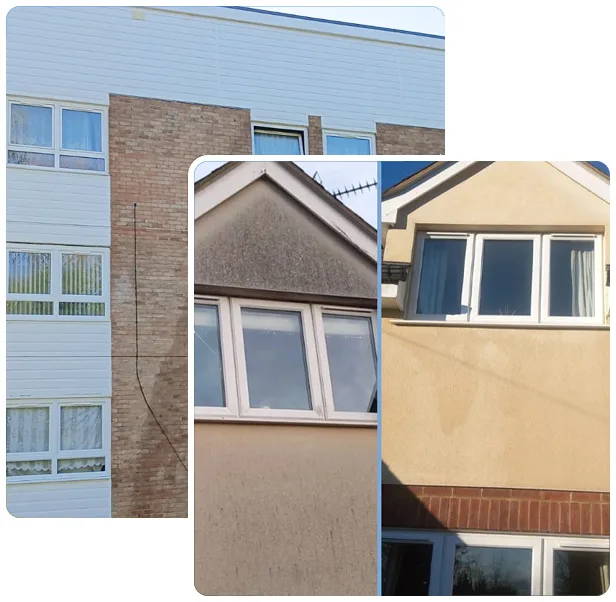
Render type determines the cleaning method - K Rend requires gentle, soft washing with pH-neutral cleaners and low pressure, while traditional sand and cement render can withstand controlled pressure washing. Using the wrong approach on either type can cause expensive damage, from stripped coatings and water ingress to cracking and delamination. This guide covers everything you need to know about cleaning both render types safely and effectively.
Key Takeaways
- Render type determines the cleaning method - K Rend requires gentle, soft washing with pH-neutral cleaners and low pressure (maximum 500 PSI). Traditional sand and cement render can withstand controlled pressure washing at 800-1,200 PSI.
- Incorrect cleaning can cause expensive damage - using excessive pressure, harsh chemicals, or abrasive tools can strip protective coatings, cause cracking, lead to water ingress, and void warranties.
- Soft washing is safest for K Rend - using a maximum pressure of 500 PSI, pH-neutral biocides, wide-angle nozzles, and a minimum distance of 1 metre from the surface.
- Professional service prevents costly mistakes - experienced contractors understand render types, use correct equipment, maintain warranties, and carry insurance to protect your property.
- Regular maintenance extends render lifespan - annual or bi-annual cleaning prevents deep staining, preserves protective properties, and avoids premature repair or re-rendering costs.
Understanding Your Render Type
K Rend (Silicone-Based Render)
K Rend is a silicone-based render made from silicone additives, Portland cement, polymers, and fine aggregates. Created for modern, low-maintenance finishes, it's flexible, breathable, and water-resistant. Its self-cleaning properties prevent dirt and organic growth from clinging to surfaces. The flexibility minimises cracking in the UK's variable climate, and water-resistance protects buildings from intense rainfall.
Typically applied to new-build homes, extensions, and renovation projects with modern aesthetics, it works with blockwork and insulation board systems and lasts beyond three decades with proper installation and maintenance.
Traditional Sand and Cement Render
Traditional render combines sand, Portland cement, and water, sometimes with lime for flexibility and workability. Applied in one or several coats on brick or block walls, it creates smooth or textured finishes. While strong and rigid, it's less flexible and breathable than modern options. Highly porous, it absorbs water when not correctly maintained or sealed.
Over time, it cracks from freeze-thaw cycles or substrate shifts. Staining, algal growth, efflorescence, and delamination occur when moisture becomes trapped. Common in period UK homes built between early 20th century and 1980s, particularly on suburban semi-detached houses, post-war council homes, and terraced properties.
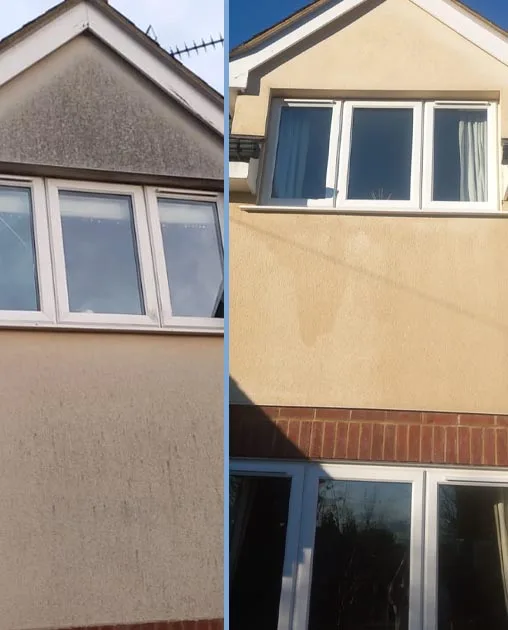
It's Essential to Always Use the Correct Cleaning Method
How Render Type Influences Cleaning Approach
Not all render types require identical cleaning methods. What works for one type might damage another.
K Rend has a smooth, lightly textured finish requiring gentle cleaning due to its delicate surface and water-repellent coating. Soft washing using low-pressure biocide or pH-neutral cleaner with maximum 500 PSI rinsing and minimum 1-metre distance is ideal. Harsh chemicals, abrasive scrubbing, and high-pressure jets strip silicone layers, causing long-term water ingress and discolouration.
Traditional sand and cement render withstands higher pressure washing around 800-1,200 PSI, especially for removing difficult moss, algae, or efflorescence. Mild chemicals and steam cleaning can be used. Overly aggressive or poorly directed cleaning causes cracking and water ingress.
What Are the Effects of Incorrect Cleaning
Using the wrong cleaning method on your render can lead to serious and costly consequences:
- Surface erosion - high-pressure washing blasts away outer layers of both K Rend and traditional render. On K Rend, it removes the silicone coating; on traditional render, it weakens the surface.
- Cracking and delamination - excessive pressure or harsh chemicals widen hairline cracks. Water seeps in, freezes in cold temperatures, and causes render to delaminate or fall away.
- Moisture ingress and damp - pressure jets force water into render, entering the substrate and causing mould growth, internal dampness, and damage to insulation or wall structures.
- Staining and discolouration - incorrect cleaners like acidic solutions or bleach cause staining or permanent discolouration. Patchy or streaked finishes result from pH imbalance.
- Biological growth acceleration - insufficient rinsing or wrong chemicals feed algae or moss. Damaged surfaces provide better grip for future growth.
- Voided warranties - K Rend warranties become void with high pressure or unapproved cleaners.
- Incorrect cleaning methods can cause visible damage to up to 40% of traditional sand and cement renders within the first year.
- While K Rend is more resilient, improper treatment still leads to issues like surface degradation or water ingress in 15-20% of cases.
Correct Render Maintenance Offers Long-Term Savings
- Expands the render's durability - regular, correct cleaning prevents surface degradation and reduces repair needs. Properly maintained render lasts 30+ years; neglected render typically lasts only 10-15 years.
- Prevents expensive repairs - early algae, moss, and stain removal reduces dampness, cracks, and delamination risks. Regular soft washing prevents structural problems from thermal bridging or trapped moisture.
- Protects internal walls and insulation - correct maintenance prevents moisture ingress that damages insulation, internal plaster, and timber framing.
- Avoids paint failures and redecoration spending - correct cleaning prevents paint bubbling, flaking, and staining, reducing frequent repainting needs for traditional renders.
- Supports energy efficiency - sound, dry render improves insulation performance, reduces heat loss, and helps maintain energy efficiency.
- Maintains or increases property value - clean, well-maintained render enhances kerb appeal and ensures prospective buyers perceive low-maintenance needs.
Safe Cleaning Methods for K Rend
Best Practices for K Rend
Soft washing
Although K Rend is low-maintenance, it requires cleaning. Soft washing is the gold standard, as specialist cleaning solutions are applied at low pressure (lower than 500 PSI) to eliminate dirt, organic growth, and stains. Gentle cleaning preserves the silicone layer, preventing surface erosion and water ingress.
Soft washing best practices:
- Use pH-neutral or render-safe biocide cleaner formulated for silicone render systems
- Allow correct dwell time - 20-60 minutes depending on treatment type
- Don't let solution dry completely; reapply light mist to maintain dampness
- Rinse gently using wide-angle spray from at least 1 metre away
- Clean during mild, dry weather for even drying without streaks
- Apply follow-up biocidal treatment for heavily soiled or old render
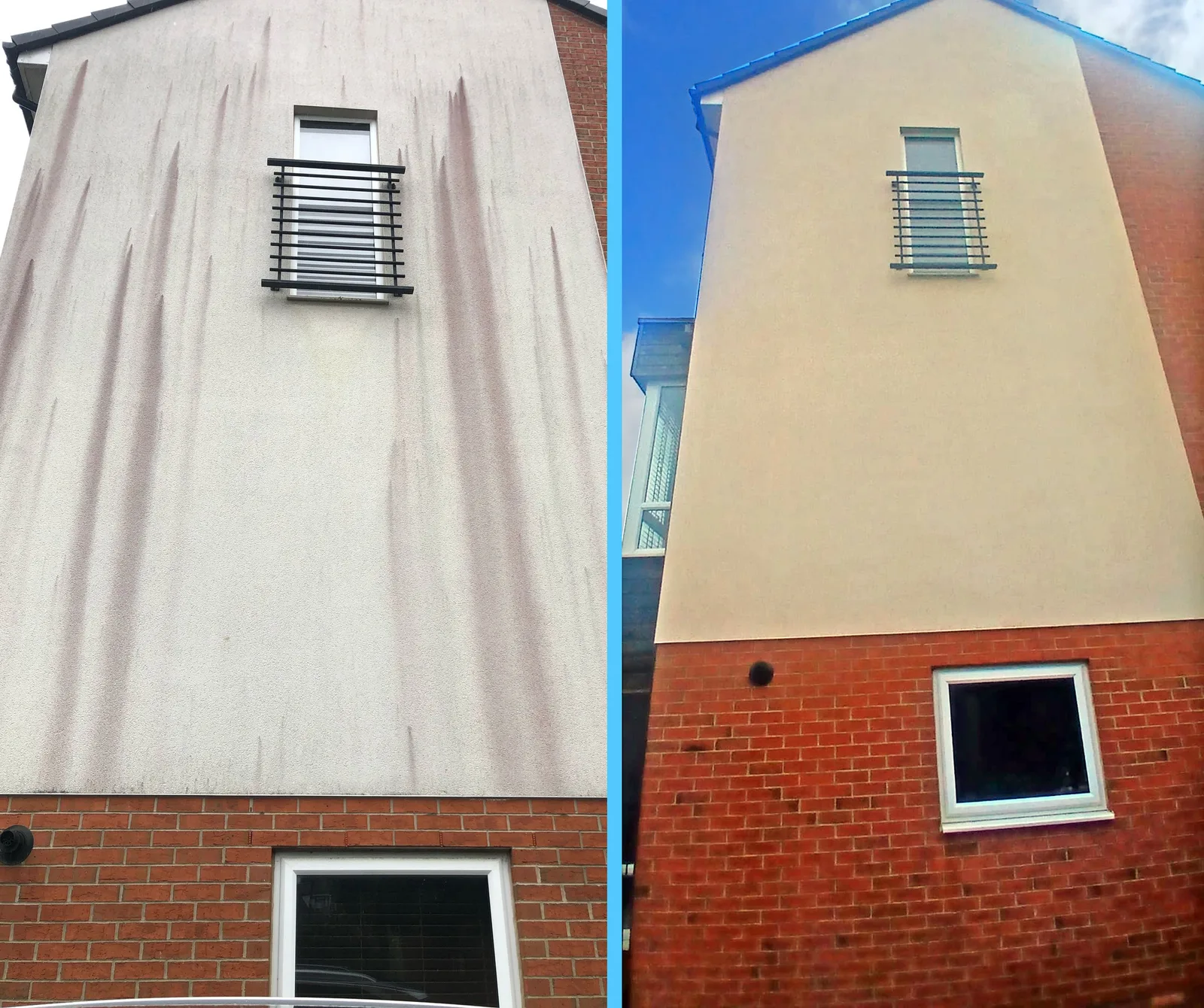
Correct Pressure Settings and Nozzle Types
| Setting | K Rend Recommendation |
|---|---|
| Maximum pressure | 500 PSI |
| Optimal range | 300-500 PSI for rinsing off solutions and light debris |
| Distance from surface | At least 1 metre (3 feet) away to spread pressure |
| Nozzle Types | |
| Fan spray nozzles | Use 25-40 degree fan tips for even, gentle dispersal |
| Soft wash nozzles | Created for coverage, perfect for applying biocidal cleaners |
| Avoid | Turbo or rotary nozzles (too abrasive) and straight jets (too concentrated) |
pH-Neutral Cleaners and Temperature Considerations
K Rend is sensitive to acidic or alkaline solutions. Incorrect cleaners risk discolouration, patchiness, and stripping the water-repellent silicone layer. Use pH-neutral cleaners (pH around 7) specially formulated for algae, moss, and grime removal without affecting render. Look for labels reading "non-caustic," "pH-neutral," or "K Rend compatible." Avoid bleach, acidic masonry cleaners, or high-alkaline degreasers.
Temperature aspects:
- For rinsing: use cool to lukewarm water (10-30 degrees C)
- Hot water softens the surface and causes streaks or microcracking
- Clean when render is cool to touch during mild weather
- Avoid direct sunlight or heat waves (cleaning agents dry too quickly and leave marks)
- Avoid freezing temperatures (render becomes brittle and less responsive)
- Cleaning at incorrect temperatures - especially above 50 degrees C - can cause thermal shock in traditional sand and cement render, leading to microcracks and surface breakdown in over 35% of cases.
- K Rend will show signs of discolouration or binder softening in approximately 10-15% of instances when cleaned with excessively hot water or steam.
What to Avoid When Cleaning K Rend
Avoid high-pressure washing (over 500 PSI) as it strips the silicone coating, causing surface erosion, scarring, pitting, and water ingress leading to internal dampness, trapped moisture, and render failure.
Avoid harsh chemicals and abrasive tools. Acidic or alkaline cleaners (brick acid, degreasers, bleach) break down surface chemistry and discolour render. Wire brushes, scouring pads, or abrasive sponges scratch and roughen surfaces, making them vulnerable to biological growth and dirt accumulation. Harsh cleaners may react with render minerals, causing blotches, streaks, or etching.
Step-by-Step K Rend Cleaning Guide
1. Inspect the surface
- Look for cracks, discolouration, or biological growth (algae or moss)
- Check for weakened or flaking render requiring repair before cleaning
- Ensure it's K Rend and not traditional rendering
2. Protect surrounding areas
Use breathable sheeting or plastic to cover plants, soil beds, fixtures, and nearby windows. Ensure water runoff doesn't enter drains or harm surrounding areas, especially with biocide use.
3. Apply an approved cleaning solution
Use pH-neutral, render-safe cleaner designed for silicone renders. Apply with low-pressure sprayer or soft wash lance. Start from top and work in sections for large areas to avoid streaking.
4. Allow enough dwell time
Leave solution for 20-60 minutes depending on dirtiness and manufacturer guidance. Don't let it dry completely; reapply light mist to maintain dampness during dwell time.
5. Rinse gently and inspect
- Rinse using low pressure (under 500 PSI) with wide-angle fan nozzle
- Keep nozzle at least 1 metre from surface to avoid damage
- Check for remaining stains; repeat process if necessary
- Allow surface to dry naturally
Need Your Render Professionally Cleaned?
Whether you have K Rend, traditional sand and cement, monocouche, or any other type of render, our team uses the correct method for your surface - soft washing, steam cleaning, or controlled pressure washing. We're fully insured with £5M public liability cover and never ask for upfront deposits. Call 07307 358765 for a free, no-obligation quote.
Get a Free QuoteCleaning Traditional Render
Recommended Methods
Traditional sand and cement render is tougher than silicone systems but still requires careful handling. Its porous nature means it absorbs water and stains more easily, and old render becomes fragile.
Soft washing for light maintenance
Remove surface-level algae, dirt, and pollution stains using soft washing with biocide or mild detergent. Low pressure followed by gentle rinsing is recommended. For regular upkeep when render is in good condition, soft washing prevents further staining and extends external paint durability.
Controlled pressure washing
For difficult dirt and neglected render, controlled pressure washing at 800-1,200 PSI using 25 or 40 degree fan nozzles works well. Keep at least 1 metre from walls. Test a small patch first - old render may crumble under pressure. Avoid pointing spray at cracks or edges to prevent water ingress.
Steam cleaning (low-pressure, high-temperature)
Steam cleaning is safe for historic or heavily weathered render. It kills moss and algae while lifting grime without overwetting surfaces. Requires specialist equipment and expertise; best left to professionals.
Chemical cleaners (with caution)
For efflorescence or ingrained staining, mild alkaline cleaners work well. Avoid strong acids or harsh solvents; follow with deep rinsing to neutralise all chemical residues.
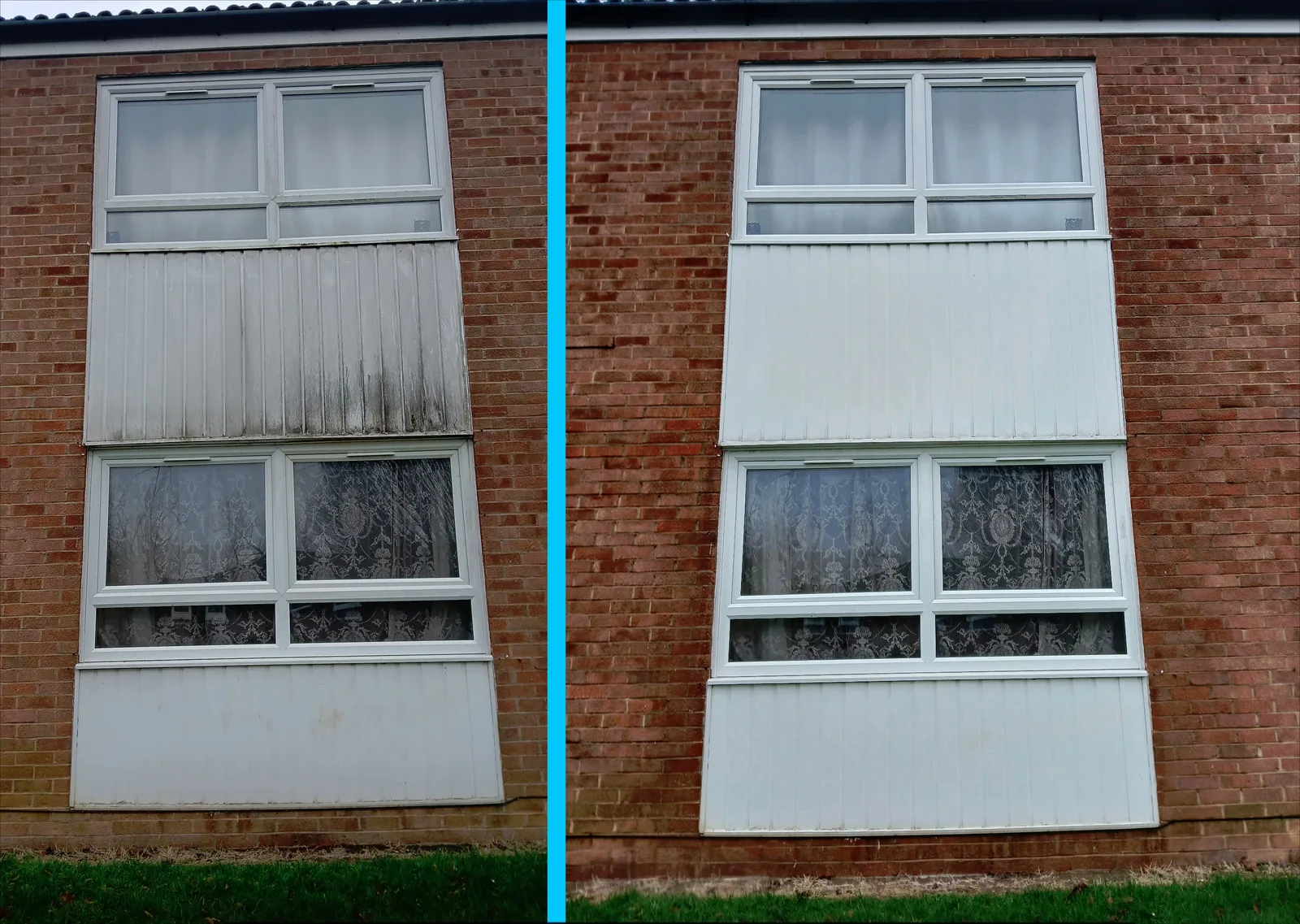
Safe Pressure Washing for Traditional Render
Precision pressure washing is safe on traditional sand and cement render when done correctly.
| Setting | Traditional Render Recommendation |
|---|---|
| PSI range | 800-1,200 PSI (never exceed 1,500 PSI) |
| Nozzle type | 25 or 40 degree fan nozzles |
| Spray angle | 45 degrees to minimise water ingress |
| Distance | 1-1.5 metres from the surface |
| Avoid | 0 degree (pinpoint) or turbo nozzles |
Tips to avoid cracking or water ingress:
- Don't spray into cracks, joints, or edges where water seeps easily behind render
- Hold spray moving steadily; don't linger in one place or surface erosion occurs
- Pay attention around painted areas as loose or ageing paint may bubble or peel
- Allow surfaces to completely dry after cleaning to prevent moisture trapping
Common Issues With Traditional Render
Removing algae, moss, and efflorescence
For algae and moss, apply render-safe biocide using low-pressure sprayer; let dwell for 30-60 minutes. Rinse gently or allow natural weathering to remove residue over several days. Don't scrape or scrub aggressively - roughens surface and causes future growth. Trim overhanging vegetation and address leaking gutters to minimise regrowth.
For efflorescence, gently remove surface salts with soft brush or dry cloth. For difficult buildup, apply mild alkaline cleaner made for masonry; rinse well. Avoid acidic products - they etch surfaces and exacerbate issues.
Handling deep-set staining and discolouration
Stains from rust, pollution, or mould seeping into porous render require a second application of biocide or stain-specific cleaner, steam cleaning for difficult, deeply set grime (ideal on painted or sensitive surfaces), and several light passes rather than one aggressive clean. Always detect staining sources (leaking downpipes, corroded fixings) to prevent recurrence.
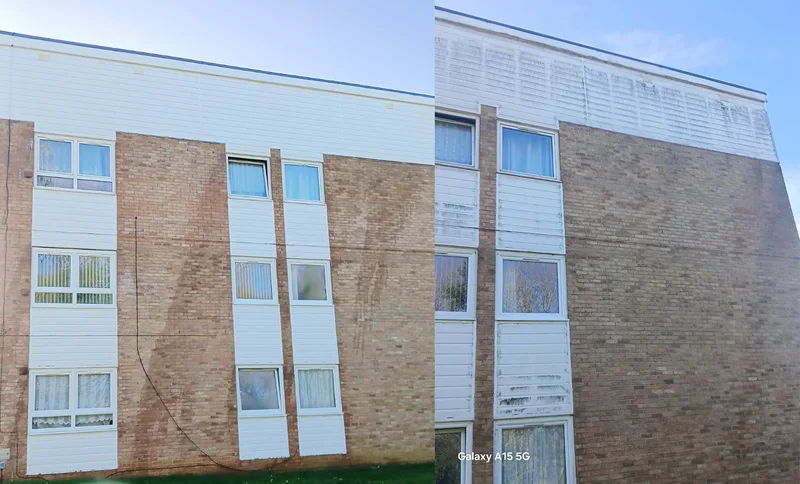
Prep for repainting post-clean
- Ensure complete dryness - can take 48-72 hours or longer in cool weather
- Check for remaining salts, biological growth, or loose paint flakes; remove before painting
- Use masonry stabiliser on patched or chalky areas before fresh paint
- Use breathable, weather-resistant masonry paint designed for traditional render
Common Cleaning Difficulties and How to Handle Them
K Rend Challenges
Stains from pollution or biological growth
Airborne pollution (especially in urban or roadside areas), along with algae, moss, and lichen (in damp, shaded spots), create dark streaks, green patches, or uneven staining. Apply pH-neutral biocide or soft wash solution using low pressure. Let dwell for 30-60 minutes (or longer for heavy buildup). Rinse with low-pressure water (under 500 PSI) and wide-angle fan nozzle. Don't scrub textured surfaces; use soft brush only if necessary. For recurring problems, treat annually and install gutter guards or trim vegetation.
Preserving water-repellent surface properties
Harsh cleaning may strip water-repellent layers. Always employ soft washing methods and use only approved render-safe biocides or detergents. Rinse thoroughly, avoiding over-wetting or saturation. If render loses water-repellent abilities, hire professionals to reapply compatible water-repellent treatment.
Maintaining uniform colour in textured finishes
Textured K Rend is difficult to clean evenly; light-coloured or old walls may appear patchy. Over-cleaned areas appear brighter or smoother, and wrong pressure nozzles risk thread stripping. Clean all elevations or large sections simultaneously. Maintain constant distance and technique; use broad spray angles. Pre-wet surface lightly before applying cleaner to avoid absorption marks.
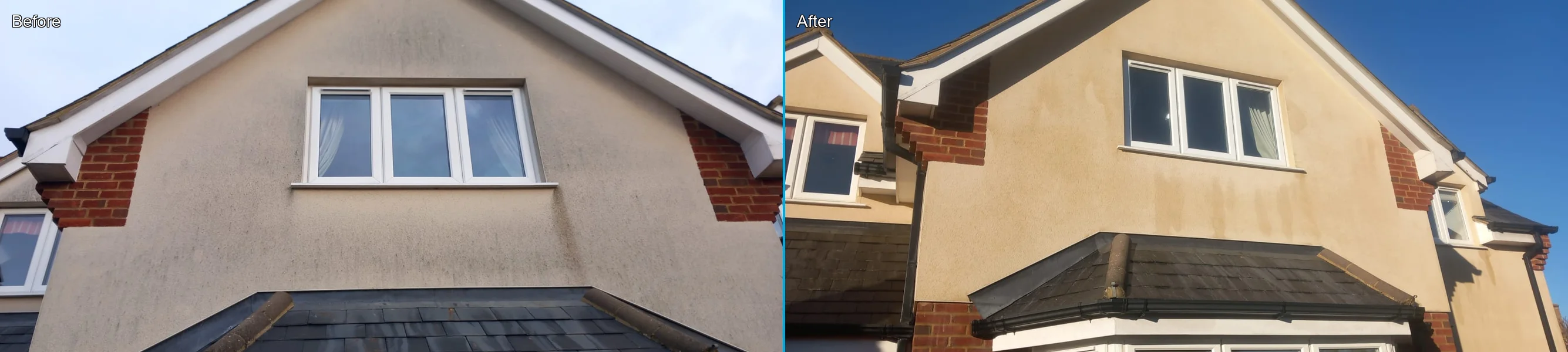
Traditional Render Challenges
Moisture issues or cracks
Traditional render has higher water ingress risk than modern systems. Watch for hairline cracks or significant structural splits allowing water seepage, damp patches, or peeling paint (especially after cleaning), and algae or moss regrowth. Thoroughly examine surface before cleaning - repair any cracks first. Use low-pressure wash; avoid saturating walls. Wait 48-72 hours for complete drying before applying sealants or paint.
Compatibility with paints or treatments after cleaning
Old renders often coated with breathable paints fail when exposed to moisture or cleaning residue. After cleaning, apply only breathable masonry paint (silicate- or mineral-based). Use soft brushing or mild alkaline cleaner to remove chalky residue, flaking paint, or salt deposits. After drying, apply stabiliser primer to powdery areas. Avoid non-breathable sealers or gloss paints - they trap moisture and accelerate decay.
Avoid long-term damage from aggressive cleaning
Many older renders don't withstand modern pressure washing. Avoid high-pressure washers (over 1,200 PSI) exposing aggregate and blasting soft mortar. Acid-based cleaners alter cement surfaces, and scraping or scouring tools roughen surfaces. Instead, employ soft washing or controlled low-pressure rinsing with fan nozzles. Use steam cleaning for historic buildings or painted render. Call professionals for listed buildings or decorative finishes.
DIY vs Professional Cleaning
When to Hire the Pros
Access and height concerns
For two-storey or higher properties with difficult-to-reach areas (gables, dormers), safety is vital. Professionals use cherry pickers, scaffolding, or safety harnesses for secure work.
Complex staining or delicate finishes
Deep-set stains from rust, pollution, or algae in textured finishes require specialist cleaning products and equipment. Professionals examine render type, test solutions, and use appropriate products. Old, painted surfaces and decorative renders may have surprising reactions to standard treatments.
Maintaining warranties or insurance cover
K Rend comes with manufacturer warranties voided by incorrect cleaning. Building insurance may cover exterior work, but hiring certified contractors protects warranty validity. Request professional cleaners' evidence of render experience, liability insurance, and method statements.
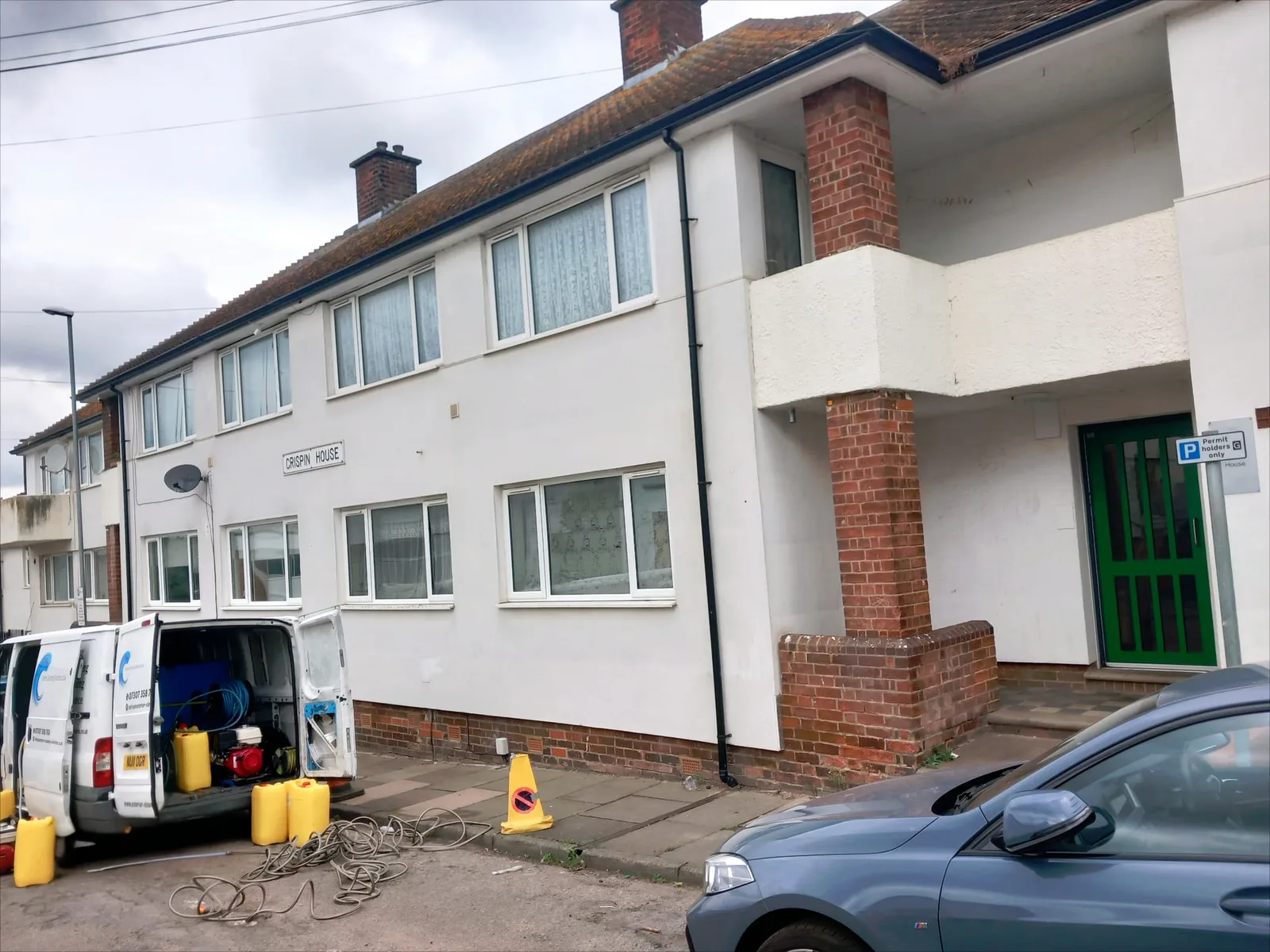
DIY Cleaning Aspects
Essential safety precautions and PPE
- Wear safety goggles (splash-back protection), rubber gloves (chemical handling), non-slip footwear, and long sleeves
- Use ladders only when necessary, never while employing pressure washers
- Always read and follow product instructions and COSHH safety data sheets
- Don't spray near outdoor sockets and cables - remember electrical hazards
Choosing the right equipment
Use soft wash sprayers for even cleaning solution application. Consider the pressure recommendations above; enhance reach with extension wands or telescopic poles (which can be rented or purchased).
When to stop and call in the pros
- If staining persists after a second soft washing round, stronger professional treatments are necessary
- If cracks or loose render appear while cleaning
- If you're unsure about render type
- Approximately 1,200 accidents related to render cleaning are reported annually in the UK, with the majority involving falls from ladders or misuse of pressure washing equipment.
- Dirty or stained render can reduce a property's perceived value by up to 10%, potentially cutting £20,000 or more off the selling price of an average UK home.
Preventative Maintenance Tips
K Rend Maintenance
Cleaning frequency: Clean every 12-24 months depending on location. Coastal, shaded, or high-traffic areas need annual cleaning. Sheltered or rural properties can stretch to biennial cleaning. Treat early signs of pollution or algae promptly to prevent deep staining and spreading.
Landscaping and guttering: Improve airflow and prevent damp by trimming trees, hedges, and climbing plants. Prevent water staining or runoff streaks by installing and maintaining guttering, downpipes, and splash guards. Direct hosepipes, garden sprinklers, and overflow outlets away from render.
Signs of deterioration:
- Discolouration or dark streaks (particularly on lighter finishes) signal pollution or algae buildup
- Surface powdering or patchiness suggests UV wear or improper cleaning
- Extended wall wetness indicates loss of water-repellency, requiring cleaning or re-treatment
- Address hairline cracks or blown patches quickly
Traditional Render Maintenance
Seasonal inspection and upkeep:
Every spring and autumn, inspect for flaking paint, damp patches, and hairline cracks. Pay attention to wind and rain-exposed areas. Gently clean after winter to remove algae and staining before settling. In autumn, clear gutters and downpipes to prevent streaking and overflow.
Timely repairs:
Don't postpone managing small cracks or bulging render - increases detachment, water ingress, or internal damp risk. Use compatible repair mortar or hire professionals for colour-matched patching. Never paint over problem areas without addressing underlying causes.
Preventing moisture-related issues:
- Ensure external joins (around windows, sills, pipes) are adequately sealed
- Avoid planting too close to walls - dense vegetation traps moisture and encourages moss
- Always use breathable masonry paint to allow moisture escape and minimise freeze-thaw effects
A Word on the Budget: Cleaning Costs vs Long-Term Value
Cost Expectations
| Service Type | Price Range |
|---|---|
| Professional Cleaning (Per Elevation or Wall) | |
| K Rend (soft washing) | £250-£600 |
| Traditional render (soft/pressure wash) | £200-£500 |
| Full-house clean (average UK home) | £800-£1,500+ |
| DIY Cleaning | |
| Equipment rental (soft wash system or pressure washer) | £30-£70 per day |
| Approved render cleaner (5L) | £25-£50 |
| Safety gear and brushes | £20-£40 |
| Estimated DIY total | £100-£200 (excluding time) |
| Factors Affecting Pricing | |
| Render type | K Rend often requires specialist soft washing |
| Access and scale | Scaffolding or cherry pickers add £150-£500 |
| Render condition | Soiled render needs more time and multiple treatments |
Long-Term Gains
Extending render lifespan: Dirt, algae, and pollutants break down protective coatings, causing cracks and degradation. Regular cleaning prevents premature ageing - K Rend lasts 30 years; traditional render, 20 years. Preventative care reduces expensive repair or full re-render frequency.
Enhancing kerb appeal and property value: Clean, well-maintained exteriors improve first impressions. Properties with fresh-looking, uniform render command higher sale prices and sell faster, suggesting overall property care.
Improving energy efficiency: Healthy, sealed walls maintain thermal performance, especially in period solid-wall homes. Damp, damaged render affects insulation and heat loss, increasing energy bills.
Choosing the Right Cleaning Service
What to Look For
Look for companies that:
- Have experience with your render type - check before-and-after photos or case studies of similar properties; avoid contractors with "one-size-fits-all" approaches.
- Carry certification, insurance, and guarantees - including public liability insurance, IPAF certification (working at heights), site safety training, and COSHH awareness (chemical handling). Reliable contractors provide written work guarantees and ensure render warranties remain valid.
- Offer clear explanations - of cleaning solution type, application method, and pressure settings, especially for delicate or coloured finishes.
What to Watch Out For
Red flags include:
- One-size-fits-all recommendations - dependable professionals adjust methods and products to render type, age, and condition.
- Vague, incomplete quotes - lacking render type details, materials, cleaning methods, and access specifications (ladders, scaffolds, lifts).
- Failure to use protective sheeting or masking - safeguarding plants, windows, and paths.
- No guarantee - that methods won't void render warranties or damage nearby surfaces.
Real-Life Examples
Common Mistakes That Caused Damage
Case no. 1: Homeowners used standard pressure washers on K Rend, resulting in etching, surface pitting, and water-repellent property loss. The wall absorbed water and discoloured unevenly. The homeowner paid over £2,000 for repairs and reapplication.
Case no. 2: An inexperienced contractor used bleach-based cleaner on traditional sand and cement render, stripping paint and causing white salt-like streaks (efflorescence). The home required repainting and render sealing.
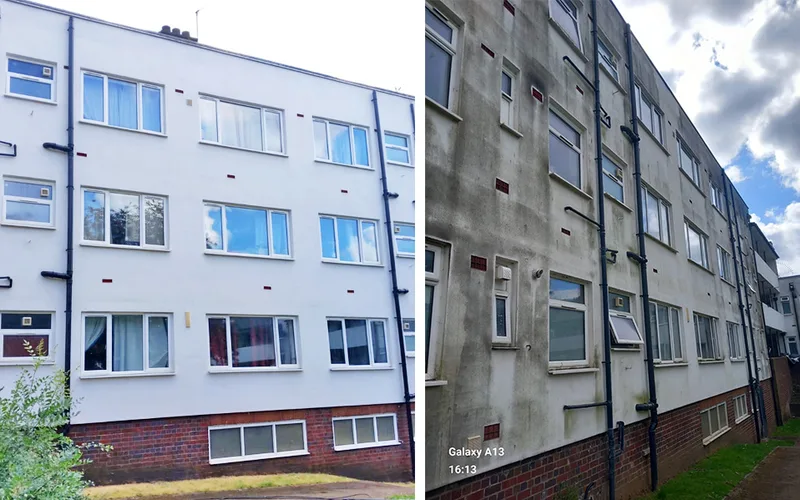
Success Stories From UK Homeowners
"Our house looks brand new!" - Nathalie, Sheffield: Professionals used soft washing on K Rend. The homeowner noted: "We were preparing to repaint, but the render cleaning saved us thousands. It was worth it!"
"I regret not calling in the help sooner" - David, Manchester: David attempted DIY cleaning on traditional moss-covered render. Professionals applied eco-friendly treatment and low pressure safely. "Next time, I will hire professionals right from the start."
Parting Words
Remember that clean render is efficient and functional, protecting home integrity, value, and durability. Using correct methods makes the difference between fresh, durable finishes and expensive damage, regardless of render type. Taking a render-specific approach is wise for maximum longevity. Whether you have K Rend on a modern new-build or traditional sand and cement on a period home, the right cleaning method protects your property's appearance, energy efficiency, and long-term value.
Ready to Get Your Render Cleaned?
We clean all types of render across Northamptonshire and surrounding areas - from K Rend and monocouche to sand and cement, pebbledash, and lime render. Every job includes a pre-clean inspection, the correct cleaning method for your render type, and a final quality check. No upfront deposits, £5M public liability insurance, IPAF and CSCS certified. Call 07307 358765 or request a free quote online.
Render Cleaning Services