How Pressure Washing Works
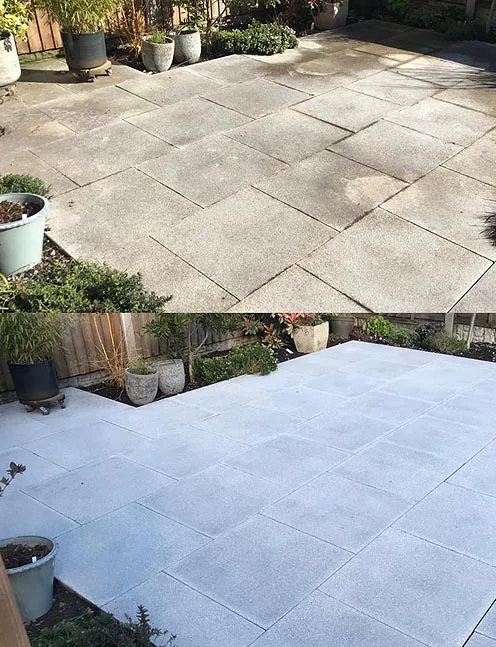
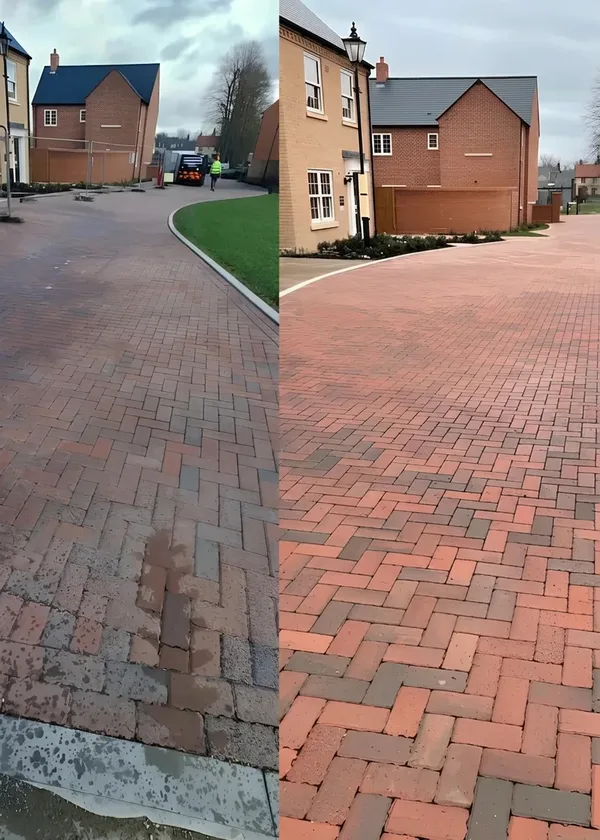
Pressure washing uses high-pressure water to forcefully remove dirt, moss, algae, oil, and staining from hard surfaces. Ever since 2021, we have been pressure washing driveways, patios, and building exteriors throughout Northamptonshire, with 100 five-star Google reviews. Adjusting the pressure for each surface material is vital - if it's too high, the surface will be damaged. If there's not enough pressure, the cleaning won't get the promised results.
High Pressure for Hard Surfaces
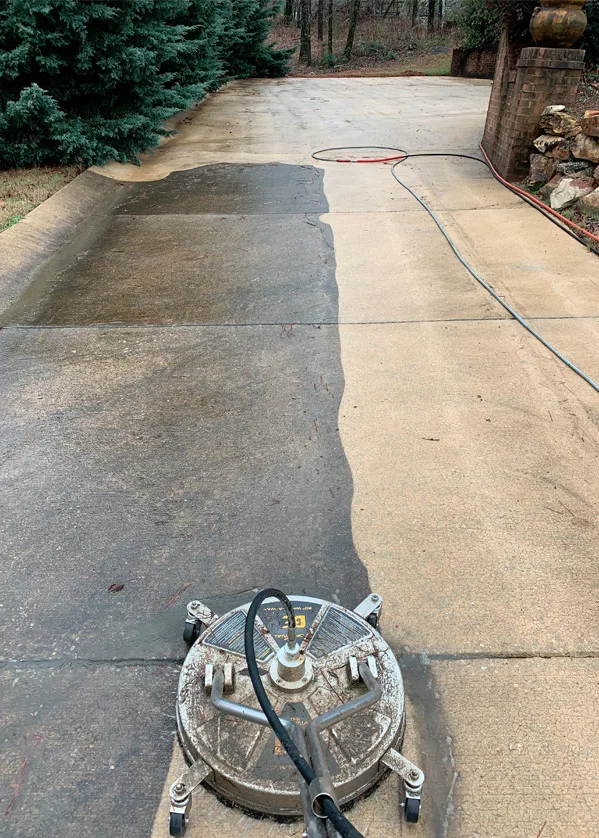
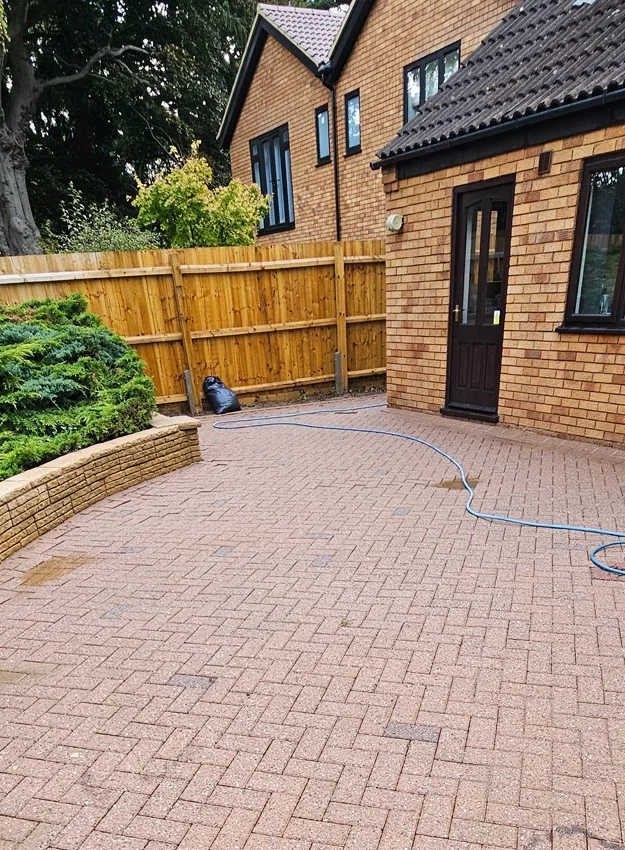
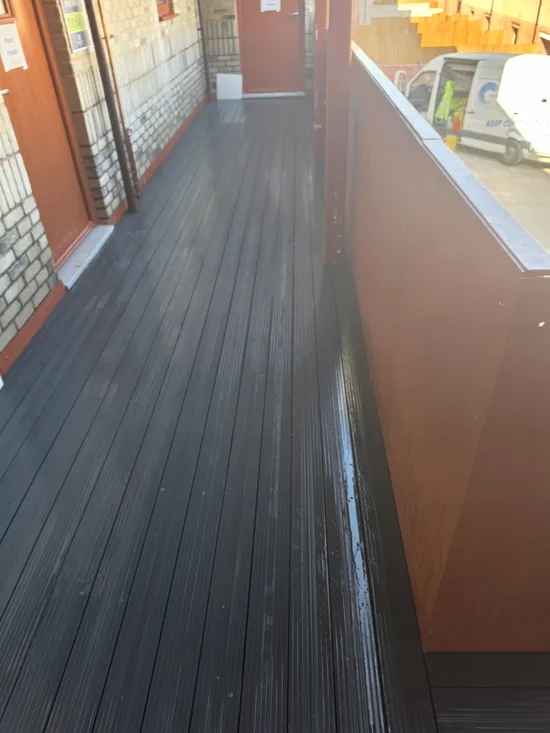
Full pressure will be used on concrete, tarmac, natural stone, and block paving. For large flat areas, we use rotary surface cleaners - they spread pressure evenly, don't cause the striping as single jets do, and leave a uniform finish.
Controlled Pressure for Delicate Surfaces
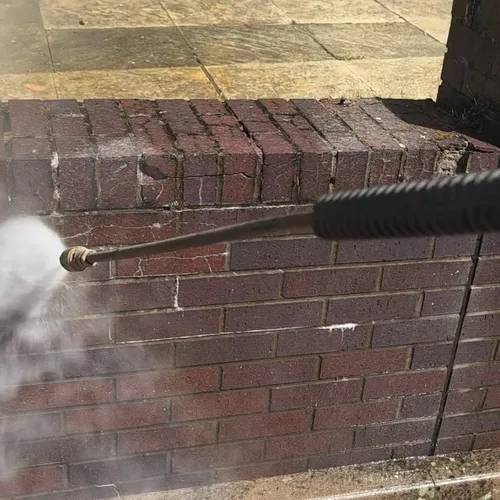
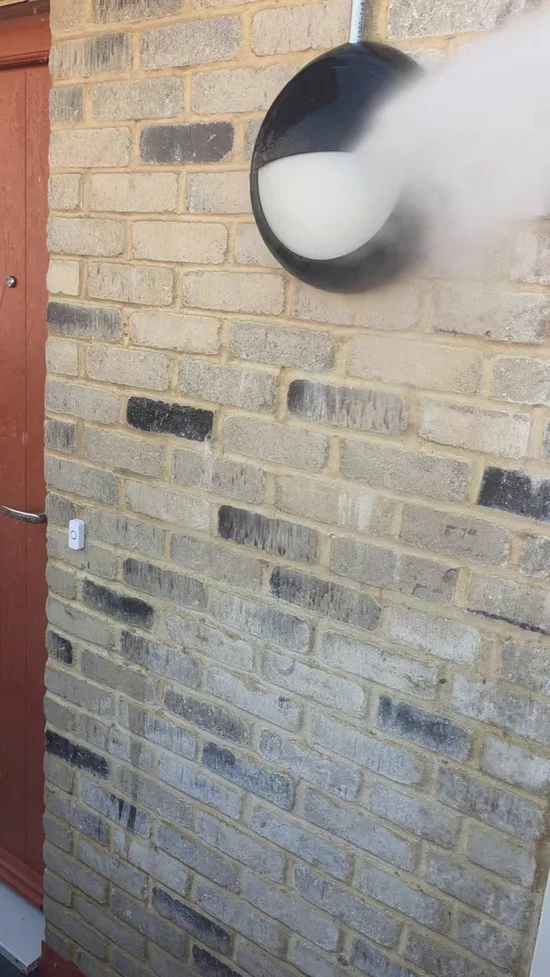
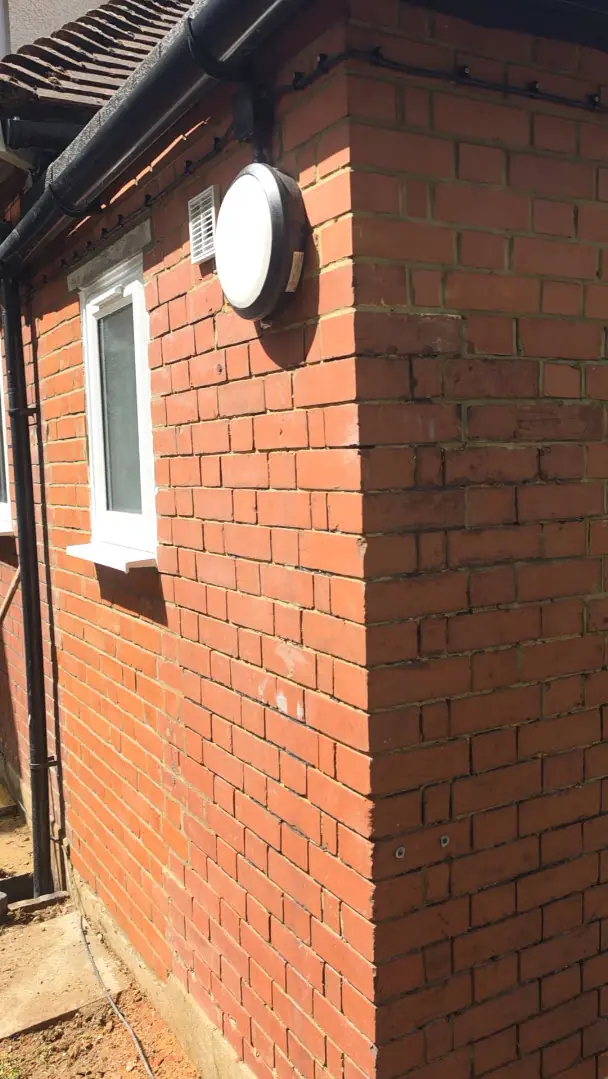
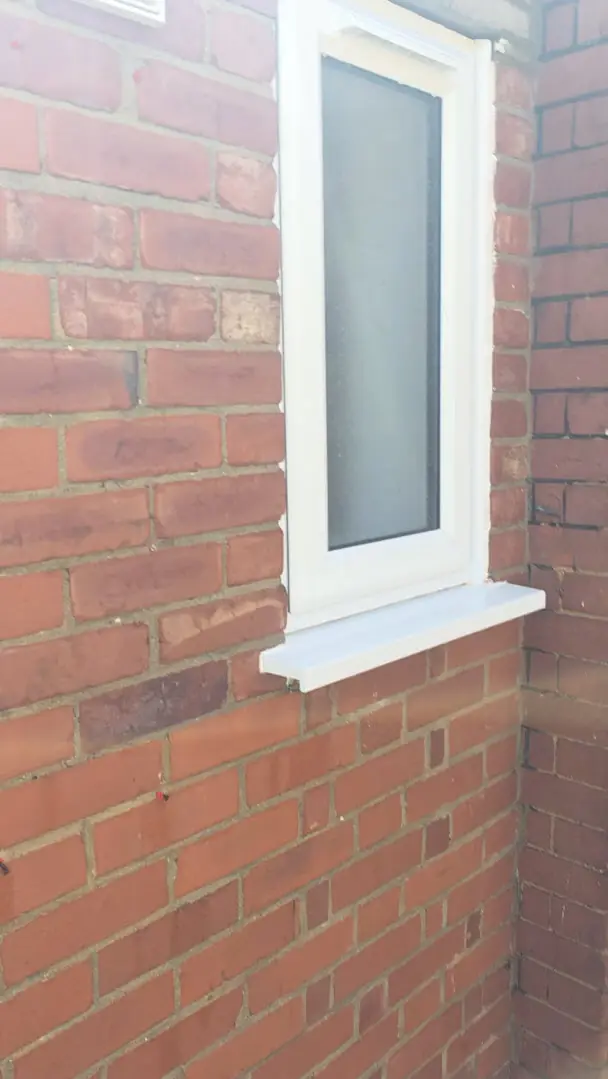
Lower pressure settings have to be used on sandstone, limestone, aged brick, and painted surfaces. To clean without damaging the surface or stripping coatings, we adjust the PSI. We turn to soft washing if the surfaces are delicate.
Hot Water Pressure Washing
Hot water pressure washing breaks down oil, grease, and fuel stains that cannot be removed with cold water. Removal is more effective when water is heated to 80-90 degrees, as it dissolves hydrocarbon bonds in oil and grease on contact. Driveways with oil spills, car parks, loading bays, and garage forecourts benefit from hot water pressure washing. For a standard driveway stain, the pricing starts from £200.