
Pressure Washing for Schools and Educational Facilities: Creating Clean and Safe Environments
Published October 2024
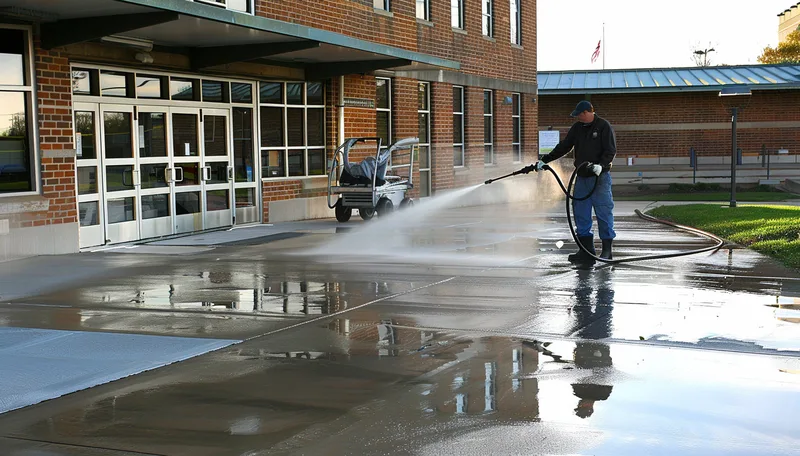
Schools and educational facilities face unique cleaning challenges. Hundreds of students, staff, and visitors pass through every day, and exterior surfaces take the brunt of it. Dirt, mud, algae, chewing gum, and graffiti build up fast, turning playgrounds, pathways, and building facades into safety hazards and eyesores. Professional pressure washing tackles these problems head-on, restoring surfaces to a clean and safe condition without the limitations of traditional cleaning methods.
Key Takeaways
- Schools face intense cleaning demands - high foot traffic, limited budgets, diverse surfaces, and strict health regulations make maintenance challenging.
- Unclean facilities create real health risks - from infectious disease spread and respiratory problems to slip hazards and pest infestations.
- Pressure washing outperforms traditional methods - it removes deeply embedded dirt, algae, and contaminants that manual cleaning cannot reach.
- Professional execution ensures safety - trained teams use correct pressure settings, PPE, and eco-friendly chemicals to clean without disrupting students.
- Regular cleaning protects property value - consistent maintenance prevents costly structural damage and keeps the school looking welcoming.
Maintaining Cleanliness in Schools: The Key Challenges
Schools are among the most demanding environments to keep clean. Every day, hundreds of people walk through the same corridors, entrances, and outdoor spaces, and the wear shows quickly. Here are the main challenges schools face.
High Traffic Areas
Schools have intense foot traffic every day so dirt, debris, and mud collect rapidly in hallways, entrances, and common areas. Playgrounds and sports courts see particularly heavy use, with ground-in dirt and scuff marks building up within days of cleaning.
Limited Resources
Many schools have tight budgets and the funds for supplies and maintenance personnel are limited. Cleaning budgets often prioritise indoor spaces, leaving external areas neglected until problems become severe. This reactive approach costs more in the long run than scheduled preventive maintenance.
Diverse Surfaces and Materials
Educational facilities contain various materials requiring different cleaning methods. Tarmac playgrounds, concrete pathways, brick walls, painted render, block paving, wooden benches, and metal railings all need specific approaches. Using the wrong technique on the wrong surface causes damage rather than improvement.
Time Constraints
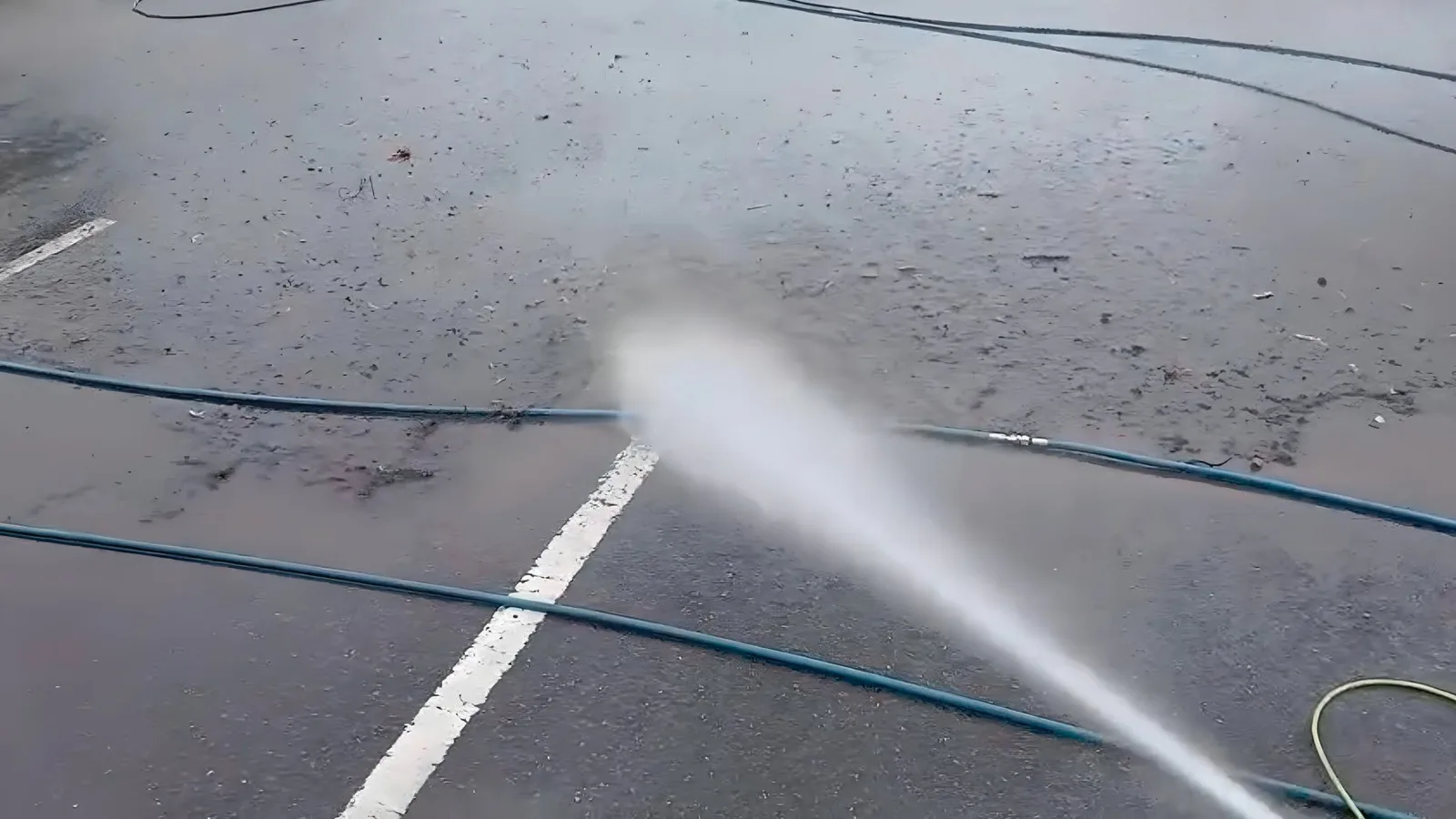
Packed schedules limit cleaning opportunities. During term time, outdoor spaces are in constant use from early morning until after-school clubs finish. Cleaning windows are narrow, often restricted to weekends, half-terms, and holidays.
Health and Safety Concerns
A hygienic environment is essential for the health and well-being of students, staff, and visitors. Schools must comply with strict health and safety regulations, and any lapse in cleanliness can lead to inspections, complaints from parents, and reputational damage.
Seasonal Challenges
Schools face seasonal cleanliness issues like increased dirt during rainy months and pollen in spring. Autumn brings leaf fall that blocks drains and creates slippery surfaces. Winter frost and ice damage surfaces and encourage moss growth in shaded areas.
Vandalism and Graffiti
Unfortunately, vandalism and graffiti are common issues requiring specialised removal techniques. Left untreated, graffiti attracts more vandalism and sends a signal that the property is not well maintained.
- According to NHS data, school-age children are absent for an average of 7.6 days per year due to illness. Clean, well-maintained environments help reduce the spread of infections and contribute to lower absence rates.
- Schools that maintain clean exterior spaces report fewer slip-and-fall incidents, which are among the most common accident types in educational settings.
Environmental Aspects
Schools must balance cleanliness with sustainability practices. Parents, governors, and local authorities increasingly expect schools to use eco-friendly cleaning methods that don't harm surrounding green spaces, wildlife habitats, or local waterways.
Health Hazards and Safety Risks of Unclean Schools
Neglecting exterior cleaning isn't just an aesthetic issue. Unclean facilities create genuine health and safety risks for everyone on site.
Spread of Infectious Diseases
Unclean facilities favour the growth and transmission of infectious pathogens like viruses, bacteria, and fungi. Outdoor surfaces contaminated with organic matter become breeding grounds, particularly in warm, damp conditions. Regular cleaning breaks the transmission cycle.
Respiratory Problems
Mould and algae growth on exterior walls and damp areas release spores into the air. These aggravate asthma and allergies, conditions that are already common among school-age children. The UK's damp climate makes this a persistent concern.
Allergic Reactions
Unclean facilities favour allergens from dust mites, pollen, pet dander, and mould spores. For children with existing allergies or sensitivities, contaminated outdoor areas can trigger reactions that affect their ability to learn and participate in activities.
Slip, Trip, and Fall Hazards
Deposits of dirt, debris, spills, and other hazards on stairs, floors, and walkways increase the risk of slips, trips, and falls. Algae and moss growth on pathways and playground surfaces becomes dangerously slippery when wet, and the UK sees plenty of rain throughout the year.
Pest Infestations
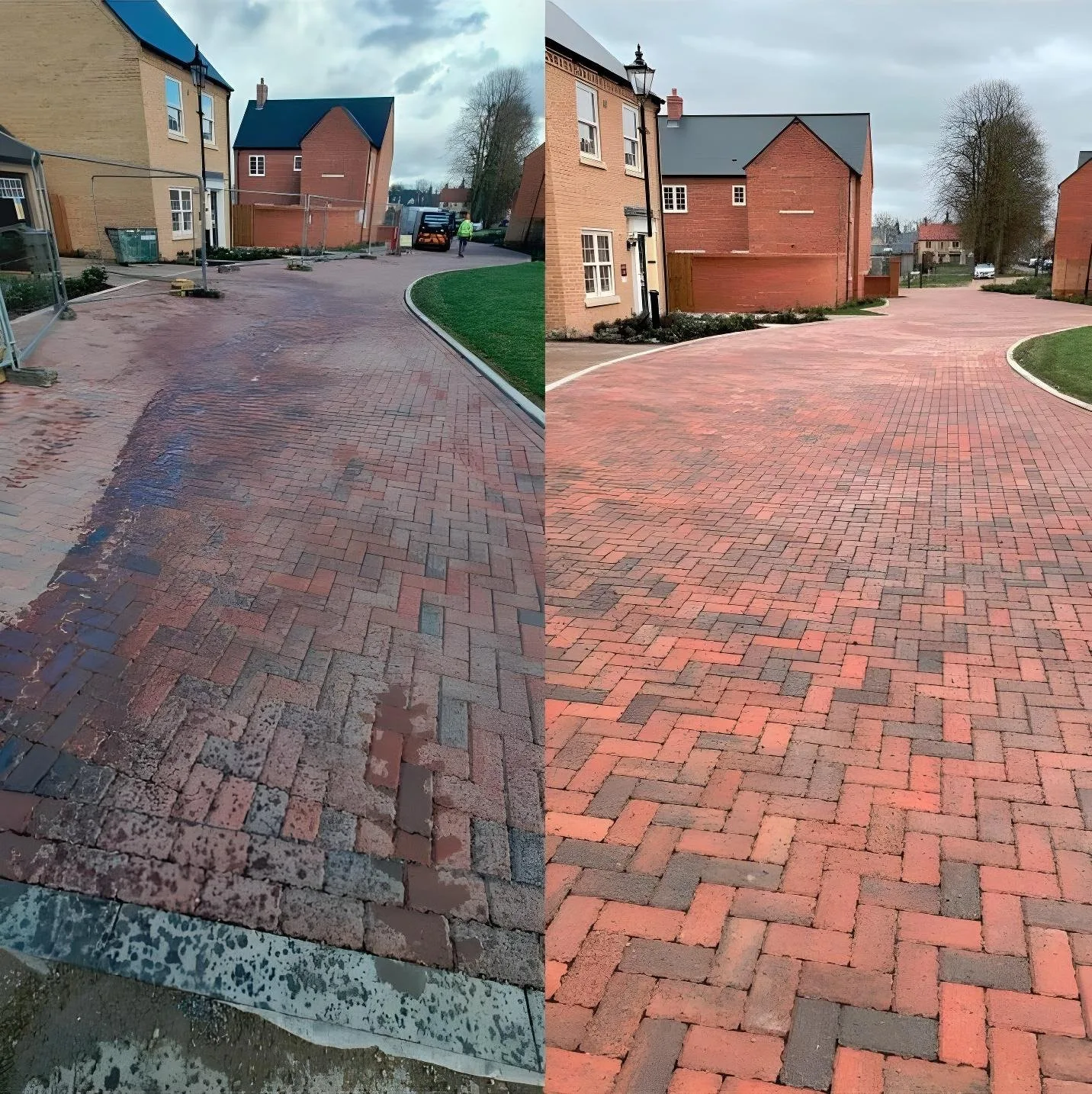
Accumulated food waste, organic debris, and standing water in unclean outdoor areas attract pests including rats, mice, pigeons, and insects. Pest infestations in schools pose disease transmission risks, cause property damage, and create significant disruption when pest control measures are required.
Chemical Exposure
Improper handling of cleaning chemicals creates hazards for both cleaning staff and building occupants. When untrained personnel attempt to clean stubborn stains using inappropriate products, chemical residues can linger on surfaces where children play and sit.
Mental Health Impact
Unclean and cluttered environments favour feelings of stress, anxiety, and discomfort among occupants. Research consistently shows that clean, well-maintained learning environments contribute to better concentration, behaviour, and overall wellbeing among students and staff.
Why Traditional Cleaning Methods Fall Short
Manual cleaning with mops, brushes, and buckets has its place, but for the scale and intensity of school exterior cleaning, traditional methods simply cannot keep up. Here's why.
Less Cleaning Power
Manual methods cannot effectively remove stubborn stains, deeply embedded dirt, and biological growth. Scrubbing by hand removes surface-level contamination but leaves the roots of algae and moss intact, meaning regrowth begins within weeks.
Increased Labour Effort
Traditional methods require intense effort and a lot of time. Cleaning a school playground by hand could take several people multiple days, whereas professional pressure washing achieves better results in a fraction of the time.
Surface Limitations
Textured surfaces such as tarmac, exposed aggregate, and anti-slip paving cannot be properly cleaned with traditional methods alone. Dirt becomes trapped in the surface texture and resists manual scrubbing. Pressure washing reaches into every pore and groove.
Time Constraints
Traditional cleaning methods are time-consuming, especially for large-scale facilities. With limited cleaning windows available during term time, schools need methods that deliver results quickly and efficiently.
Inefficiency in Cleaning Various Surfaces
Different surfaces require different approaches. A single cleaning team using manual methods would need multiple sets of tools and products to tackle all the surfaces found across a typical school site, adding complexity, cost, and time.
Limited Efficiency in Preventing Recurrence
Traditional methods don't provide long-term solutions. Without removing biological growth at the root, algae, moss, and lichen return quickly. Professional pressure washing combined with biocidal treatments kills growth at the source and slows regrowth significantly.
- Manual scrubbing of a 200m² playground takes approximately 8-12 hours of labour. Professional pressure washing covers the same area in 2-3 hours with superior results.
- Algae regrowth after manual cleaning typically appears within 4-6 weeks. After professional pressure washing with biocide treatment, surfaces stay clean for 6-12 months.
Health and Safety Issues
Traditional cleaning methods pose health and safety risks to cleaners and occupants. Chemical splashes, repetitive strain injuries from scrubbing, and slips on wet surfaces are common. Professional teams carry the correct equipment, training, and insurance to manage these risks properly.
Need Your School's Exterior Cleaned?
We pressure wash schools, colleges, and educational facilities across Northamptonshire and surrounding areas. Playgrounds, pathways, car parks, building facades, sports courts - we handle it all. Flexible scheduling around term times, eco-friendly methods, and full insurance. Call 07307 358765 or request a free quote online.
Get a Free QuoteBenefits of Pressure Washing for School and Educational Environments
Professional pressure washing addresses every challenge that traditional methods struggle with. Here's what it delivers for schools.
Improves Cleanliness and Hygiene
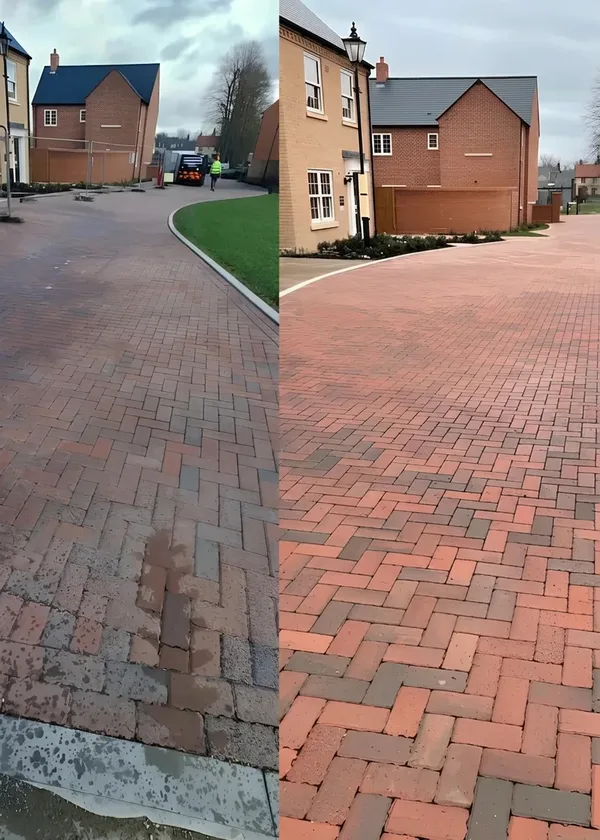
Pressure washing provides deep and efficient cleaning to remove dirt, mould, grime, mildew, and other contaminants from every type of exterior surface. The high-pressure water penetrates surface textures and removes biological growth at the root, leaving surfaces genuinely clean rather than superficially wiped.
Enhances the Appearance
A clean and properly maintained school makes a positive first impression and enhances the campus's curb appeal. First impressions matter - prospective parents, Ofsted inspectors, and visitors form opinions about a school within seconds of arriving. Clean exterior surfaces signal that the school takes pride in its environment.
Improves Safety
Pressure washing eliminates slippery algae, moss, and organic deposits from walkways, steps, and playground surfaces. This directly reduces the risk of slips and falls, which are among the most common accident types in schools. Clean, grip-restored surfaces are safer for children running, playing, and moving between buildings.
Prevents Pest Infestation
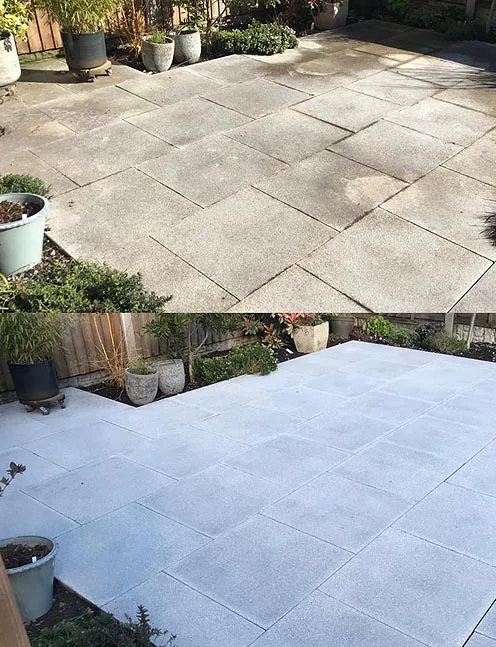
Regular pressure washing removes food residues, organic debris, and nesting materials that attract pests. Keeping outdoor areas clean discourages rats, pigeons, and insects from establishing themselves on school grounds.
Maintains Structural Integrity
Pressure washing removes pollutants, corrosive substances, and contaminants that gradually degrade building materials. Algae and moss retain moisture against surfaces, accelerating weathering and decay. Regular cleaning extends the lifespan of pathways, walls, and exterior fixtures, reducing long-term repair and replacement costs.
Promotes a Healthy Environment
Professional pressure washing is an eco-friendly cleaning method that reduces the need for harsh chemicals. Biodegradable detergents and controlled water usage make it a responsible choice for school environments where sustainability matters.
Compliance with Health and Safety Regulations
Pressure washing helps schools meet regulatory requirements for maintaining safe premises. A documented cleaning schedule demonstrates due diligence in property maintenance, which is important during inspections and for insurance purposes.
Positive Effect on Learning and Productivity
A clean and properly maintained educational environment offers a positive atmosphere for teaching and learning. Students and staff perform better in spaces that feel cared for. Clean outdoor areas also encourage more use of outdoor learning spaces, sports facilities, and break areas.
How Professionals Execute Pressure Washing in Educational Facilities
Professional pressure washing in schools follows a structured process designed to deliver thorough results while maintaining safety at all times.
Step 1: Safety Measures
Professionals wear full PPE including non-slip footwear, eye protection, ear defenders, and high-visibility clothing. Safety barriers and warning signs are placed around the work area. Students and staff are kept at a safe distance throughout the cleaning process. The team conducts a risk assessment before any work begins.
Step 2: Examine the Cleaning Needs
The cleaners assess the areas requiring cleaning and detect specific cleaning requirements. Every surface is inspected for type, condition, and contamination level. Cracks, loose paving, damaged surfaces, and drainage issues are noted before cleaning starts to avoid aggravating existing problems.
Step 3: Prepare the Work Area
The team clears obstacles, covers or moves sensitive items such as outdoor furniture and equipment, and protects surrounding surfaces including windows, plants, and drainage systems. Loose debris is swept or blown clear before water is applied.
Step 4: Pre-treatment and Precautions
Cleaning solutions are applied to loosen dirt, kill algae, and break down organic growth before pressure washing begins. Biocidal pre-treatments are given adequate dwell time to work effectively. For commercial and institutional settings, professional-grade products are used that are approved for public spaces.
Step 5: Correct Technique, Pressure Settings, and Nozzles
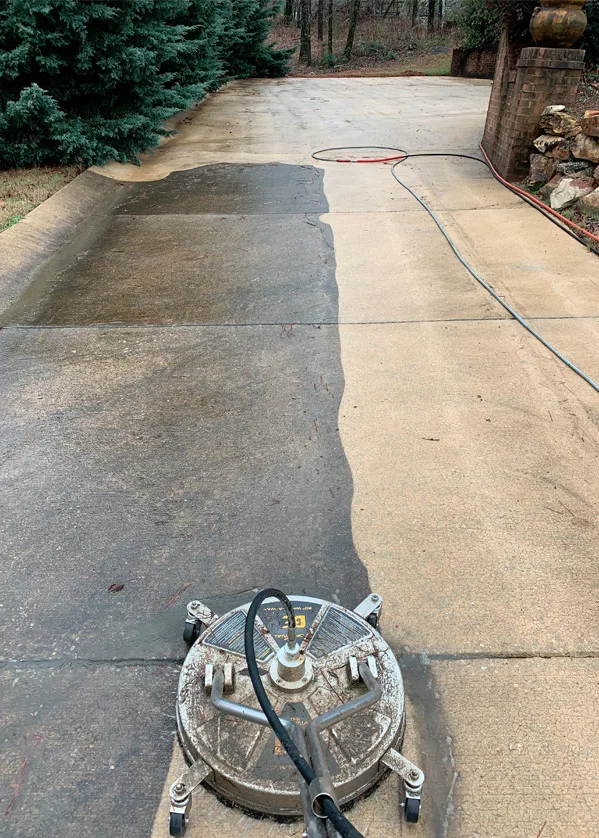
The workers use the proper pressure setting and nozzle attachment for each surface. Tarmac and concrete can handle higher pressures (up to 3,000 PSI), while softer surfaces like painted render or decorative stone require low-pressure soft washing. Rotary surface cleaners are used for large flat areas like playgrounds and car parks, delivering consistent, streak-free results.
Step 6: Post-Cleaning Inspection
After cleaning, the team inspects every treated surface to verify complete removal of contaminants. Drainage systems are checked and cleared. Any damage discovered during cleaning is reported. Waste water is managed responsibly, and all equipment is removed from site. The school receives a completion report documenting the work carried out.
- Professional pressure washing equipment operates at pressures between 1,500 and 4,000 PSI, compared to domestic machines that typically reach only 1,200-1,800 PSI. The higher pressure, combined with commercial-grade flow rates, is what makes professional cleaning so much more effective.
- Rotary surface cleaners cover up to 10 times the area per hour compared to a standard lance attachment, making them ideal for large school grounds.
Areas of a School That Benefit Most From Pressure Washing
Not every surface needs the same level of attention. Here are the areas where pressure washing makes the biggest difference in educational facilities.
| Area | Common Issues | Recommended Frequency |
|---|---|---|
| High-Priority Areas | ||
| Playgrounds and sports courts | Algae, moss, chewing gum, ground-in dirt | Every term or twice yearly |
| Main entrance and reception area | Mud, staining, first-impression impact | Twice yearly minimum |
| Pathways and walkways | Slippery algae, leaf staining, trip hazards | Twice yearly |
| Medium-Priority Areas | ||
| Car parks and drop-off zones | Oil stains, tyre marks, weed growth | Annually |
| Building facades and walls | Algae, pollution staining, graffiti | Annually |
| Canteen patio and outdoor eating areas | Food waste, grease, biological growth | Every term |
| Lower-Priority Areas | ||
| Perimeter fencing and gates | Algae, rust staining, moss | Annually |
| Bin storage areas | Grease, odour, biological contamination | Twice yearly |
| Roof and gutter cleaning | Moss, debris, blocked drainage | Annually |
Scheduling Pressure Washing Around the School Calendar
Timing matters when cleaning school premises. The best approach works around the academic calendar to minimise disruption while maximising results.
Summer Holidays (July-August)
The longest break offers the best opportunity for comprehensive cleaning. Full-site pressure washing, including building facades, all pathways, playgrounds, and car parks, can be completed without any disruption to students or staff. The warmer weather also helps surfaces dry quickly after cleaning.
Half-Terms and Easter
Shorter breaks are ideal for targeted cleaning of high-priority areas. Focus on playgrounds, main entrances, and pathways during these windows.
Term Time
When cleaning must happen during term time, professional teams work early mornings (before 7am), evenings (after 5pm), or weekends. Safety barriers, signage, and direct coordination with the school's facilities manager ensure zero disruption to the school day.
Professional Pressure Washing for Your School
We clean schools, colleges, nurseries, and educational facilities across Northamptonshire and surrounding areas. From playgrounds and pathways to building facades and car parks, our team delivers thorough, safe results with flexible scheduling around your academic calendar. £5M public liability insurance, IPAF and CSCS certified, eco-friendly methods. No upfront deposits - pay only when satisfied. Call 07307 358765 or request a free quote online.
Pressure Washing Services Commercial Cleaning