
Residential Render Cleaning in Northampton (2024-2025)
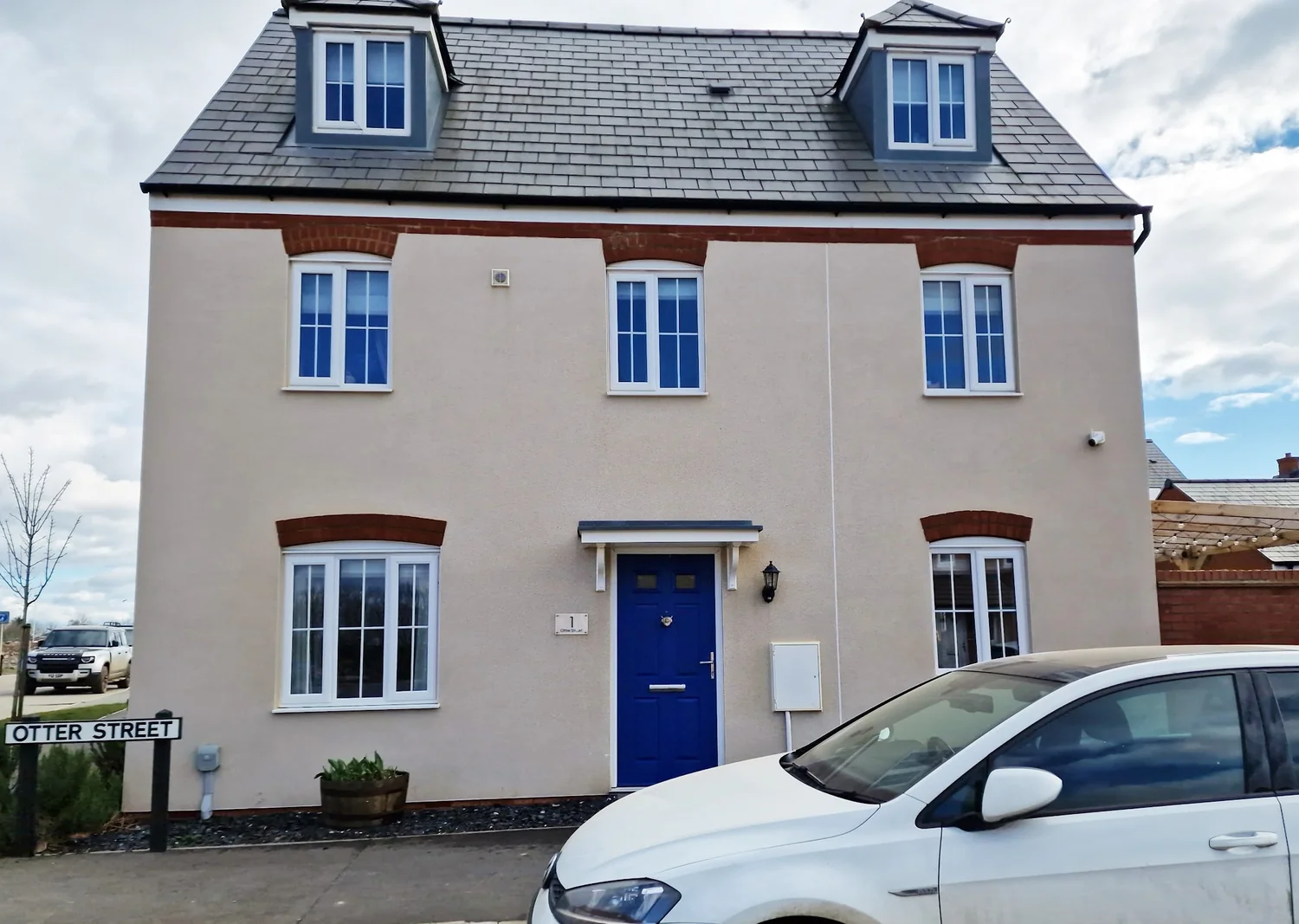
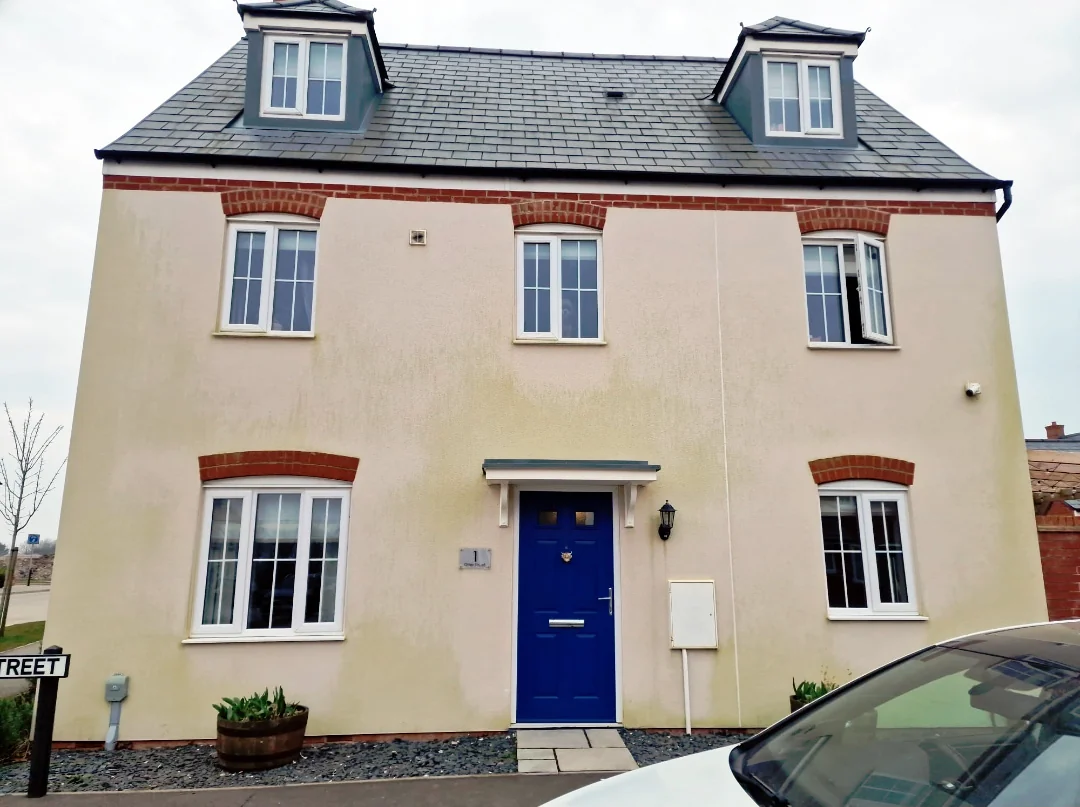
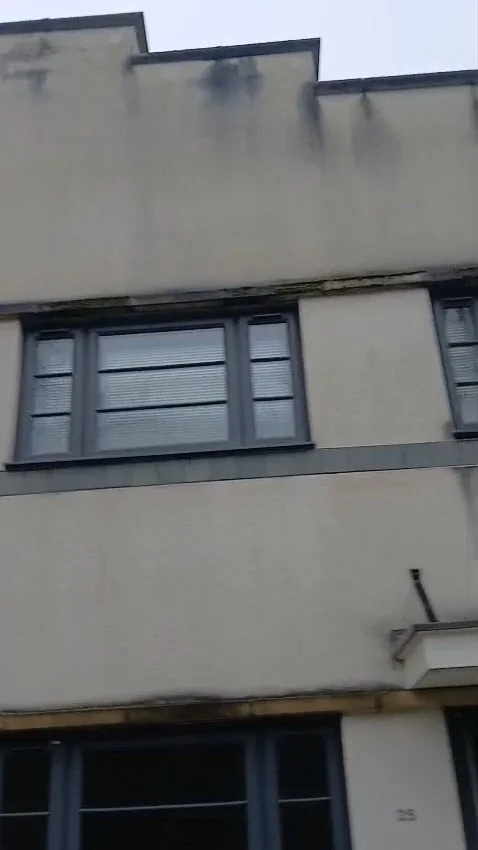
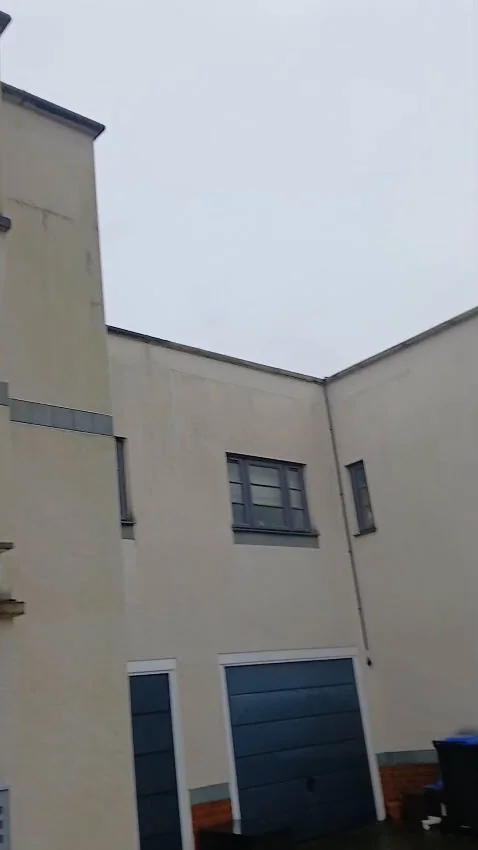
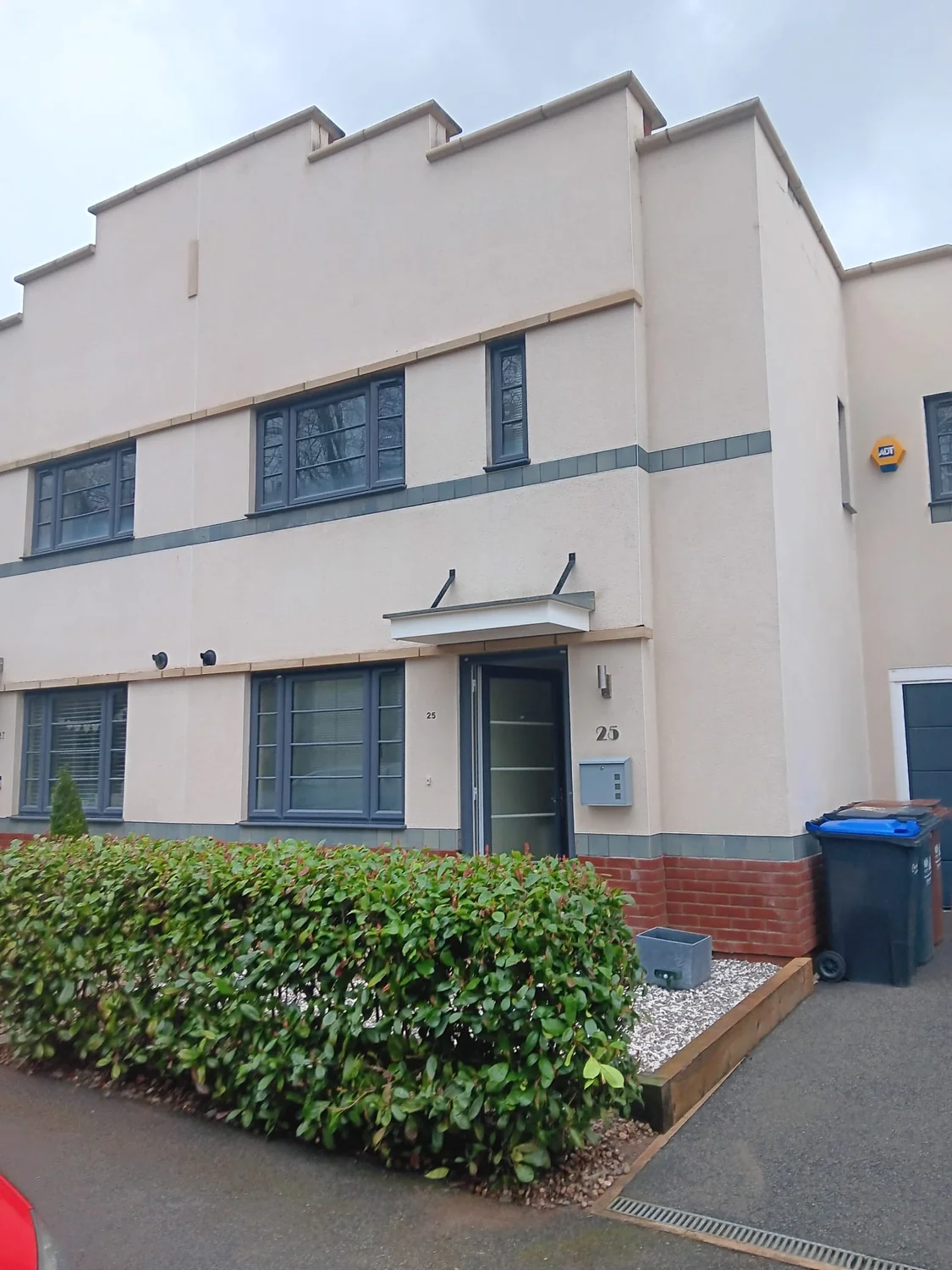
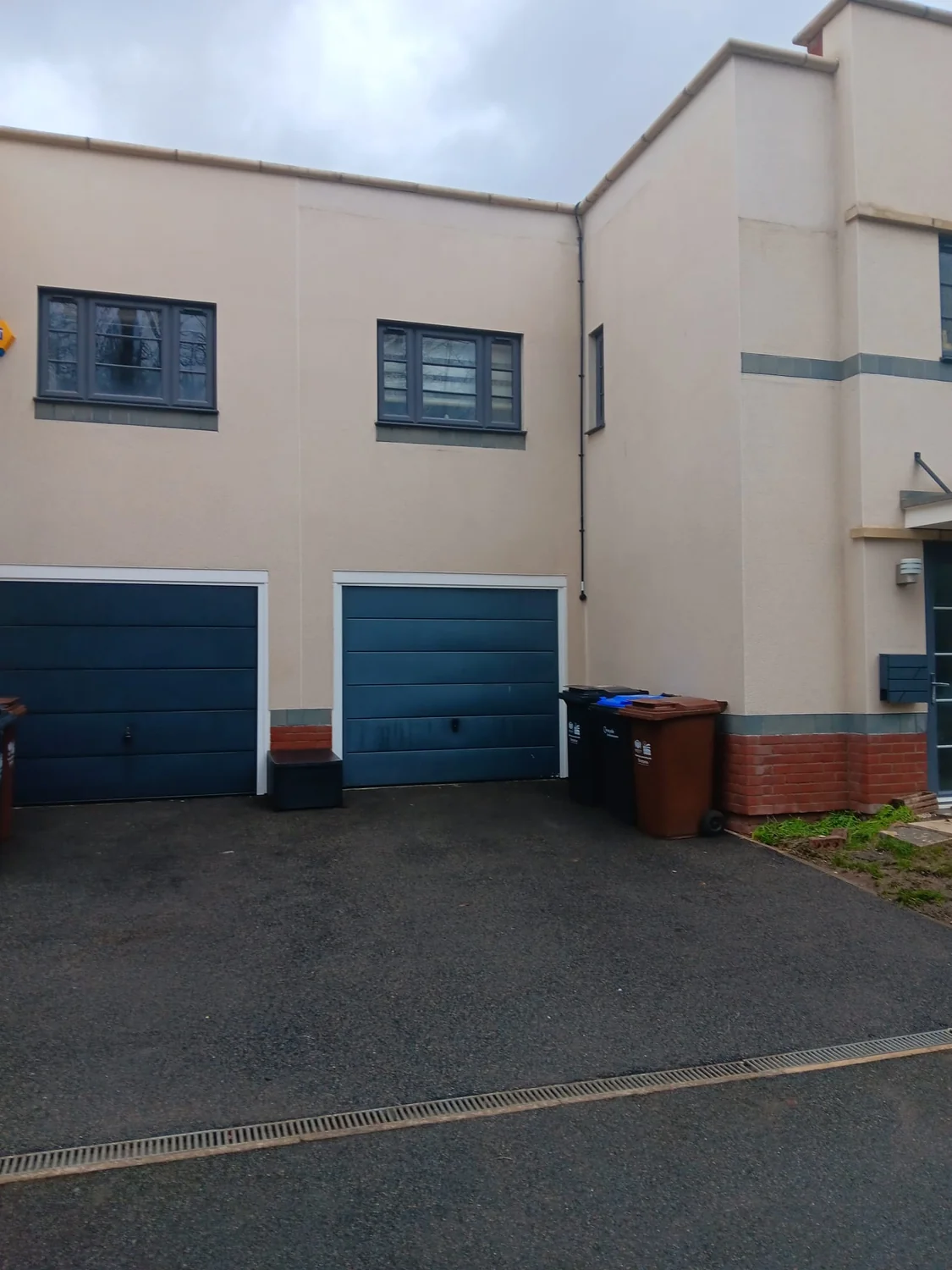
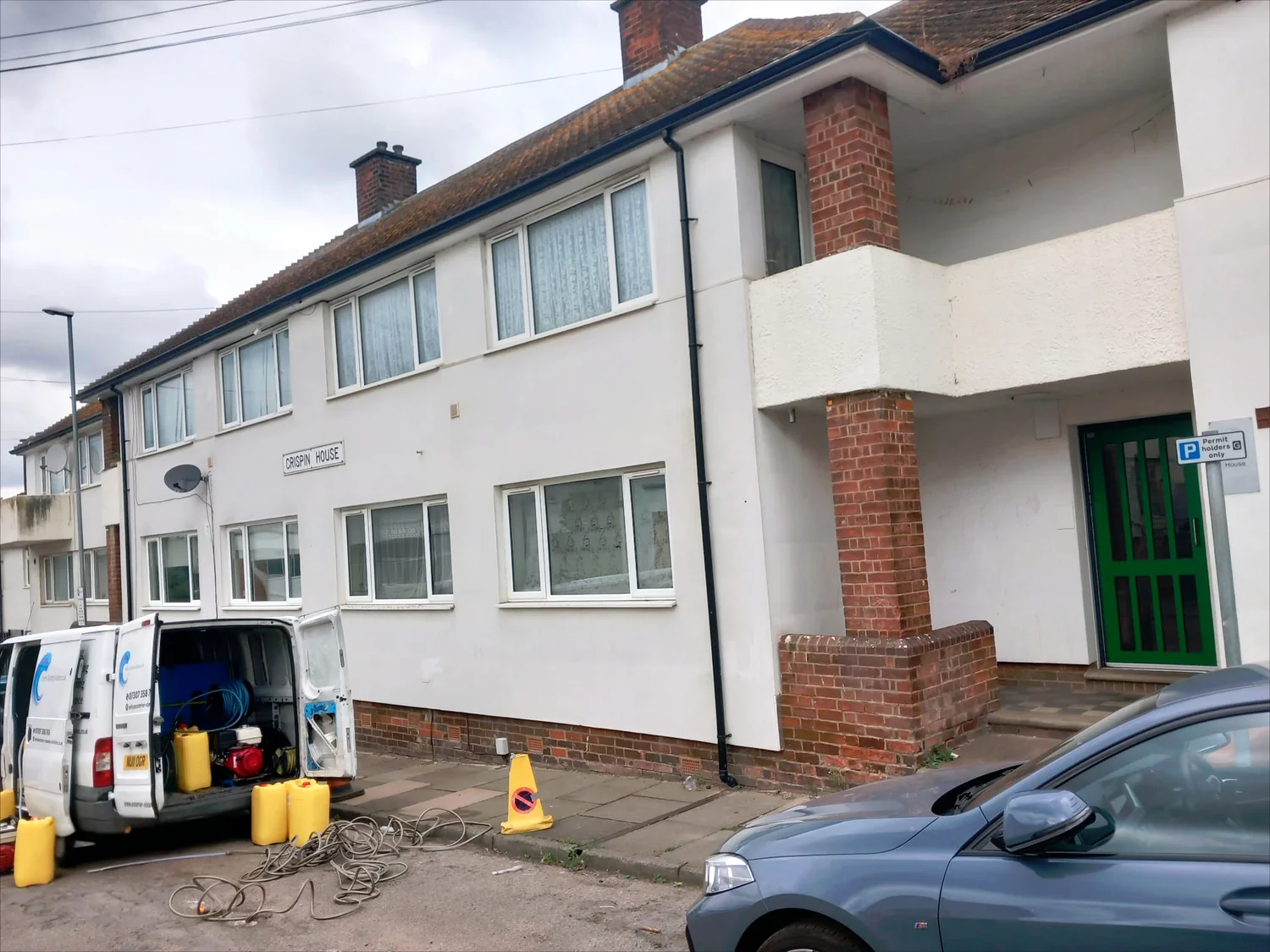
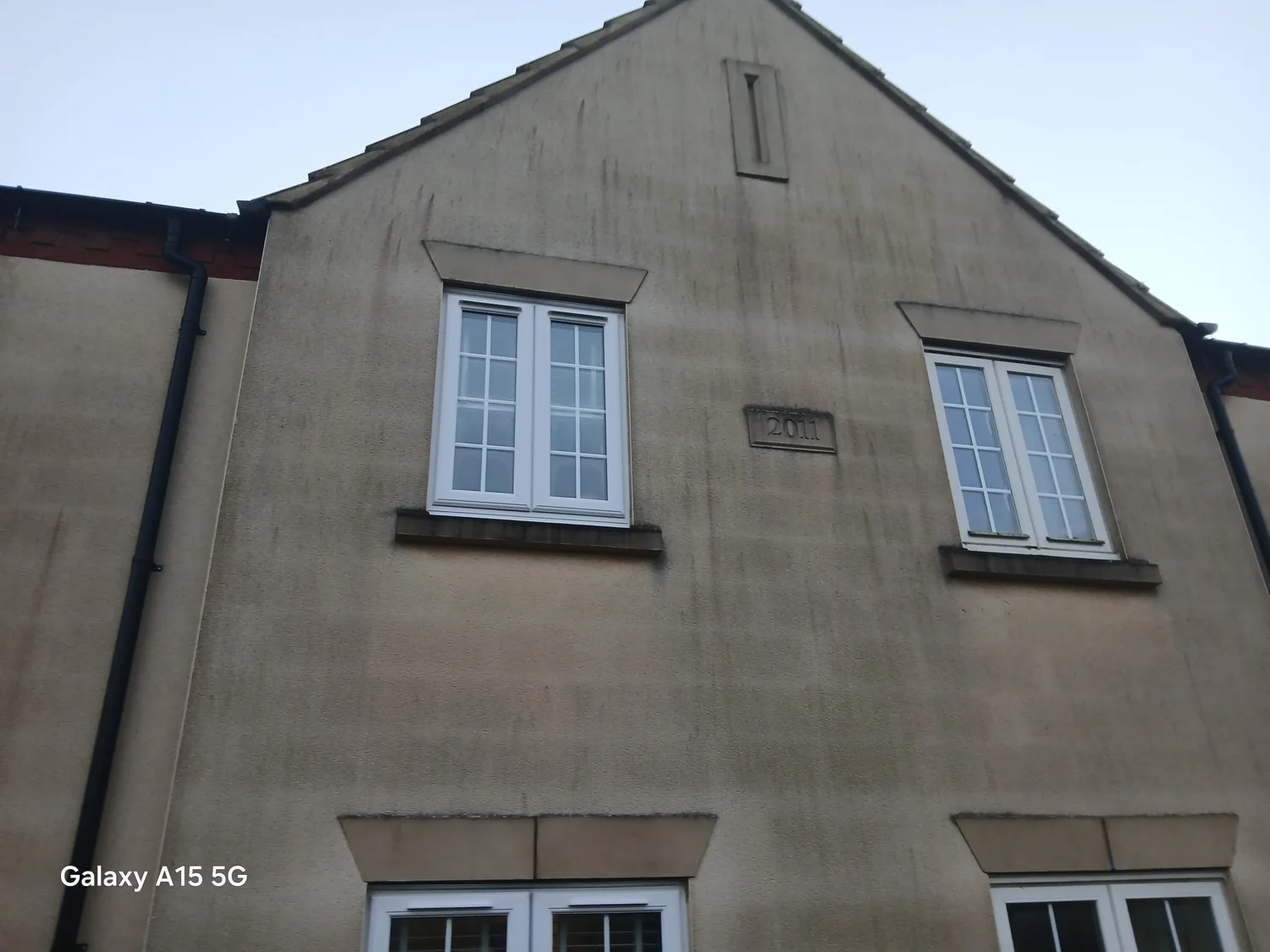
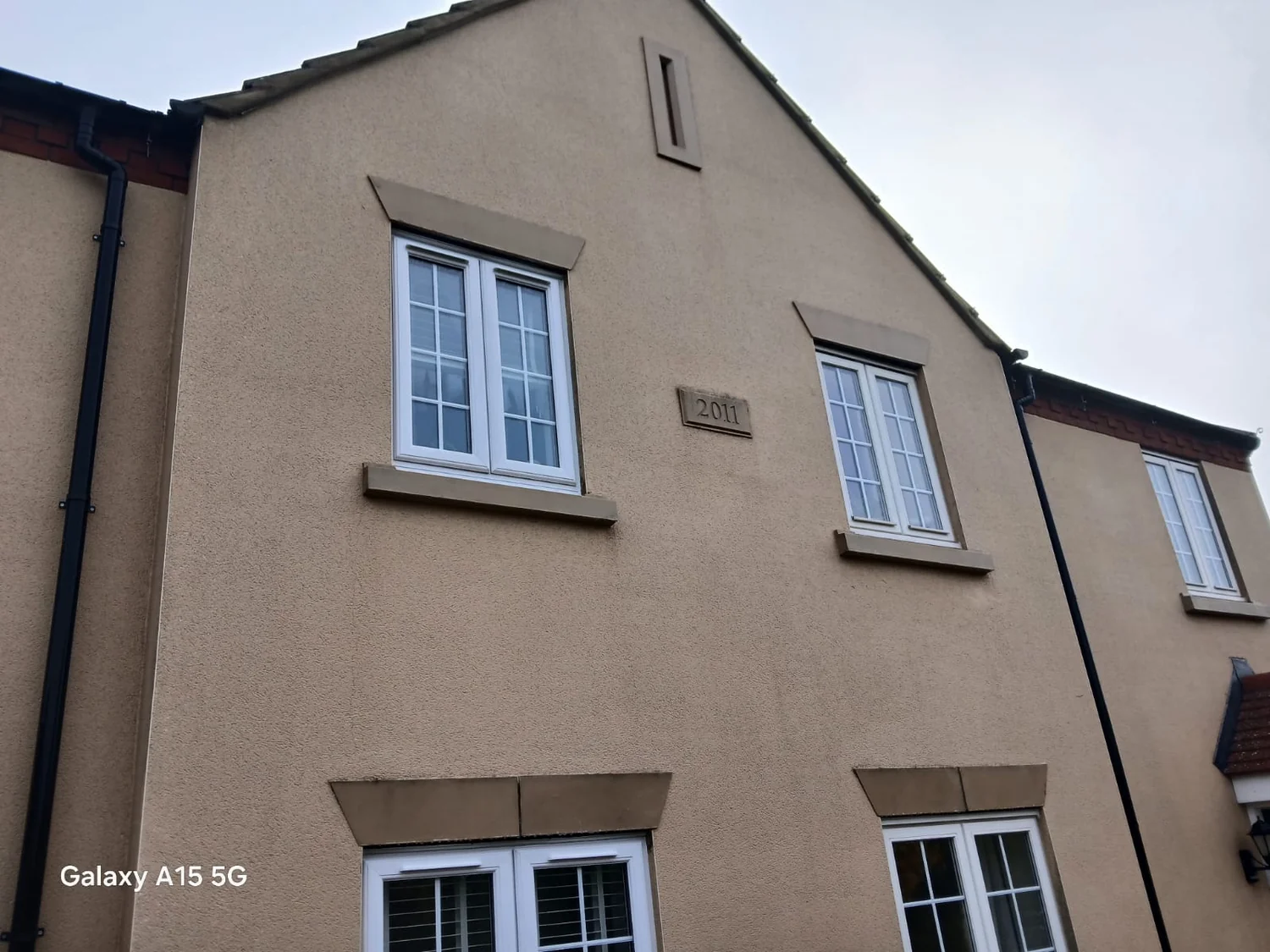
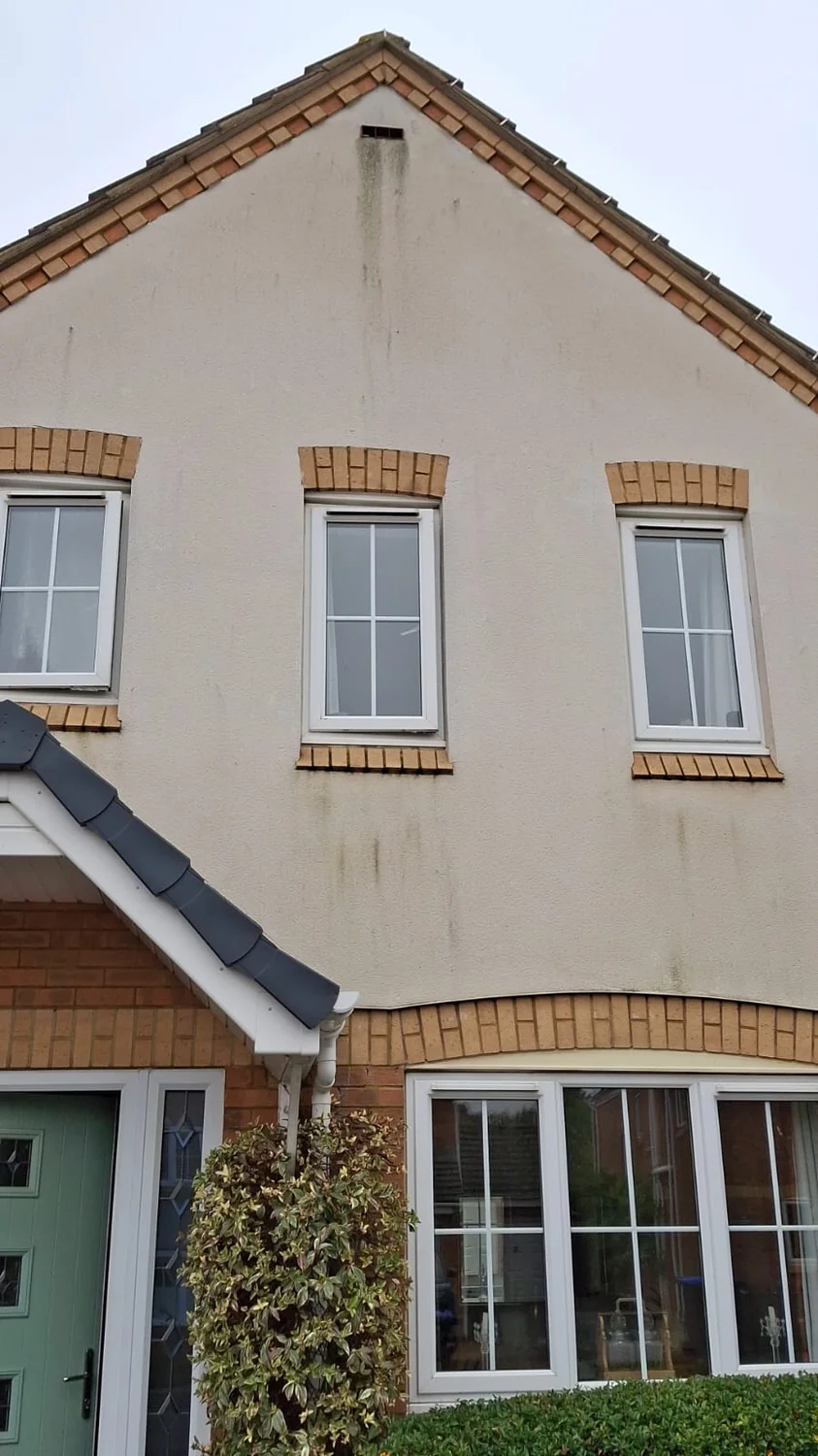
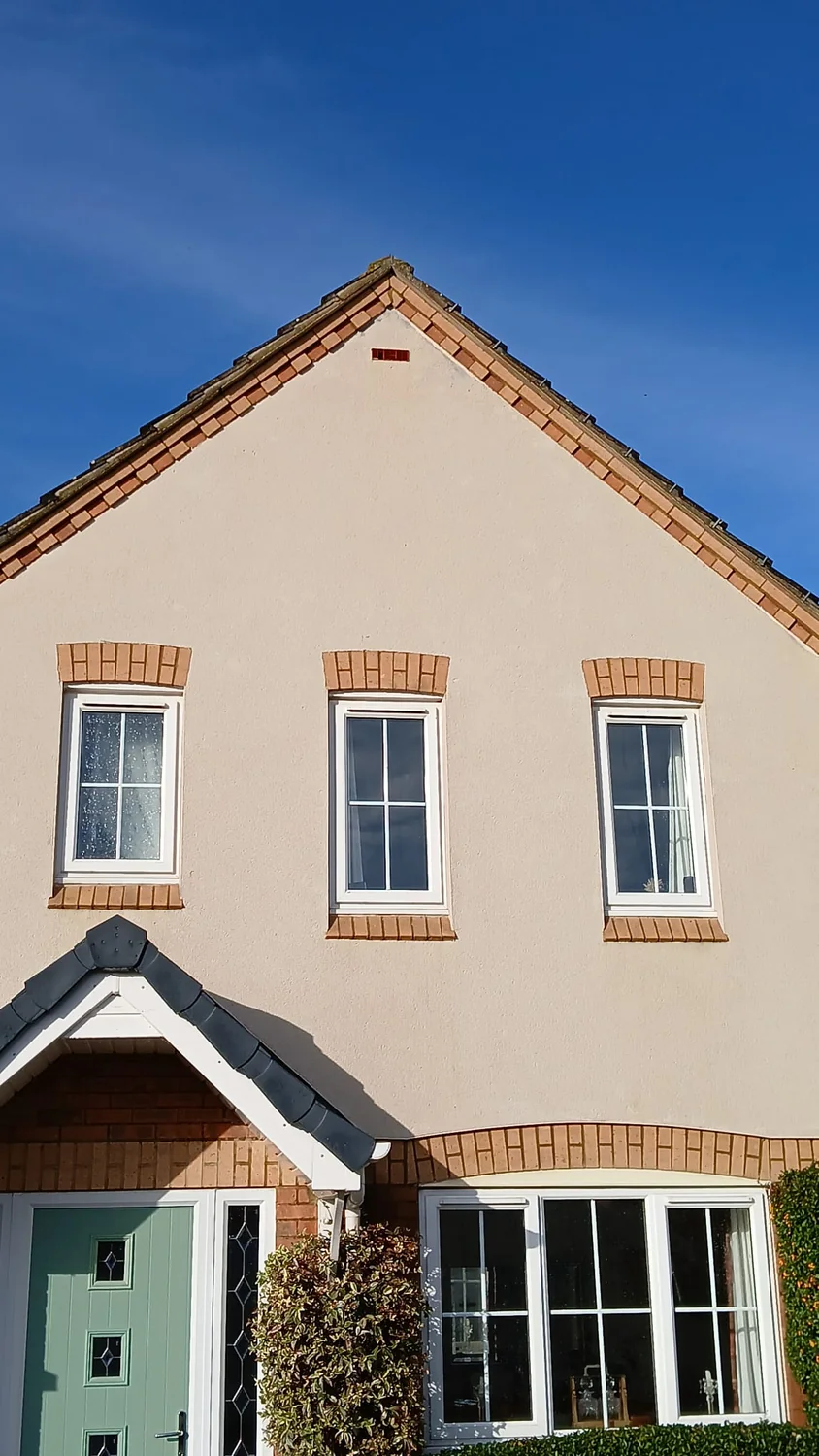
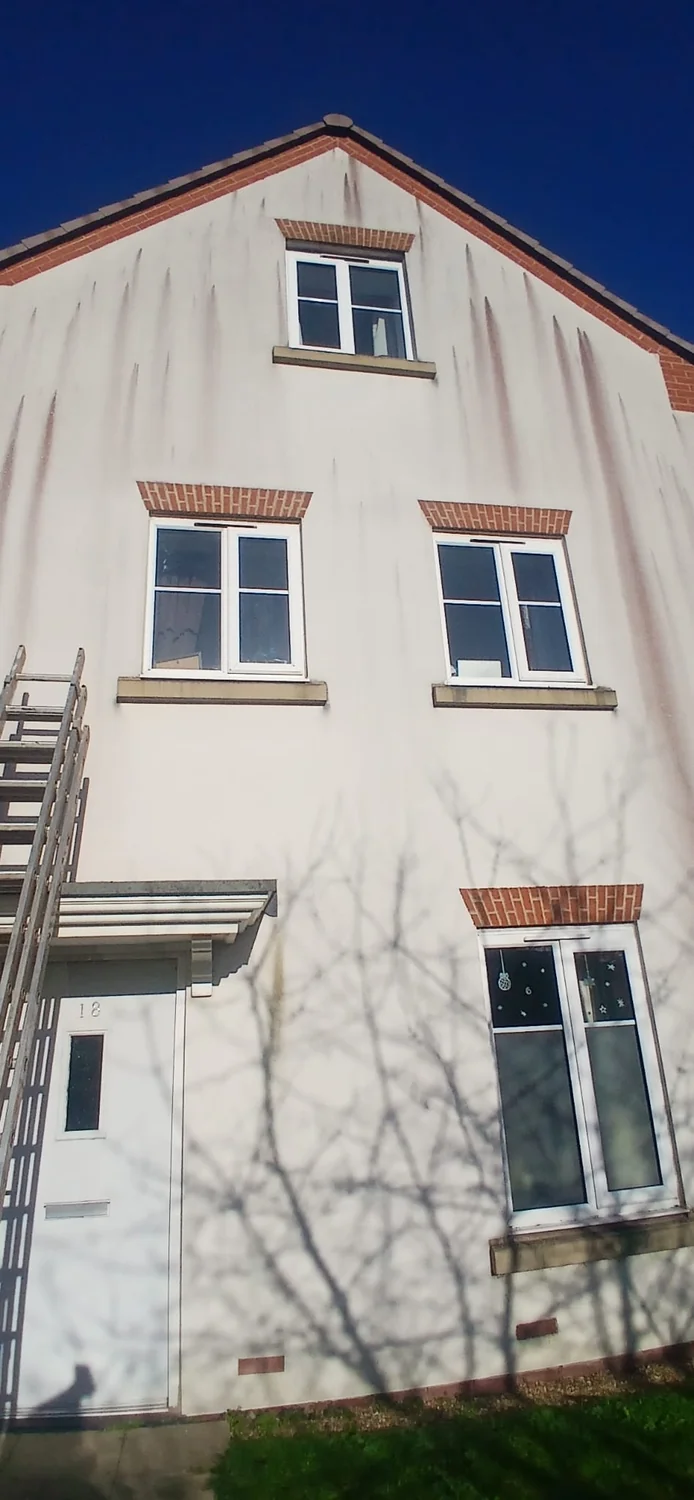
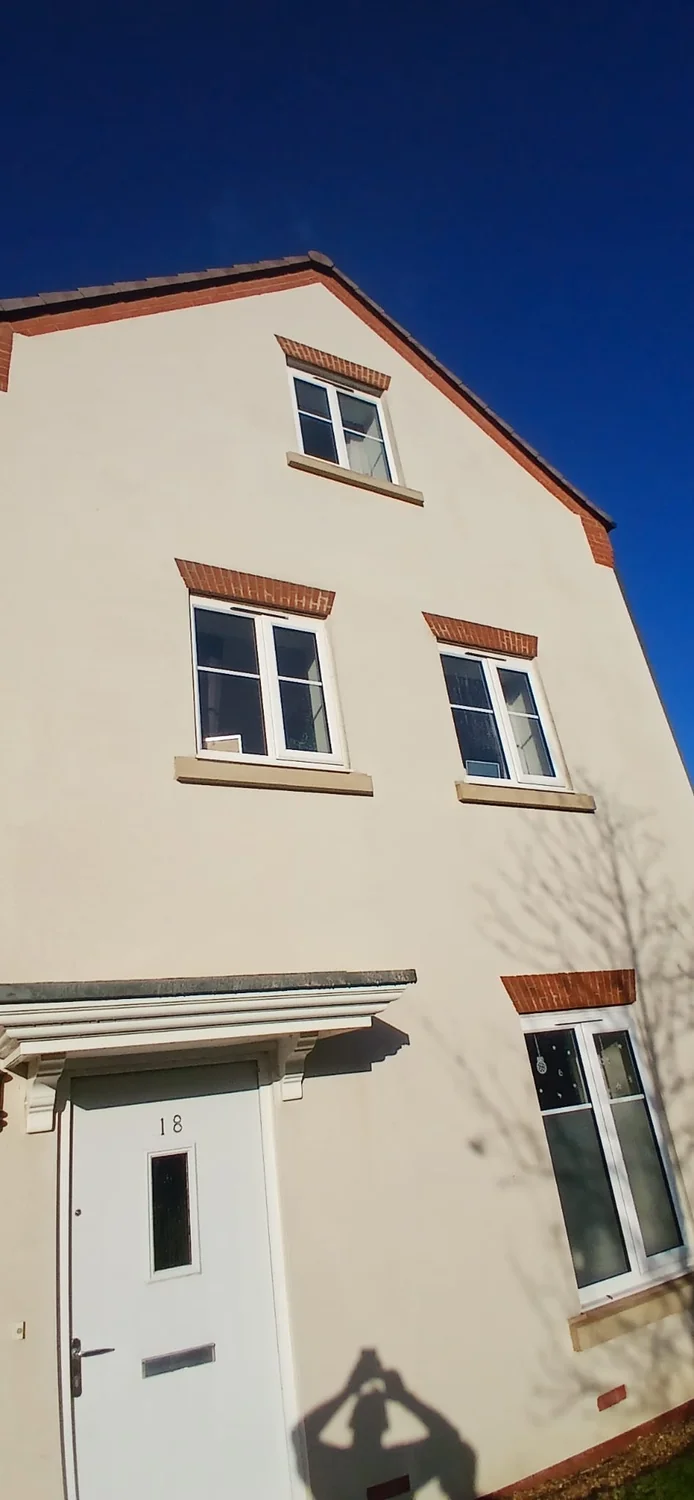
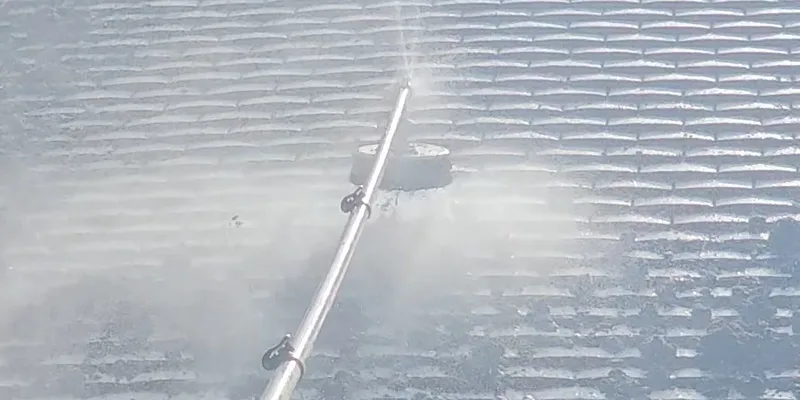
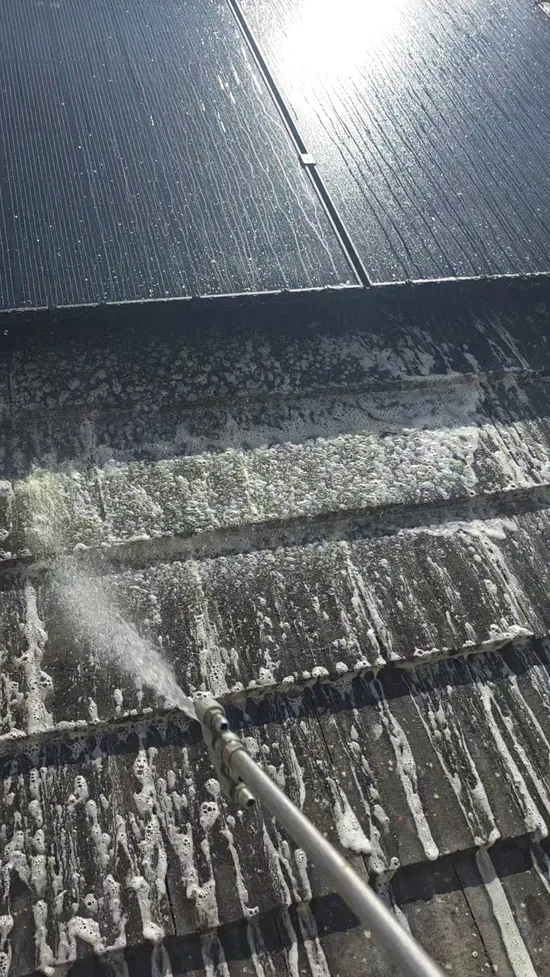
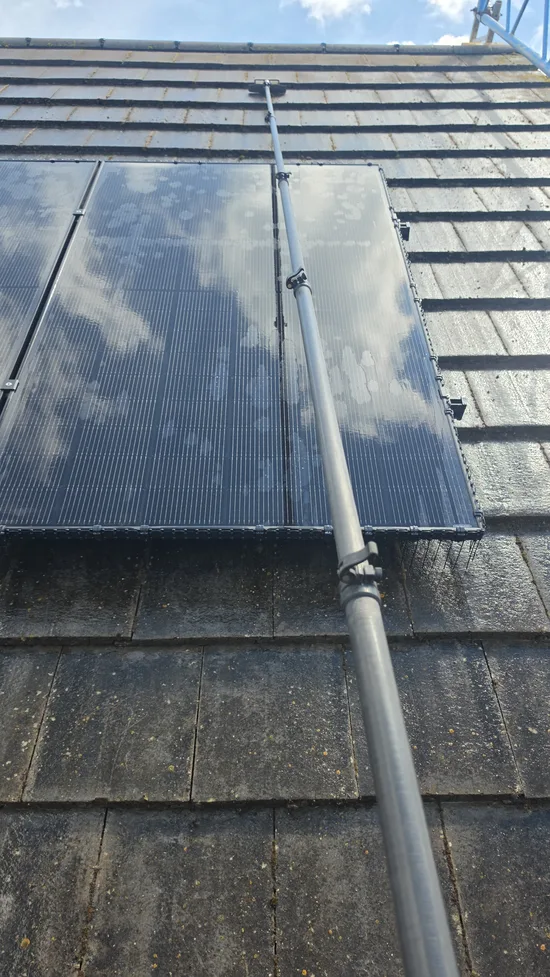
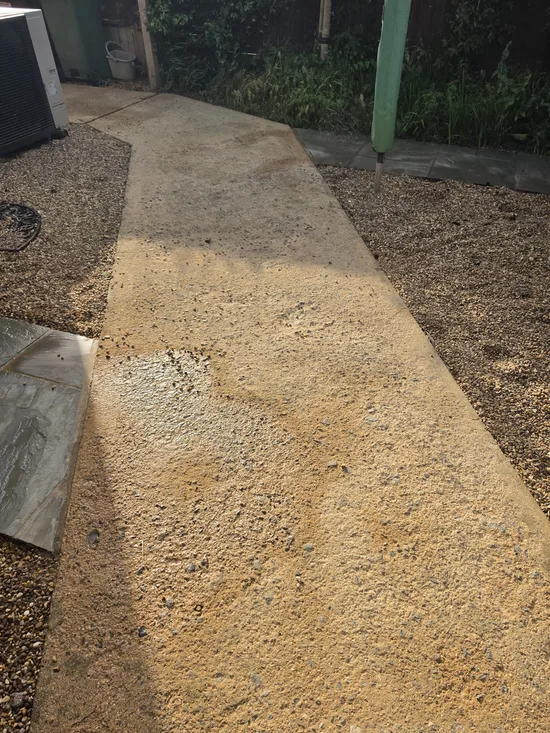
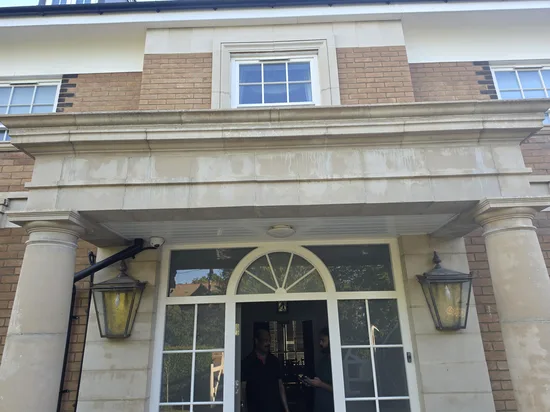
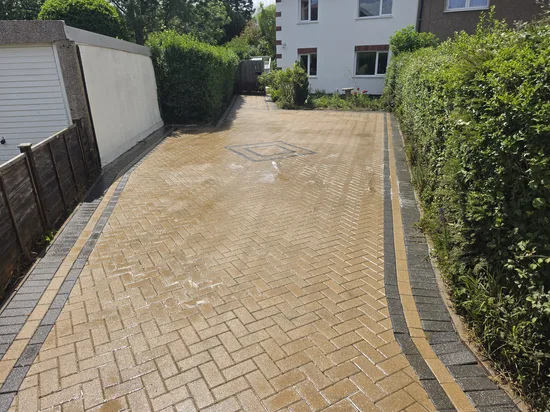
Throughout 2024 and 2025, we have completed many residential cleaning jobs around Northampton. Our work varied from full-house softwashes on modern K-Rend and silicone render to targeted treatment of difficult red and orange algae staining. Side note: the staining was built up over several years. Take a look at the images showing a cross-section of those jobs. You will also notice what kind of results we’ve got.
What we had to handle
Across these properties, the issues we’ve dealt with the most were:
- Green algae - it was the most frequent form of biological growth on rendered walls. On shaded elevations and north-facing surfaces - where moisture takes forever to dry - the situation was the most severe.
- Black biofilm (Gloeocapsa) - these dark patches and streaking build up over time. They’re, in fact, cyanobacterial growth, not general dirt, as some people often mistake them for.
- Red/orange algae (Trentepohlia) - it’s a tougher organism that penetrates deeper into textured render finishes. It’s not unusual to require more than one treatment to remove it.
The challenge
One of the things that the properties had in common was the uneven staining. It was concentrated on some elevations and lighter on others. Down the render, you could see streak patterns from runoff from the gutters and window sills. The discolouration was even more intense around windows and under rooflines. All in all, even the new-build homes had a patchy and uneven overall appearance. As if the jobs weren’t complex enough, we also had to handle red and orange staining of Trentepohlia. While a single softwash application is enough to remove green algae, it doesn’t work for Trentepohlia. This deeply sets into textured render and often requires a controlled bleach-based treatment and repeat applications for full removal.
Our strategy
Every job began with assessing the surface. Using only low-pressure application, we’ve cleaned rendered walls. We didn’t use high-pressure washing, because it typically pushes water behind the render or damages the finish. A single softwash cycle was enough for most properties. We’ve applied the cleaning solution at low pressure and built in enough dwell time. It’s necessary to break down the organic growth. We’ve concluded with a thorough rinse. When we had to deal with Trentepohlia, we applied a controlled sodium hypochlorite (NaOCl) solution at the correct dilution. We knew that a single pass wouldn’t have been enough. Transparency is one of our qualities. To avoid disappointment, we’ve informed the homeowners. It’s best to know what to expect. Working top to bottom, we’ve followed the treatment with a rinse at every elevation. We paid attention to junction lines, window surrounds, and areas near downpipes. Briefly put, wherever residual staining likes to stay. Upon request, we’ve applied a biocide treatment after cleaning. It inhibits the algae regrowth, so the render stays cleaner between washes.
Results
While the jobs varied, the results did not vary. Across the residential jobs, we’ve delivered render looking cleaner, brighter, and more uniform. The most notable differences were on elevations. They used to be green or black-stained, and we’ve managed to restore them to the original render colour. Streaking was gone from window sills and detail areas. All in all, where we’ve treated elevations, the houses presented a consistent finish all around. As for the properties with Trentepohlia, the results varied with severity. On some, we only needed one visit to get results, while some required a follow-up application. Either way, we’ve explained to homeowners what to expect before we start. Honesty works best.
Want Your Render Assessed?
If your render is showing green, black, or red staining, send us a few photos and your postcode - we'll advise on the best approach and provide a clear quote. Call 07307 358765 or request a quote online.
Get a Free QuoteRelated Services
Project Images
Get Your Free Quote
Fill in the form below and we'll get back to you within 24 hours.